

Miss Fortune, Bounty Hunter Deck Guide — Competitive Riftbound (2026)
Miss Fortune, Bounty Hunter secured second place at the Bologna Regional Qualifier piloted by SEBIQQQQQQQQQQQQ, proving that aggressive disruption strategies remain tournament-viable in the current Riftbound metagame. This deck leverages Miss Fortune's Ganking ability alongside hand disruption tools like Mindsplitter and Sabotage to strip opponents of key answers while applying consistent battlefield pressure. The core strategy revolves around early channelling with Mobilize and Catalyst of Aeons, mid-game disruption through Chaos-based spells, and closing games with efficient threats like Stacked Deck and Volibear, Imposing.
What makes this list particularly effective is its flexibility—you're not locked into a single game plan. Against control, you dismantle their hand. Against aggro, you deploy bodies and use Challenge to force favourable trades. The inclusion of three Dazzling Aurora provides late-game inevitability by recycling your deck and generating value through gear tokens. If you're looking to build this deck, you'll find most riftbound singles in Toronto at competitive prices, with stores like Anime Alley offering Canada-wide shipping for players across the country.
Miss Fortune, Bounty Hunter

How This Deck Works
This is a tempo-disruption hybrid that sits between midrange and control. You're not racing to kill opponents on turn three, but you're not sitting back with pure reactive answers either. The deck operates in three phases: ramp, disrupt, and close.
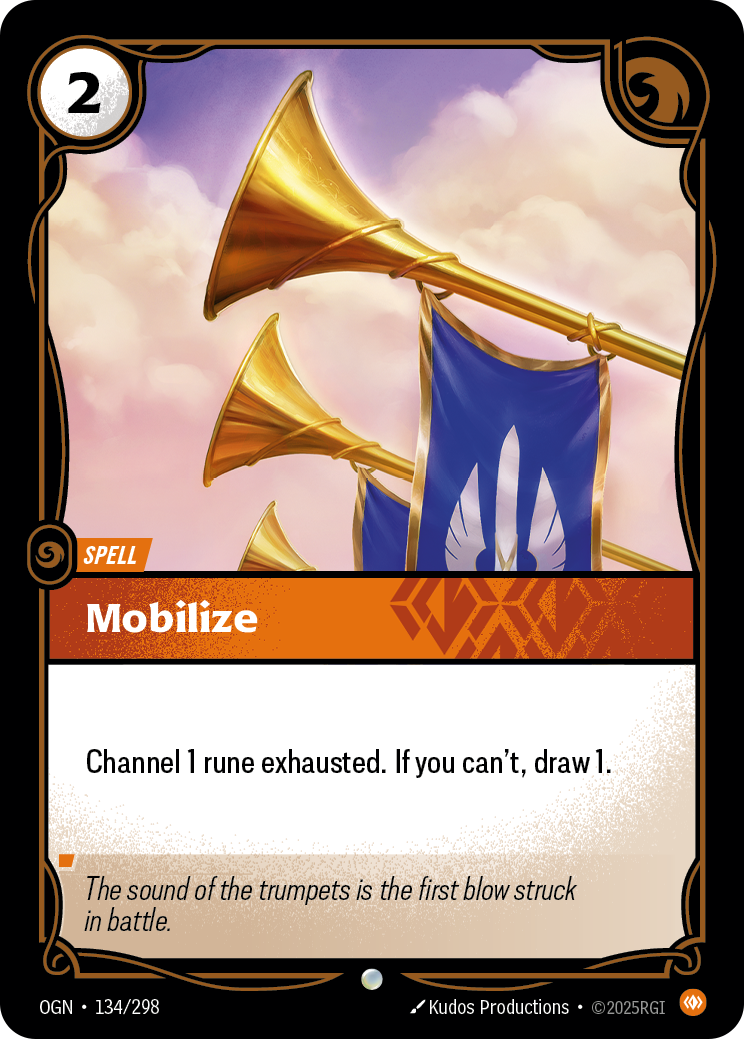
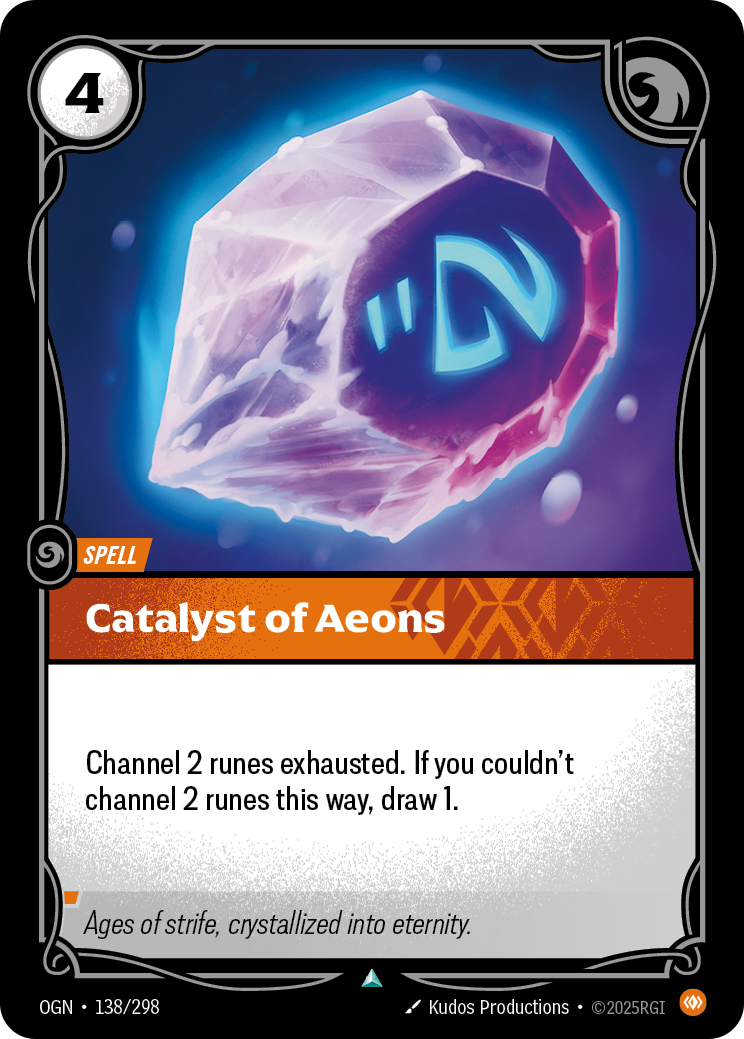
Phase One: Ramp (Turns 1-3) — Your opening turns prioritise channelling runes. Mobilize and Catalyst of Aeons are your best friends here. Mobilize channels one rune for two energy, which is efficient enough to justify the card investment. Catalyst of Aeons demands four energy but channels two runes, accelerating you into your five-drop threats like Stacked Deck and Miss Fortune, Captain. If you can't channel the full amount, both spells replace themselves with a draw, which prevents you from falling behind on cards.
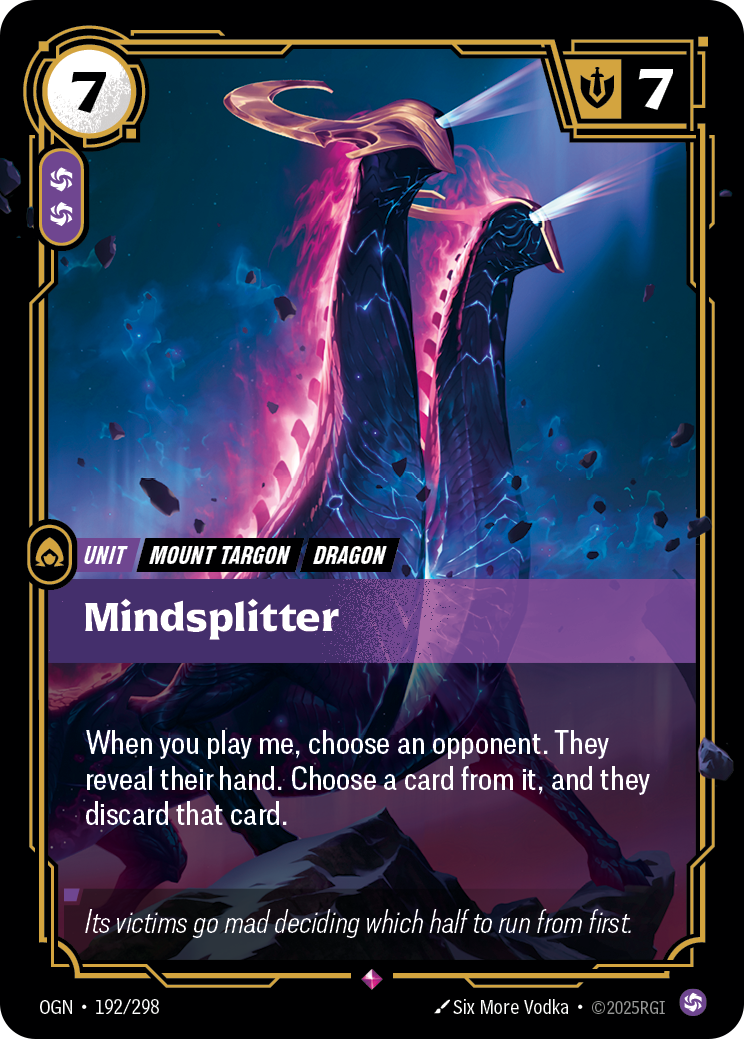
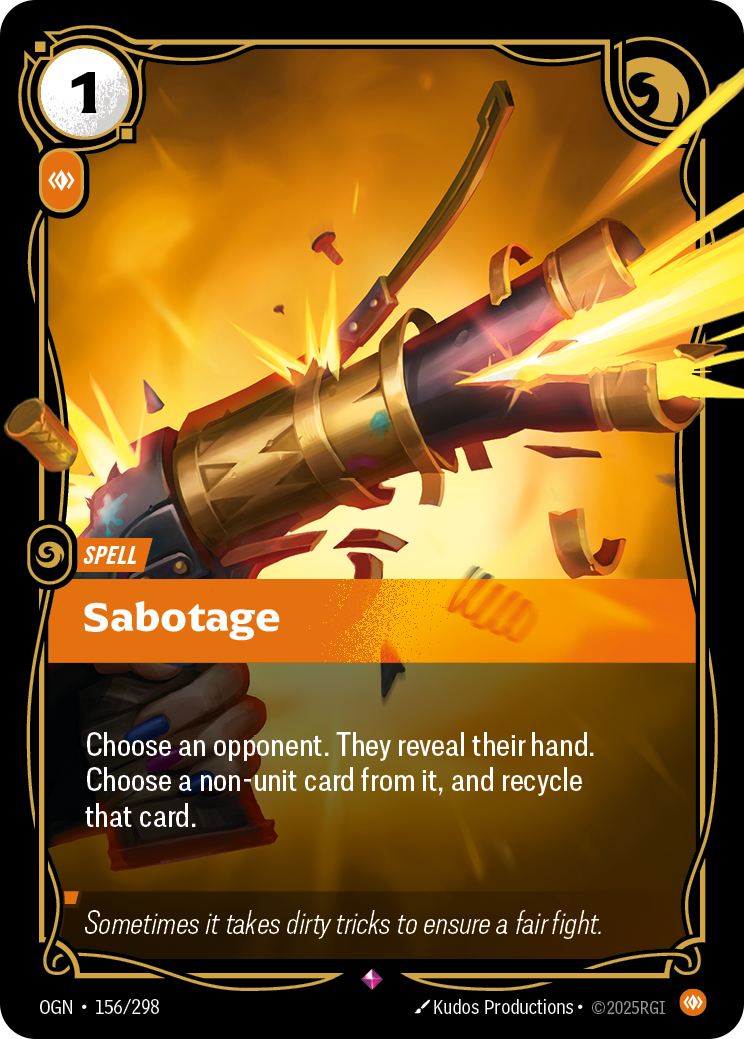
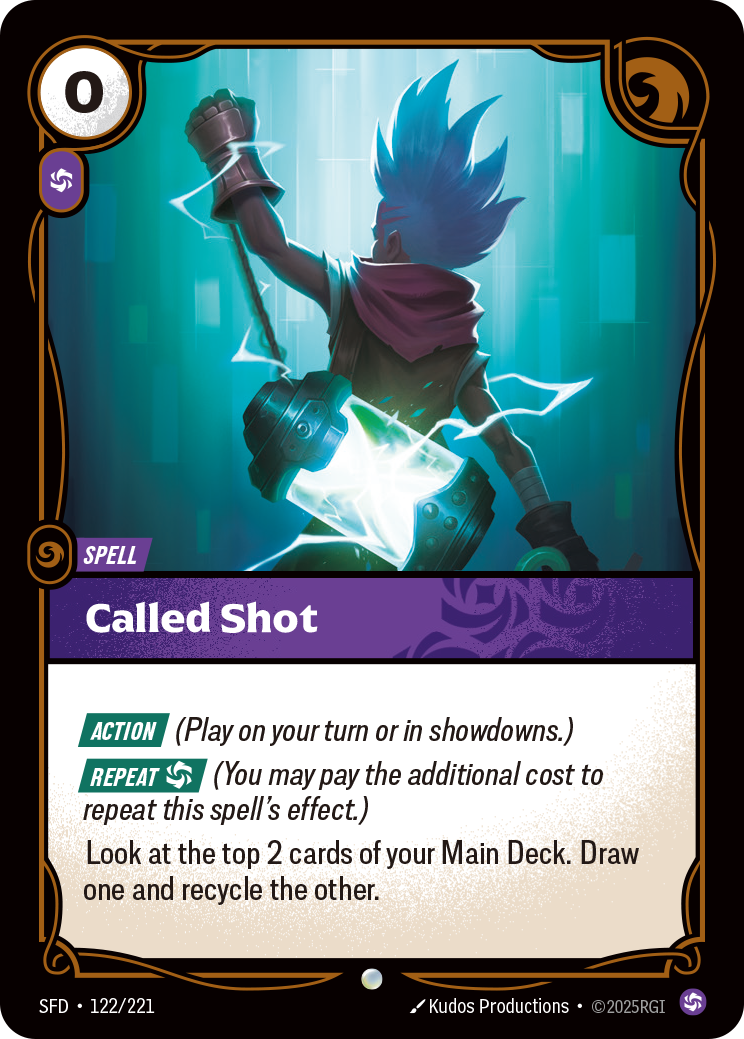
Phase Two: Disrupt (Turns 3-5) — Once you've established your rune base, you deploy threats while simultaneously attacking the opponent's hand. Mindsplitter is your premium disruptor—a 7/7 for seven energy that forces an opponent to reveal their hand and lets you exile a card. Against combo decks, you're taking their win condition. Against control, you're removing their best answer. Sabotage performs a similar role for one energy, though it can't hit units. The combination of these cards alongside Called Shot (which can be repeated with Chaos runes) creates a resource advantage that's difficult to overcome.
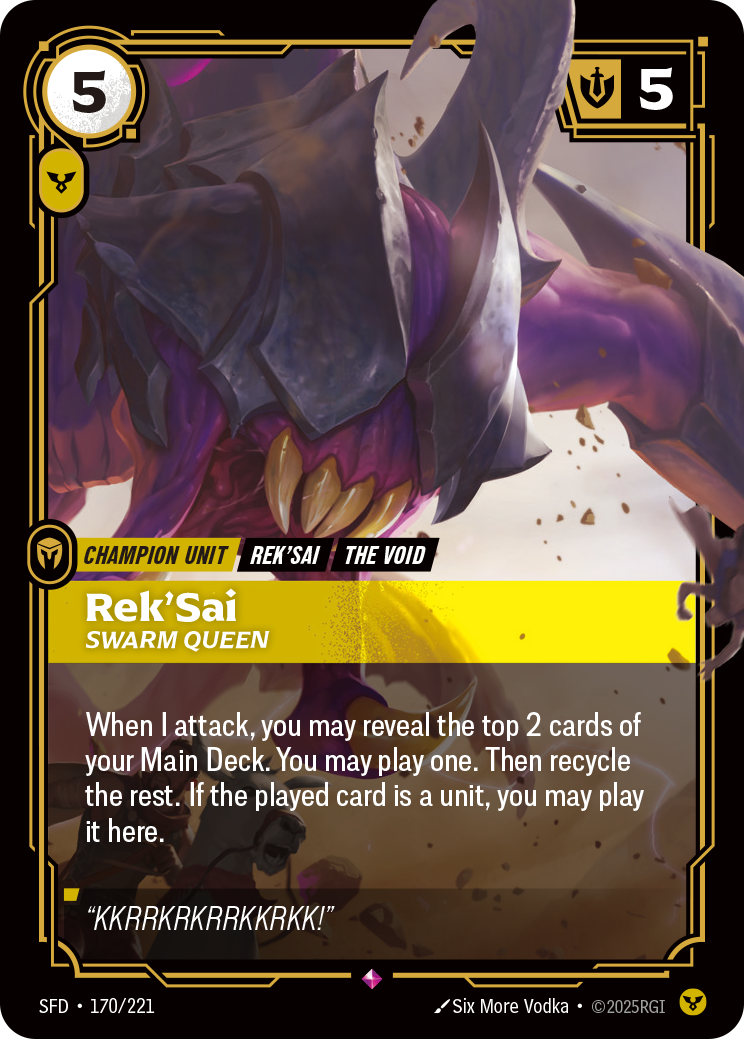
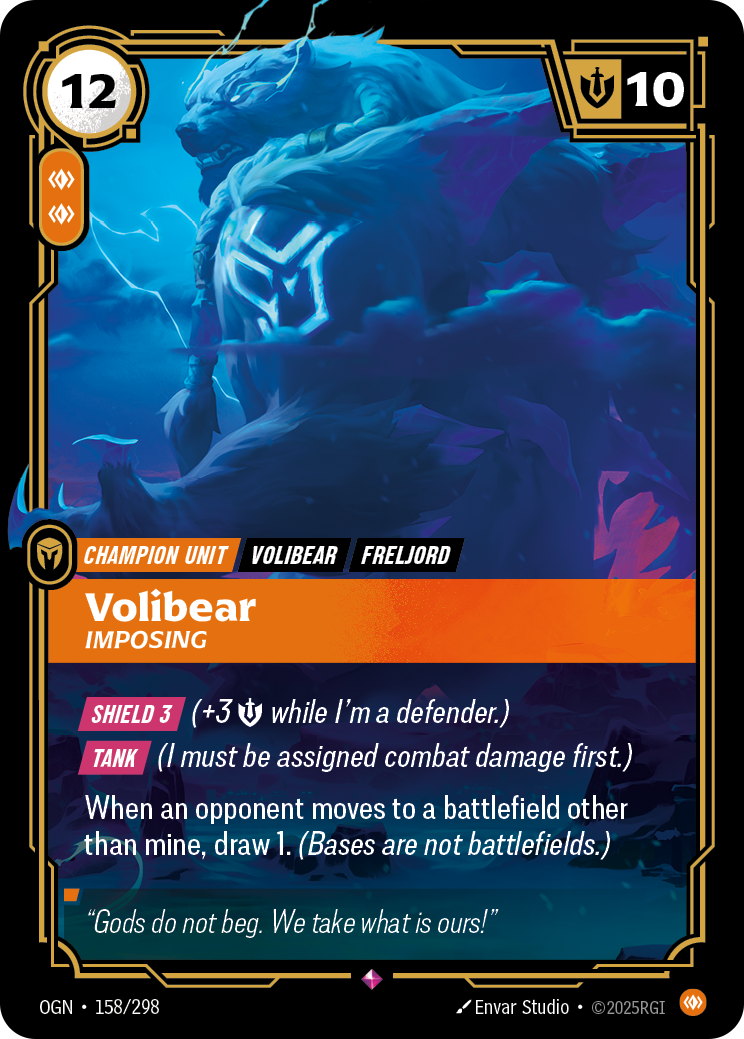
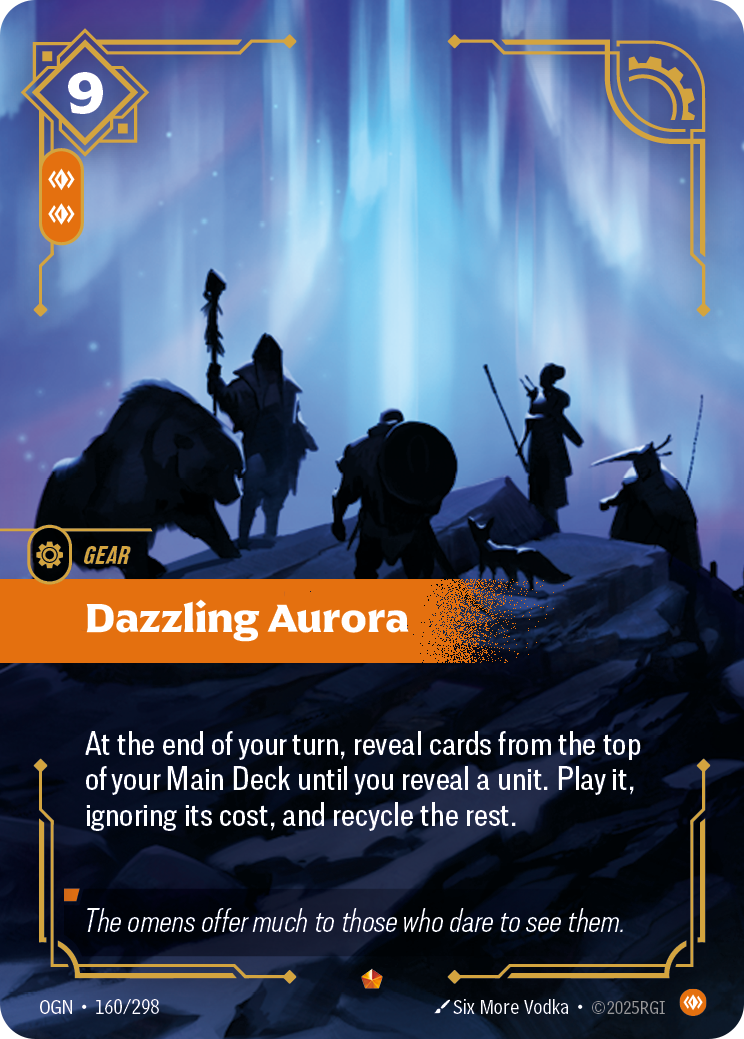
Phase Three: Close (Turns 5+) — Stacked Deck and Volibear, Imposing are your primary finishers. Stacked Deck is a 5/5 that reveals the top two cards of your deck on attack and lets you play one for free. This generates absurd tempo swings—you're attacking for five damage while potentially deploying another threat or disruption spell. Volibear comes down as a 10/10 with Shield 3 and Tank, forcing opponents to deal with a massive body that demands combat assignments. Dazzling Aurora provides inevitability by recycling your deck and revealing cards until you hit a gear, which you play exhausted.
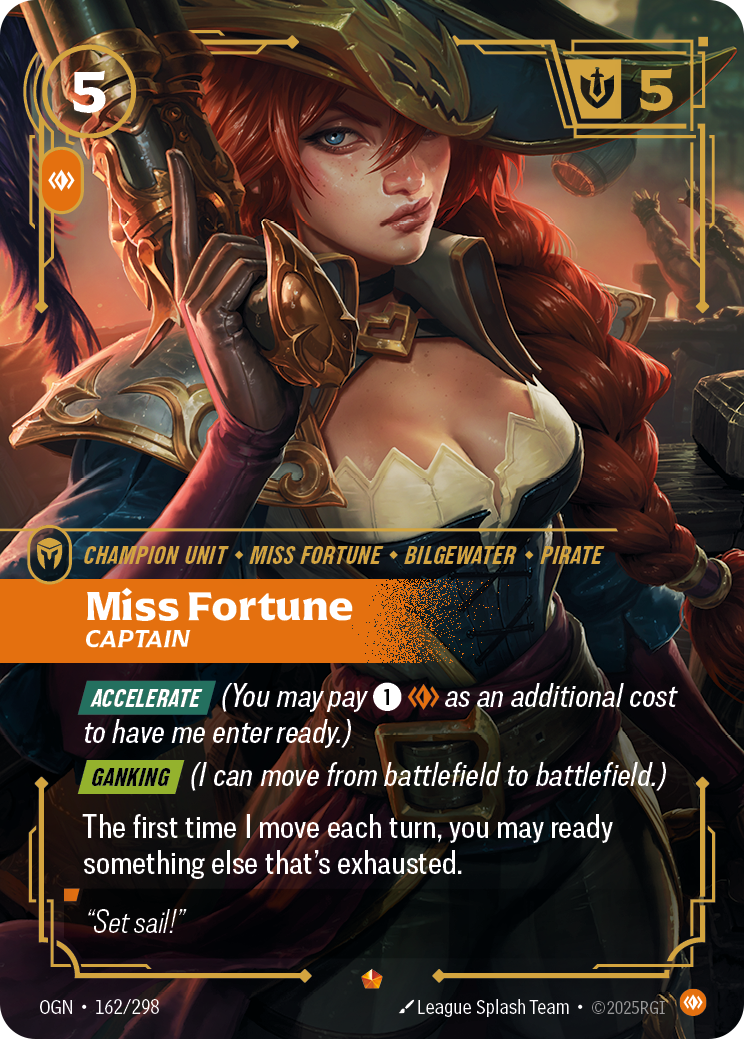
The Legend-Champion synergy is straightforward but effective. Miss Fortune, Bounty Hunter grants Ganking to a unit, allowing it to move between battlefields and attack immediately. This creates unexpected pressure and lets you conquer battlefields your opponent thought were safe. Miss Fortune, Captain is a 5/5 with Accelerate, letting you pay an additional Body rune to haste her into play—perfect for surprise attacks or defensive blocks.
Key Cards Breakdown
Understanding which cards matter in which matchups will determine your win rate with this deck. Here's what you need to know about the core pieces.
Catalyst of Aeons (E:4)
The best ramp spell in the deck. Four energy for two channelled runes accelerates you by an entire turn, and the fail-case of drawing a card means you're never devastated by playing it. You want this in your opening hand against any non-aggro matchup. Against aggressive decks, it's your first cut because spending four energy without affecting the board will get you killed.
Mindsplitter (E:7, M:7, P:2)
Your premium threat and disruption rolled into one. A 7/7 body for seven energy is already reasonable, but the ability to strip a card from your opponent's hand on entry makes this an absolute house. Against combo decks, you're often exiling their key piece. Against control, you're taking their best removal or sweeper. The Chaos colour requirement means you need to manage your rune types carefully, but it's worth the deckbuilding cost.
Stacked Deck (E:5, M:5, P:1)
This Champion does everything you want in a five-drop. It's a 5/5 body that attacks for a point, and on attack it reveals the top two cards and lets you play one for free. You're essentially cheating on energy costs while applying pressure. The Order colour is slightly awkward in a Body-Chaos deck, but the power level justifies the inclusion. You'll frequently chain multiple Stacked Decks together, creating cascading advantage.
Dazzling Aurora (E:9, P:2)
Your late-game engine. Nine energy is expensive, but this gear recycles itself at the end of each turn by revealing cards until you hit another gear, which you play exhausted. In longer games, this generates an insurmountable advantage—you're playing multiple gears per turn while your opponent is limited to their natural draws. The two points from conquest pressure also add up quickly.
Volibear, Imposing (E:12, M:10, P:2)
Your defensive closer. Twelve energy is a lot, but a 10/10 with Shield 3 and Tank is nearly impossible to attack through profitably. Tank forces opponents to assign combat to Volibear, and Shield 3 means he's effectively 13/10 on defence. This card wins races and stabilises desperate board states.
Called Shot (E:0, P:1)
The most efficient removal spell in the format. Zero energy for a point of damage doesn't sound impressive, but the Repeat keyword lets you pay additional Chaos runes to deal multiple points. Against aggressive decks, this kills early threats for free. Against larger units, you can invest runes to take down priority targets. The flexibility is unmatched.
Sabotage (E:1, P:1)
One energy to strip a non-unit card from your opponent's hand is incredible disruption. You're taking their best spell, gear, or battlefield before they can deploy it. The timing restriction (non-unit) is relevant, but most decks rely on spells for their key interactions. This is your turn-one play against combo and control.
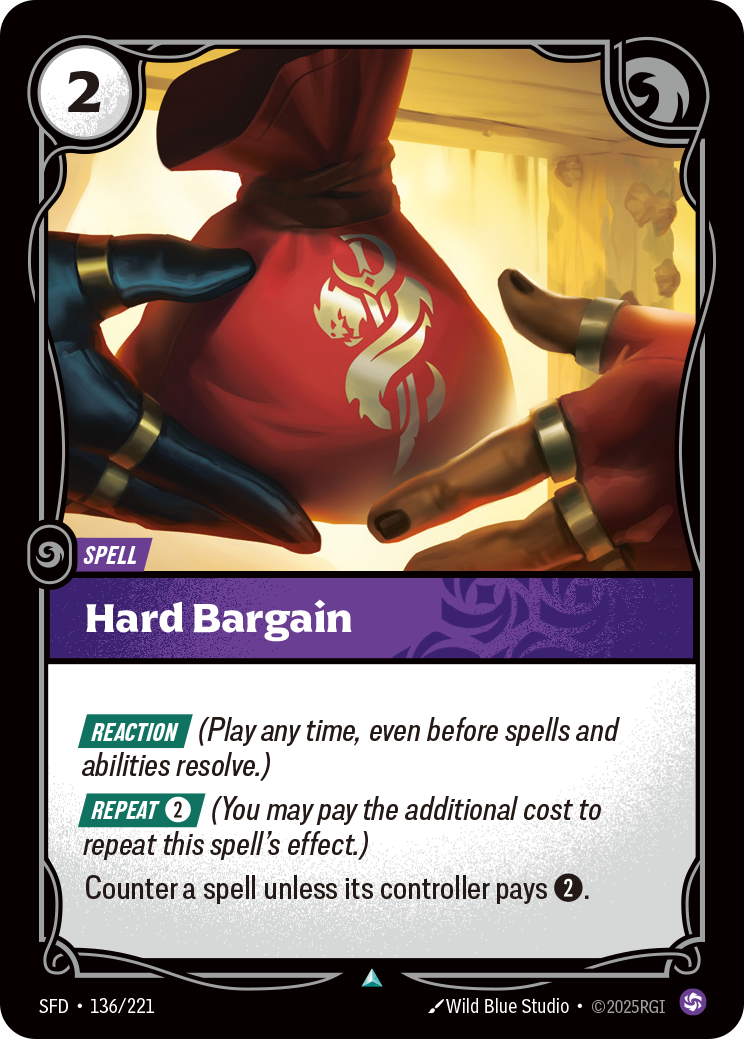
Hard Bargain (E:2)
A reactive counter-spell with Repeat. Two energy to counter a spell is standard, but the ability to pay additional Chaos runes to counter multiple spells in a turn is situationally game-winning. Against storm-style decks or opponents chaining multiple spells together, this can blow them out completely.
Challenge (E:2, P:1)
Your primary removal spell against aggressive decks. Two energy to force a combat between your unit and an enemy unit lets you trade up efficiently. You're often using this to kill a three-drop with your five-drop, generating a tempo advantage while removing their threat.
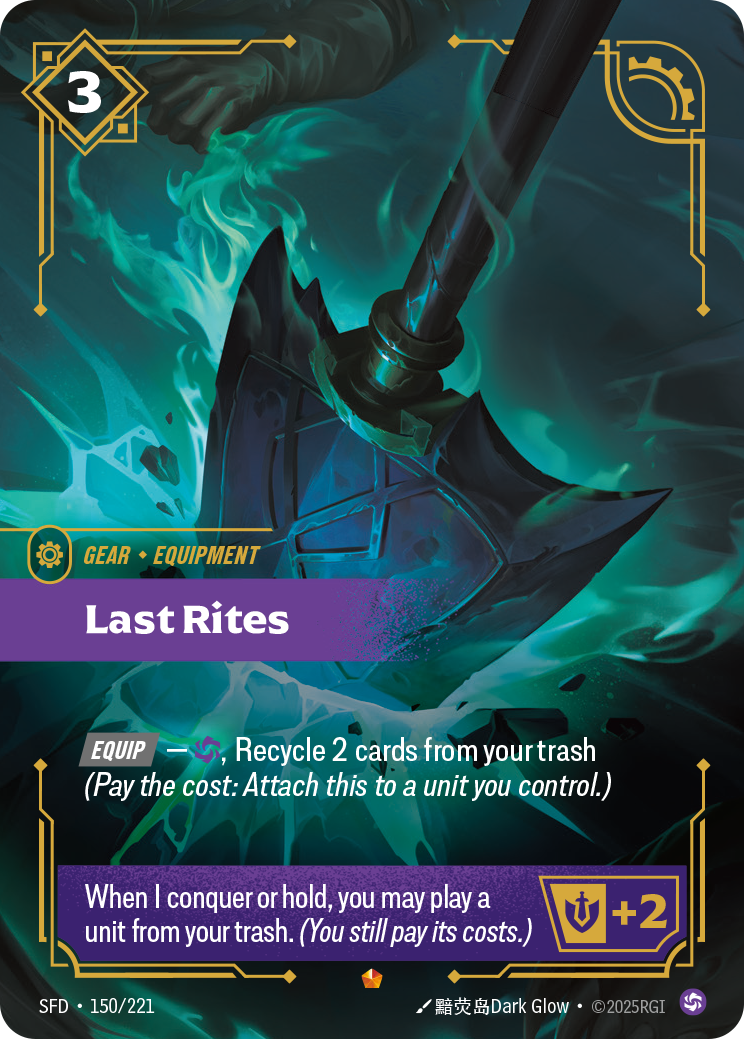
Last Rites (E:3, M:2)
A recursive gear that requires a Chaos rune and recycling two cards from your trash to equip. Once equipped, it provides ongoing value by letting you recur cards from your graveyard. In longer games, this lets you replay your best disruption spells or threats multiple times.
Matchup Analysis
This deck's strength lies in its adaptability, but that doesn't mean all matchups are favourable. Here's how you approach the common archetypes.
| Archetype | Matchup Rating | Key Cards |
|---|---|---|
| Aggro | Slightly Unfavourable | Challenge, Called Shot, Gust |
| Midrange | Favourable | Mindsplitter, Stacked Deck, Volibear |
| Control | Very Favourable | Sabotage, Mindsplitter, Dazzling Aurora |
| Combo | Favourable | Sabotage, Mindsplitter, Invert Timelines |
Against Aggro
Your worst matchup, though not unwinnable. You're spending your early turns channelling runes while they're deploying threats and attacking. Challenge and Called Shot are your primary defensive tools. Prioritise removing their most efficient threats and stabilising around turn four or five. Volibear, Imposing is your best card in this matchup—once he lands, aggressive decks struggle to push through. Post-board, you bring in Unyielding Spirit to protect key blockers and Gust to bounce their biggest threats.
Against Midrange
This is where the deck shines. You're disrupting their hand with Sabotage and Mindsplitter while deploying threats of your own. The key is timing your disruption correctly—you want to strip their best threat or answer right before they can deploy it. Stacked Deck outvalues most midrange threats by generating card advantage on attack. The matchup revolves around resource management—whoever runs out of threats first loses.
Against Control
You're heavily favoured here. Control decks rely on specific answers to specific threats, and your disruption suite dismantles their hand before they can stabilise. Sabotage on turn one or two takes their best sweeper or removal spell. Mindsplitter on turn five strips another key card. By the time they've recovered, you've deployed multiple threats and they're too far behind. Dazzling Aurora is unbeatable in this matchup—control decks can't handle the recursive value it generates.
Against Combo
Favourable but requires precise play. You need to identify their combo pieces and strip them with Sabotage or Mindsplitter. The challenge is figuring out which card to take—if you exile the wrong piece, they might still combo off. Invert Timelines is your nuclear option, forcing both players to discard and draw four fresh cards. This resets their combo setup and buys you time to deploy threats. Post-board, Factory Recall lets you bounce their key permanents.
Sideboard Guide
Your sideboard is compact but focused. Each card addresses a specific weakness or enhances your gameplan against certain archetypes.
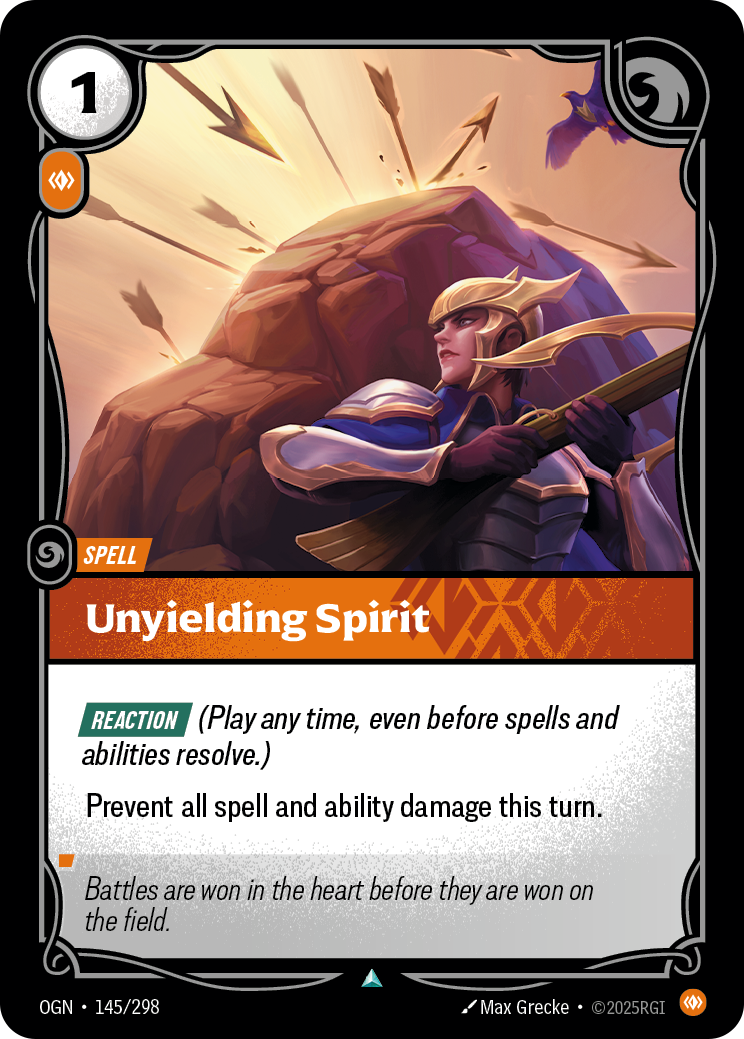
Unyielding Spirit (×2)
Bring in against: Aggro, Midrange
Cut: Catalyst of Aeons, Invert Timelines
One energy to prevent damage to a unit is exactly what you need against aggressive strategies. This protects your blockers and lets you survive the early game. Against midrange, it counters their removal spells and forces them to over-commit resources to kill your threats.
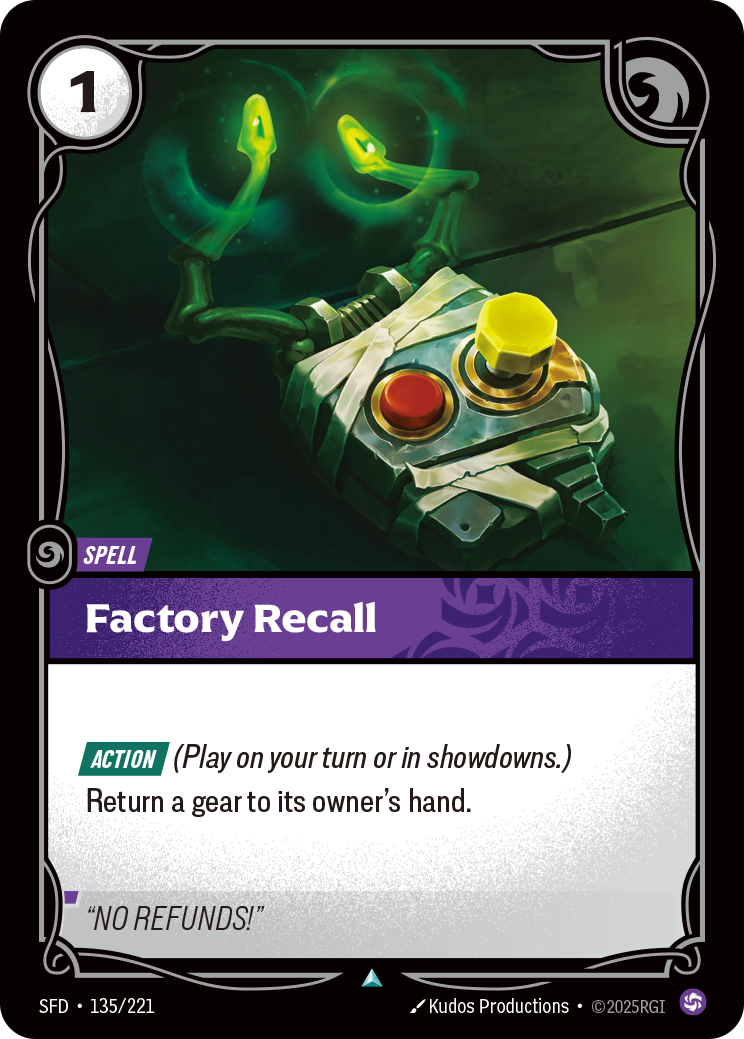
Factory Recall (×2)
Bring in against: Combo, Control (gear-heavy builds)
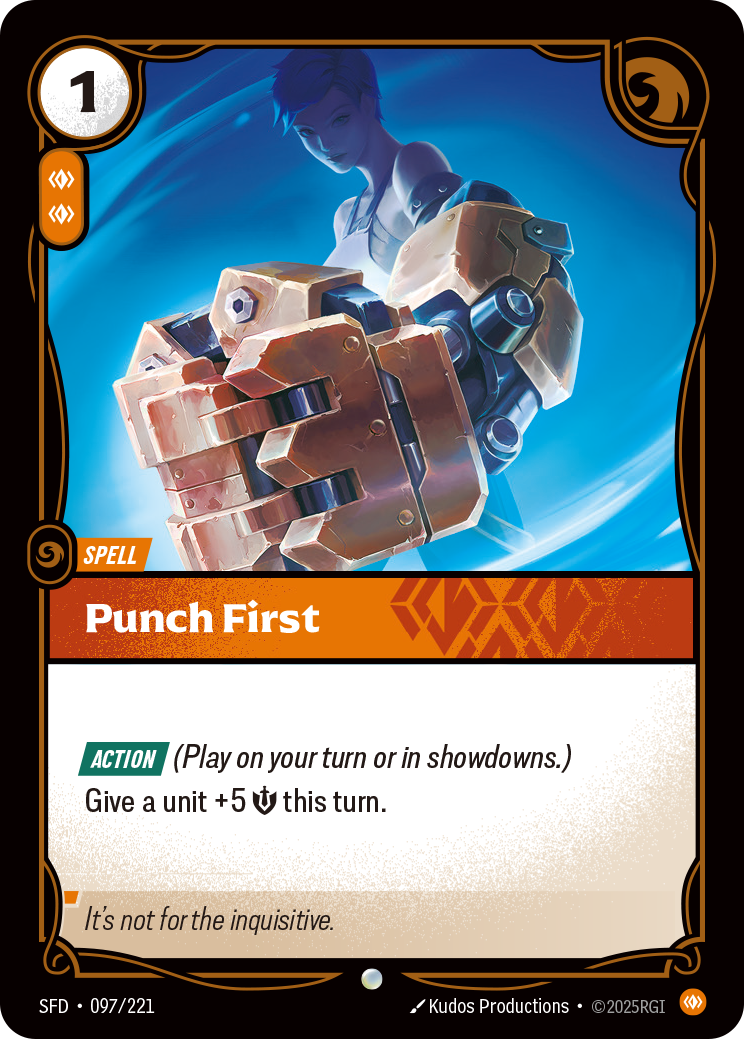
Cut: Punch First, Challenge
One energy to bounce a gear is efficient disruption against decks that rely on powerful gear effects. This is particularly strong against combo decks that need specific gears to execute their win condition. You can also use this on your own gears to replay enter-the-battlefield effects.
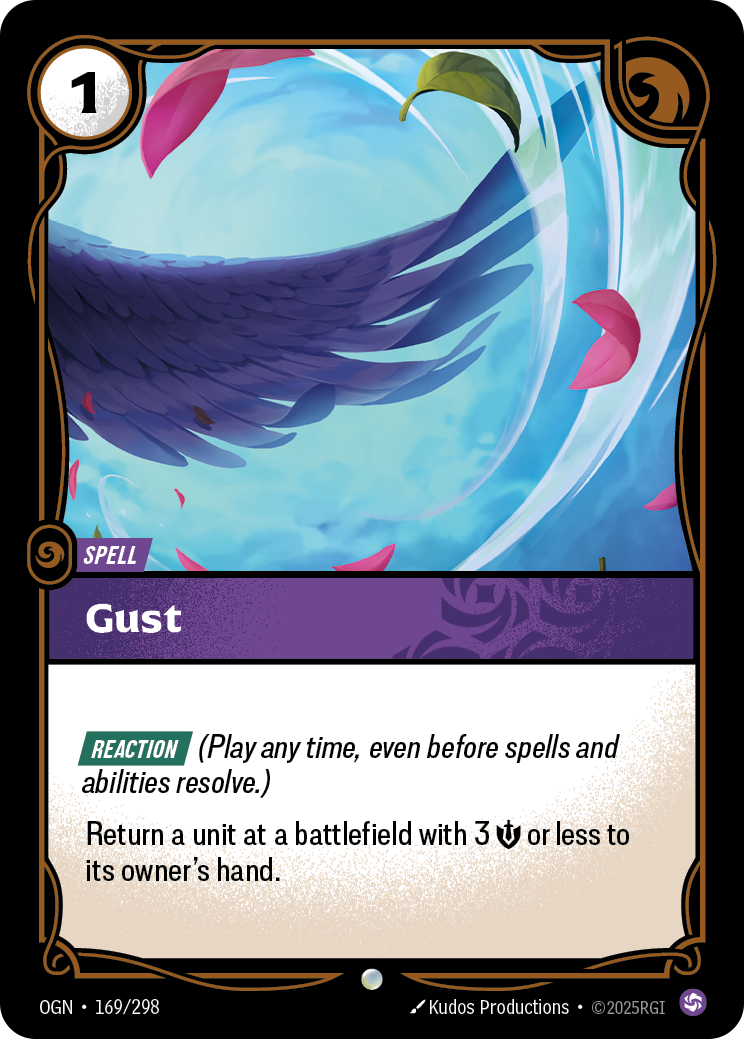
Gust (×1, third copy)
Bring in against: Aggro, Midrange
Cut: Catalyst of Aeons
The third copy of Gust gives you additional interaction against creature-based strategies. One energy to bounce a unit is tempo-positive against opponents who invested more energy into their threat. This is particularly strong against Champions and large units.
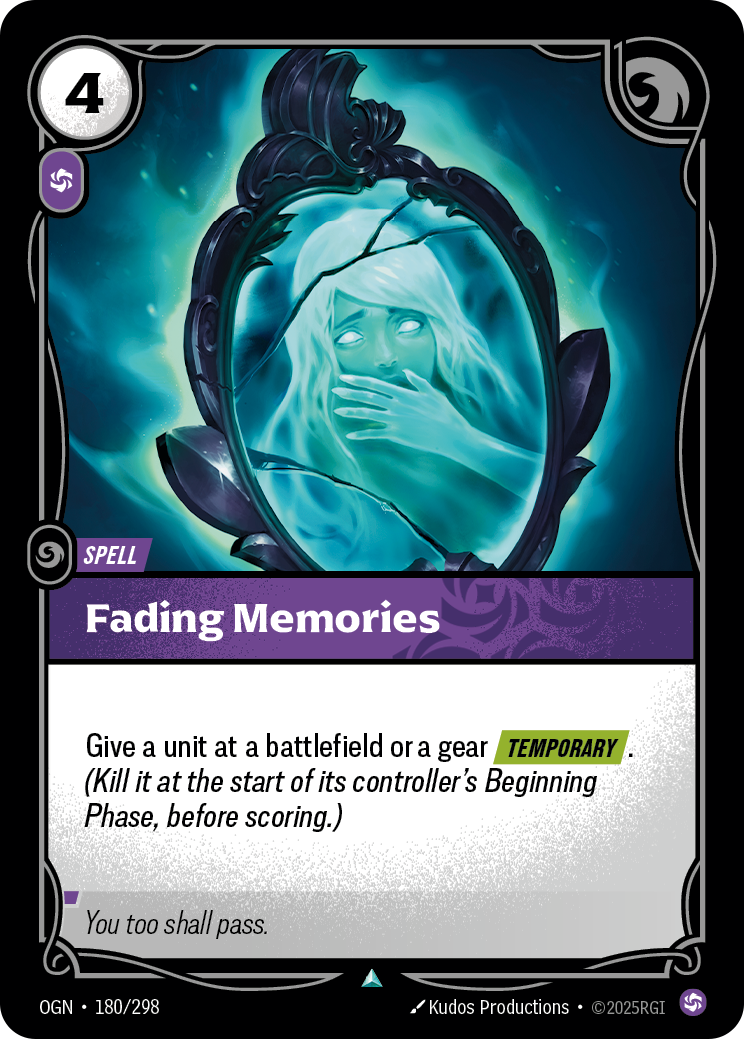
Fading Memories (×1)
Bring in against: Midrange, Control
Cut: Mobilize
Four energy to give a unit or gear Temporary is expensive, but it's a clean answer to problematic permanents that your main deck struggles to remove. This is your catch-all solution for threats that dodge your disruption suite.
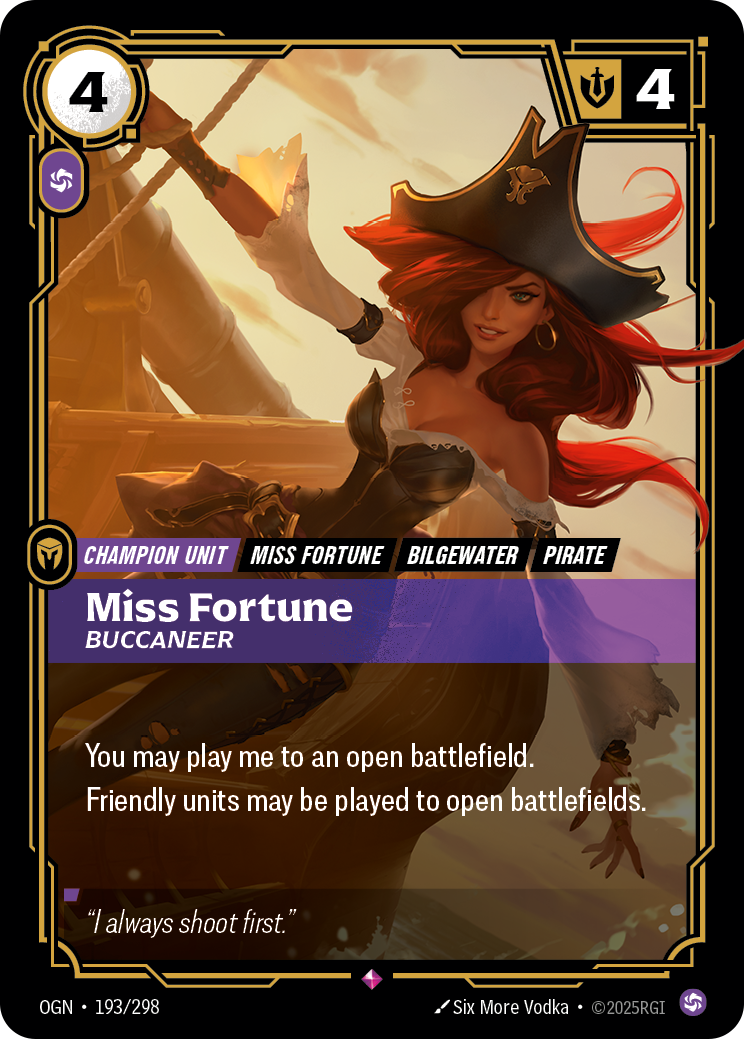
Miss Fortune, Buccaneer (×1)
Bring in against: Control, Midrange
Cut: Punch First
A four-energy 4/4 that can be played to open battlefields and grants the same ability to friendly units. This accelerates your battlefield conquest strategy and creates additional pressure. Against slower decks, this lets you spread threats across multiple battlefields simultaneously.
Budget Alternatives
This deck is relatively affordable by competitive standards, but a few cards carry premium price tags. Here's how to build a functional version on a budget.
Dazzling Aurora → Additional Stacked Deck or hard removal
Dazzling Aurora is an Epic gear that's expensive both in energy cost and CAD price. If you're building on a budget, you can replace these with additional copies of efficient threats or removal spells. The deck loses its late-game engine, but you gain consistency in the mid-game.
Volibear, Imposing → Other large Body Champions
Volibear is a Rare Champion but isn't prohibitively expensive. However, if you need a cheaper alternative, any large Body-aligned Champion with defensive abilities will serve a similar role. You want something that stabilises the board and forces opponents to commit resources.
Mindsplitter → Additional Sabotage and hand disruption
Mindsplitter is a Rare and one of the deck's most expensive cards. You can run additional copies of Sabotage and other cheap disruption spells to maintain the hand-attack strategy. You lose the body, which is significant, but
Buy These Riftbound Singles on Anime Alley
 In Stock
Miss Fortune - Bounty Hunter (267/298) - Origins Foil


Looking for more Riftbound singles in Toronto?
Anime Alley ships across Canada with local pickup available in the GTA.
Browse Riftbound Singles on Anime AlleyBuy These Riftbound Singles on Anime Alley
In Stock
Miss Fortune - Bounty Hunter (267/298) - Origins Foil
Looking for more Riftbound singles in Toronto?
Anime Alley ships across Canada with local pickup available in the GTA.
Browse Riftbound Singles on Anime AlleyBrowse Singles on Anime Alley
Find the cards mentioned in this guide at competitive Canadian prices with fast shipping.
Shop Now

