

Kai'Sa, Daughter of the Void Deck Guide — Competitive Riftbound (2026)
Kai'Sa, Daughter of the Void won the Guangzhou City Challenge by leveraging her Legend ability to fuel a spell-dense control strategy that overwhelms opponents with removal while deploying resilient threats. This deck combines efficient burn spells like Hextech Ray and Falling Star with late-game bombs such as Thousand-Tailed Watcher and Ferrous Forerunner, creating a flexible gameplan that adapts to both aggressive and controlling matchups. The 12-rune split (6 Fury, 6 Mind) enables consistent access to both colours while Kai'Sa's rune generation keeps the spell engine running throughout the game.
For Canadian players looking to build this tournament-proven list, sourcing Riftbound singles in Toronto has become significantly easier with dedicated retailers stocking competitive staples. The deck's power lies in its ability to answer virtually any board state while maintaining card advantage through Kai'Sa's resource generation, making it a strong choice for the current metagame.
【City Challenge】Guangzhou Station - #1
 ×3
×3
 ×3
×3
 ×3
×3
 ×3
×3
 ×3
×3
 ×3
×3
 ×3
×3
 ×2
×2
 ×2
×2
 ×2
×2
 ×2
×2
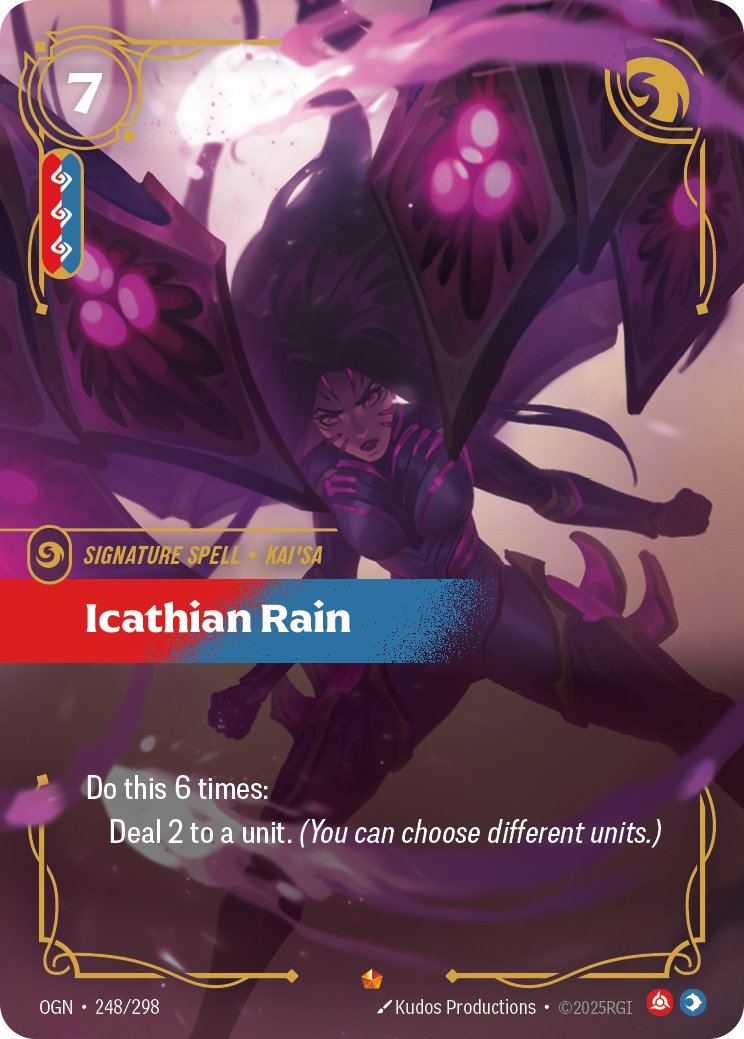
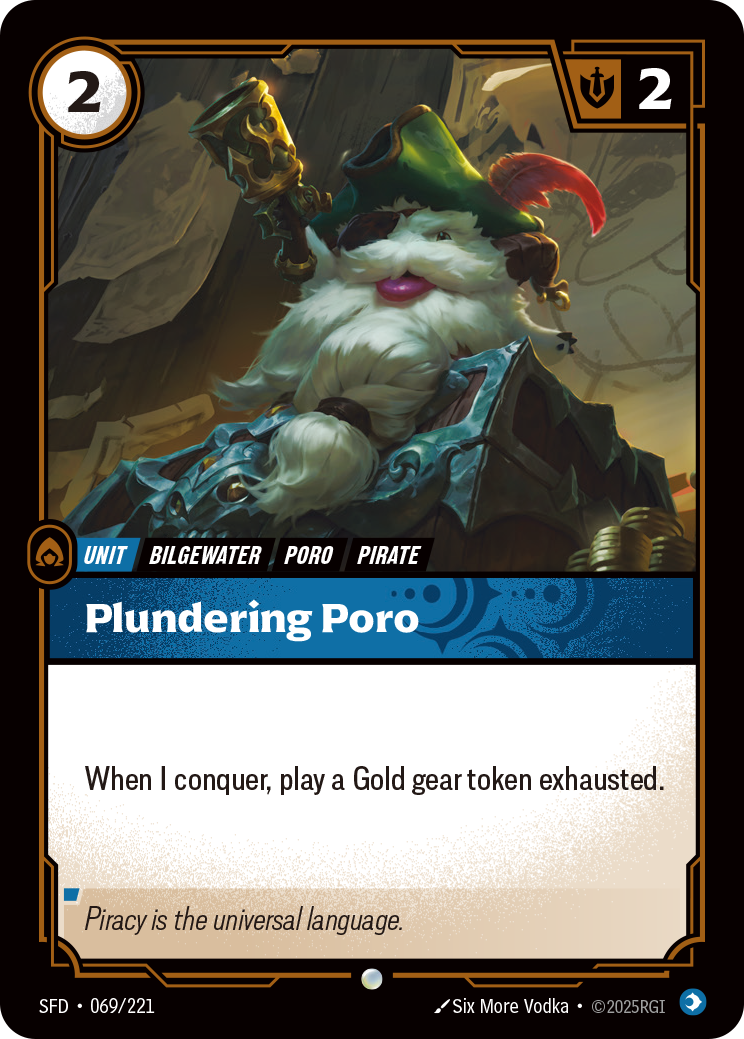
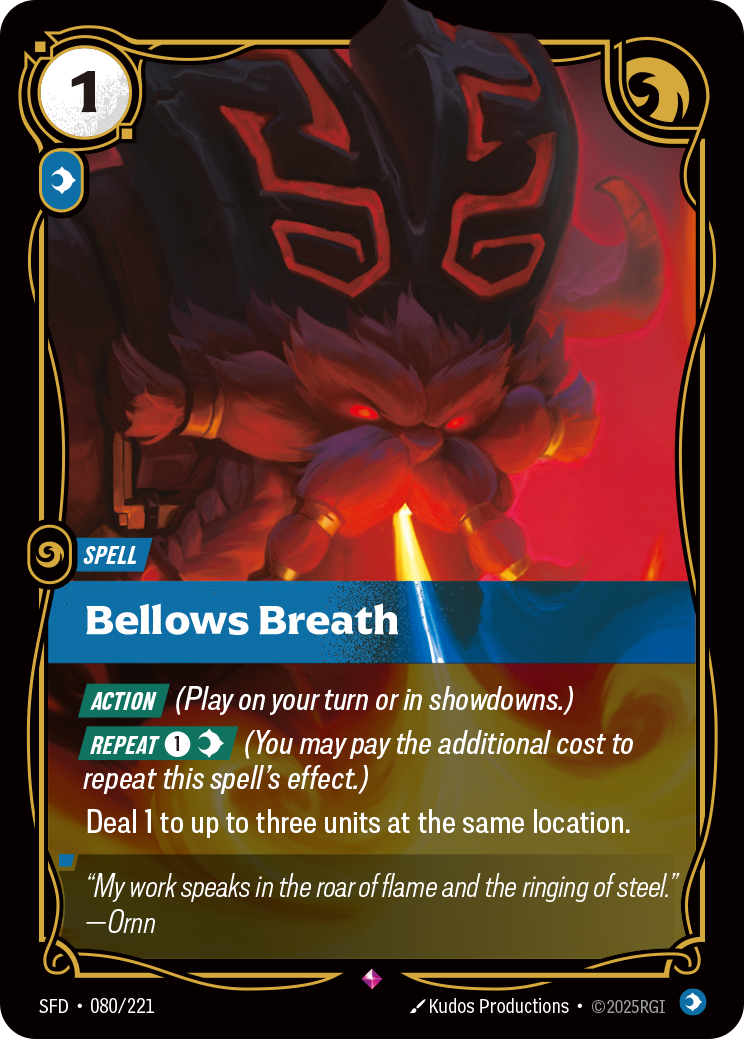
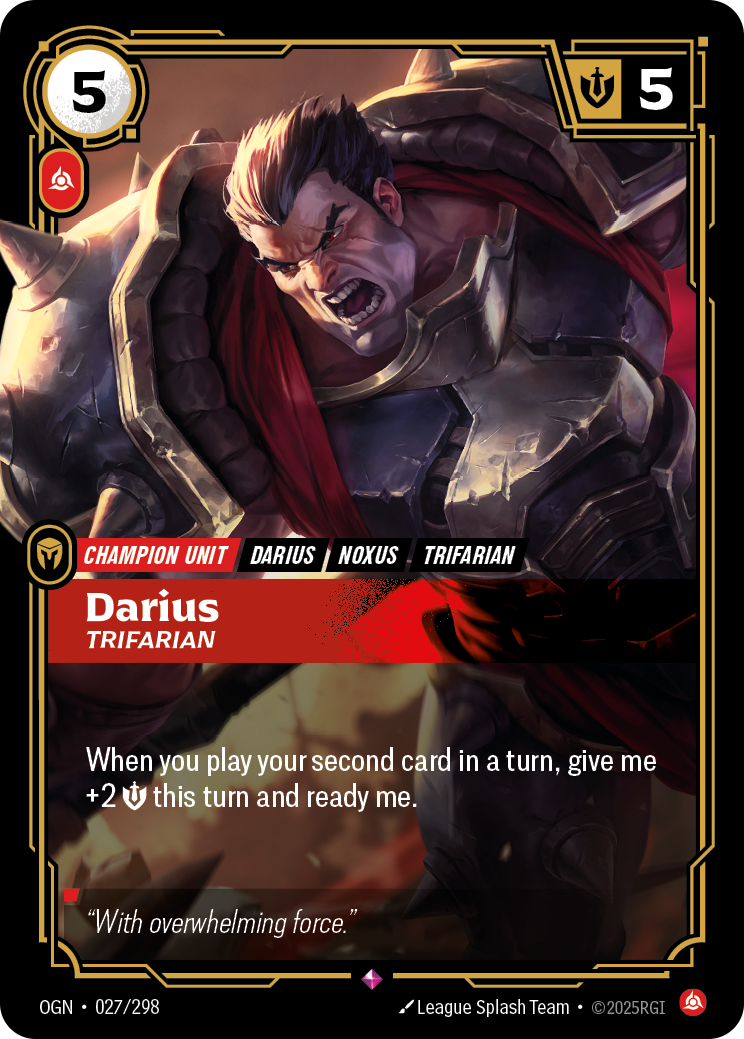 ×2
×2
×2
×2
 ×2
×2
 ×2
×2
How This Deck Works
This is a spell-based control deck that uses Kai'Sa's Legend ability to generate rainbow runes exclusively for casting spells, effectively giving you additional mana each turn once she's active. The core loop involves playing cheap removal to control the battlefield while building toward powerful late-game units that your opponent can't efficiently answer after you've exhausted their resources.
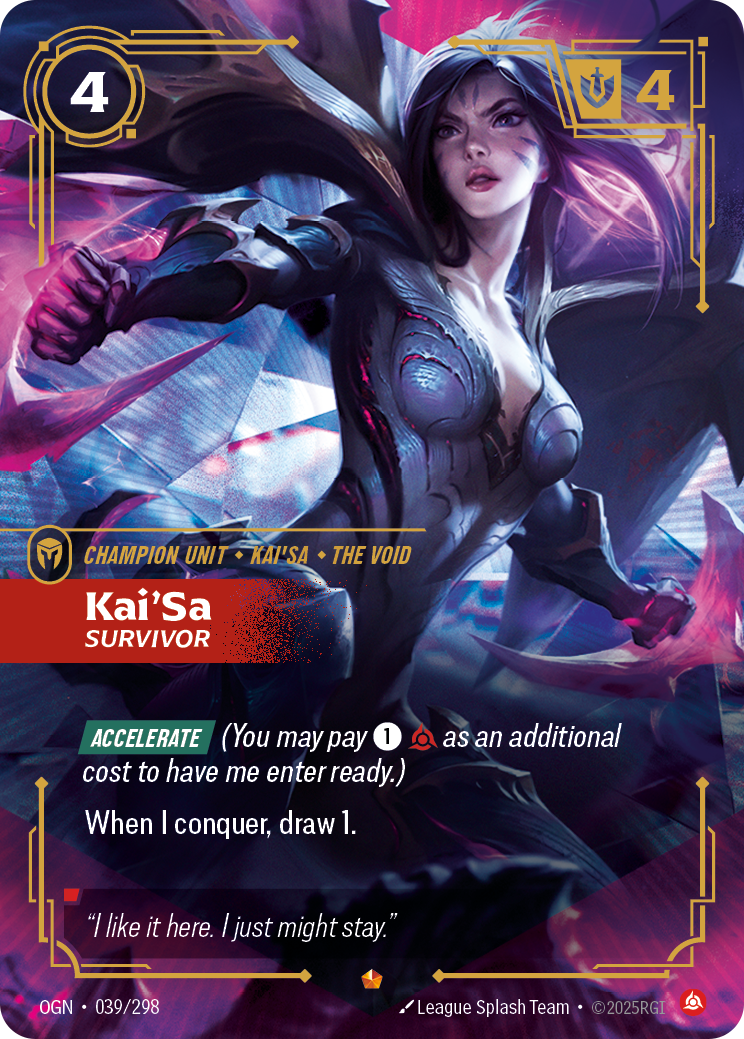
Kai'Sa, Survivor serves as both a mid-game threat and a mana sink with her Accelerate ability. Paying the additional energy and Fury rune to hasten her deployment often catches opponents off-guard, particularly when you follow up with immediate spell support. Her 4 might makes her a legitimate clock against slower decks, and she provides redundancy for your Legend's rune generation when drawn.
The win condition splits between two paths: grinding opponents out with efficient removal backed by card advantage from Forecaster and Production Surge tokens, or closing games quickly with Darius, Trifarian after establishing board control. Darius becomes a 7-might threat when you play him as your second card in a turn, and his refresh ability lets him conquer multiple battlefields or survive combat trades that would normally be unfavourable.
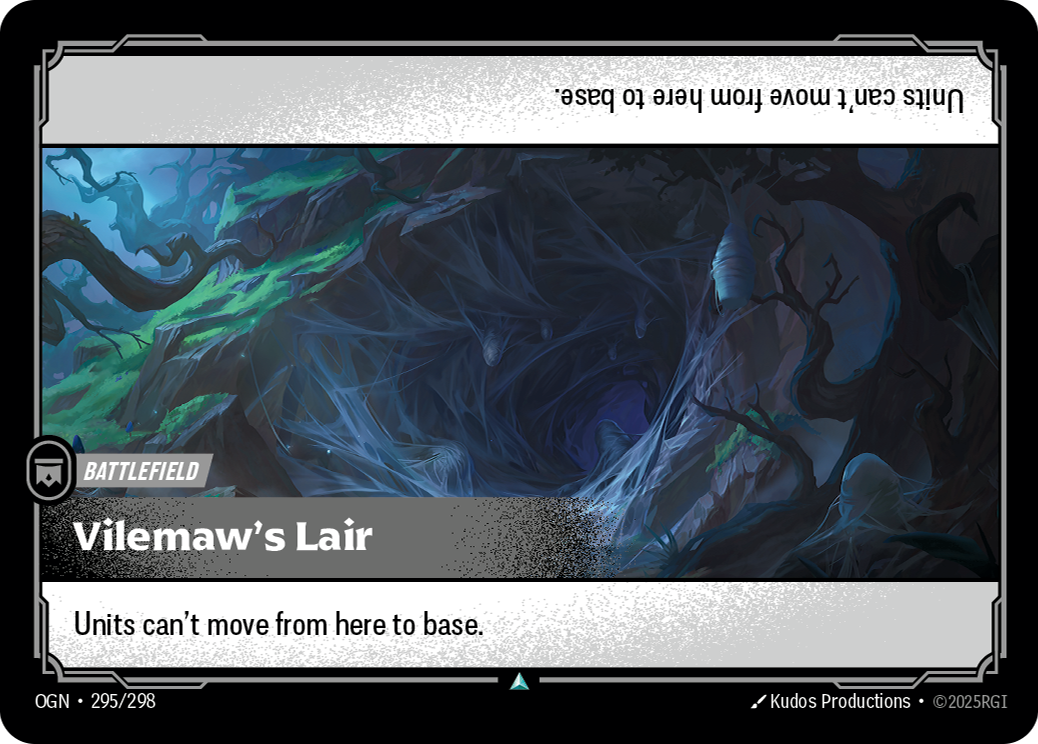
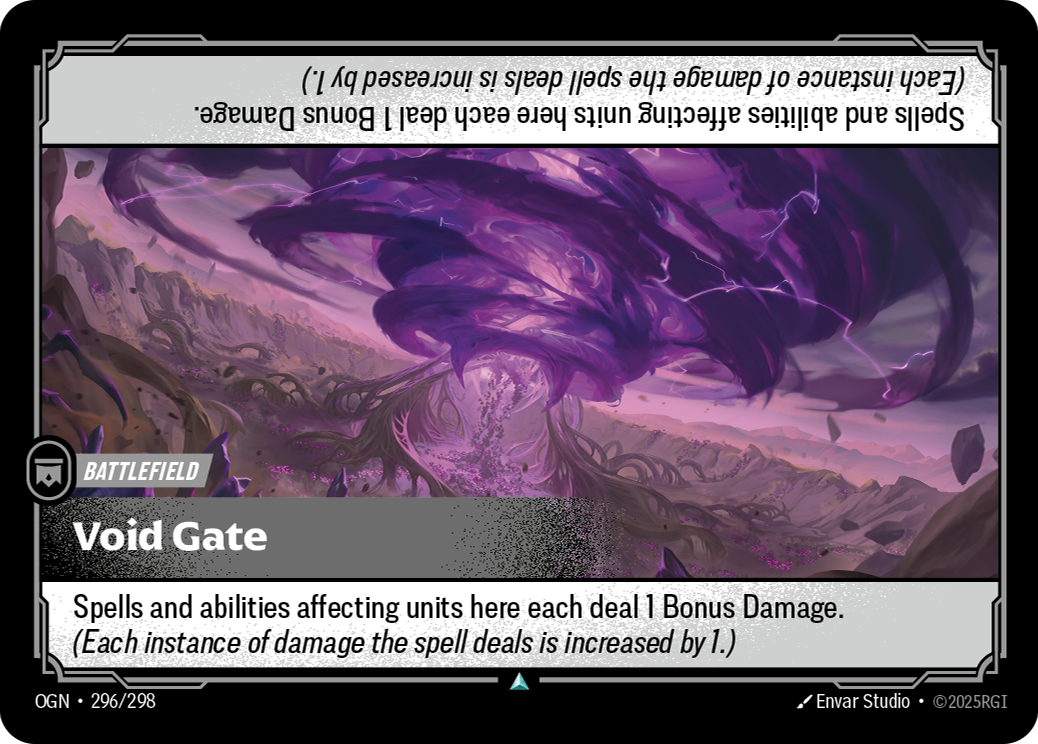
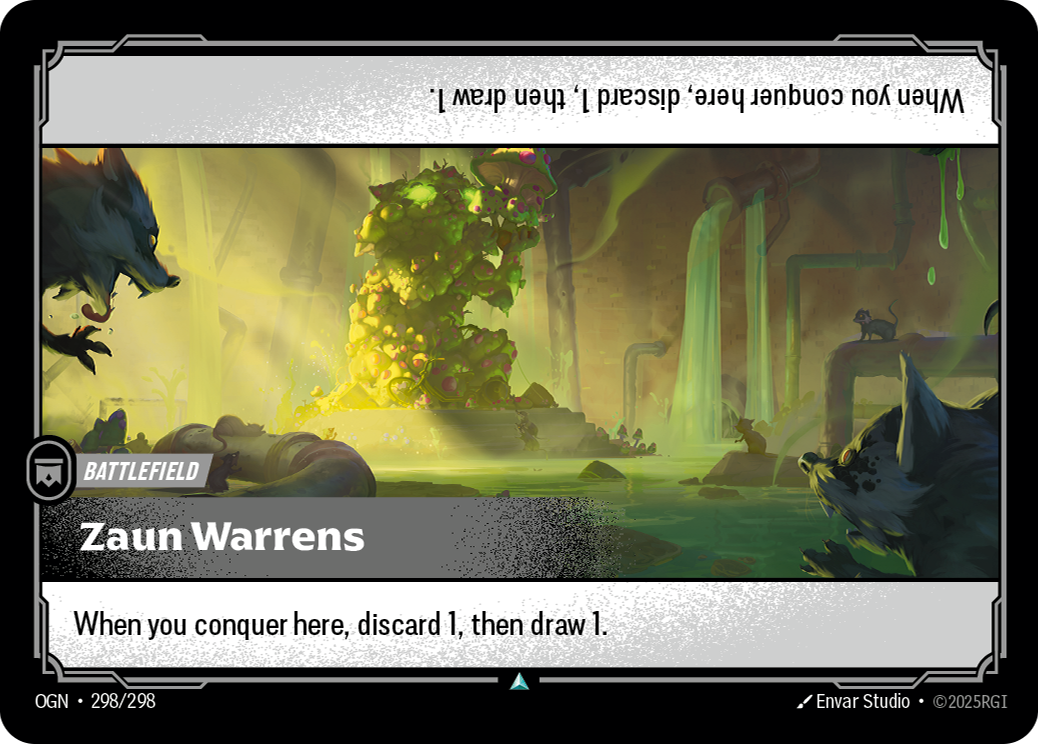
Your battlefield selection matters significantly. Void Gate amplifies all your damage spells, turning Hextech Ray into 4 damage and making Falling Star deal 8 total. Vilemaw's Lair locks units in place, preventing opponents from repositioning threats or pulling back damaged units. Zaun Warrens provides card filtering when you successfully conquer, helping you find answers or threats as needed.
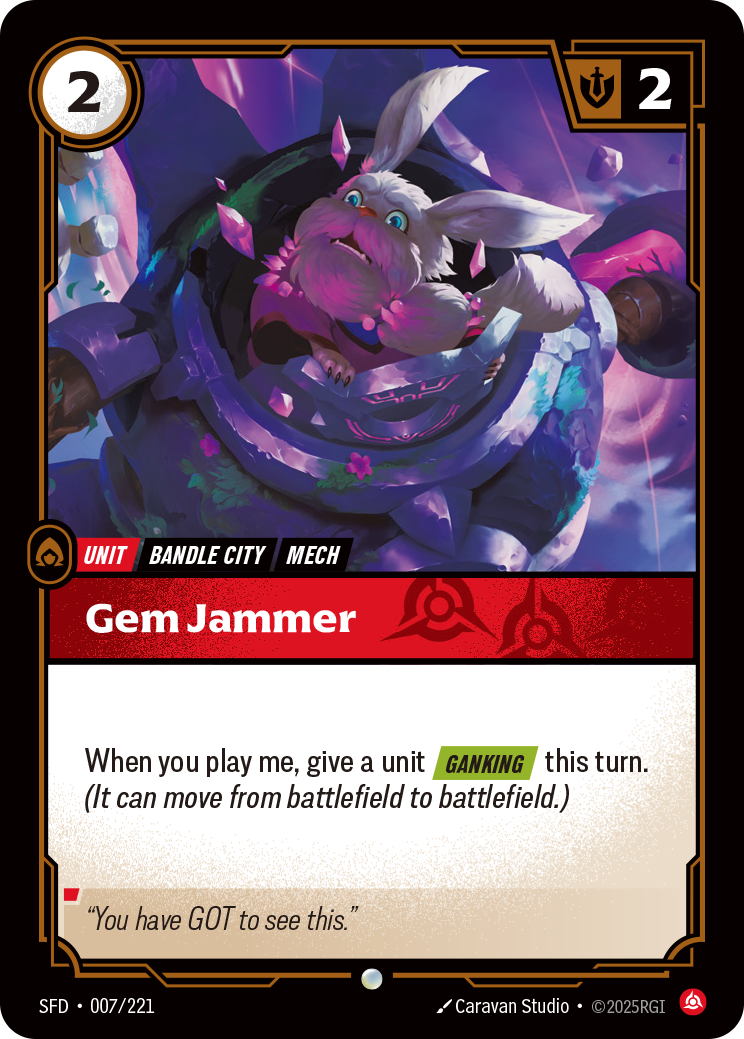
The deck operates as a tempo-control hybrid. Early turns focus on efficient removal and developing Forecasters or Gem Jammers to maintain battlefield presence. Mid-game transitions into Production Surge turns that flood the board with 3-might Mech tokens while your removal keeps opponent threats in check. Late game leverages Thousand-Tailed Watcher's massive body or chains multiple spells together using Kai'Sa's rune generation to overwhelm depleted opponents.
Key Cards Breakdown
Understanding which cards perform specific roles helps you sequence plays correctly and identify key cards to protect or prioritize in different matchups.
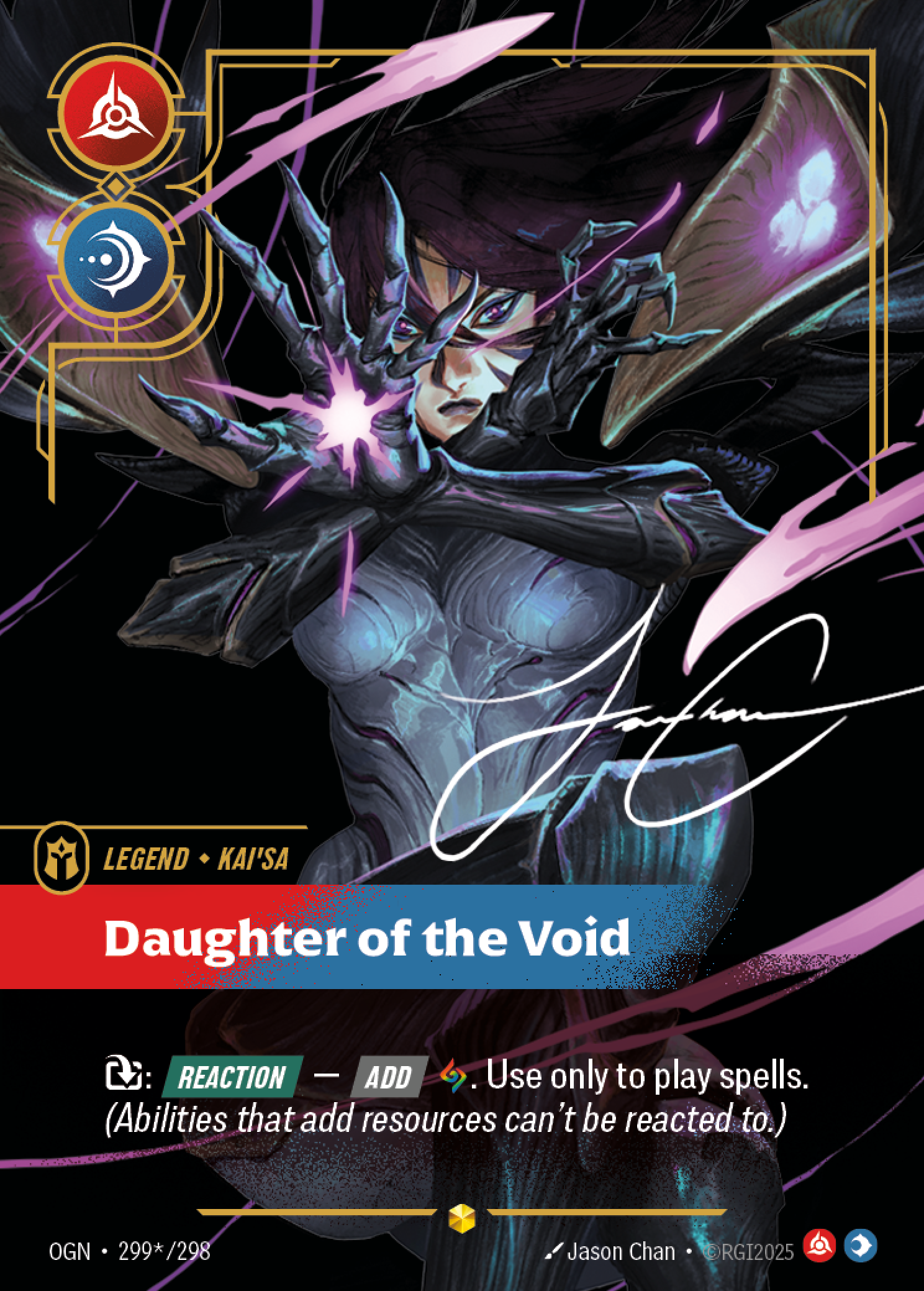
Kai'Sa, Daughter of the Void (Legend)
Your engine. The reaction ability adds a rainbow rune specifically for spells, effectively reducing the cost of every spell you cast by one generic energy. This becomes absurd in longer games where you're casting multiple spells per turn. Prioritize exhausting her whenever you're playing removal or card draw, as the tempo advantage compounds quickly.
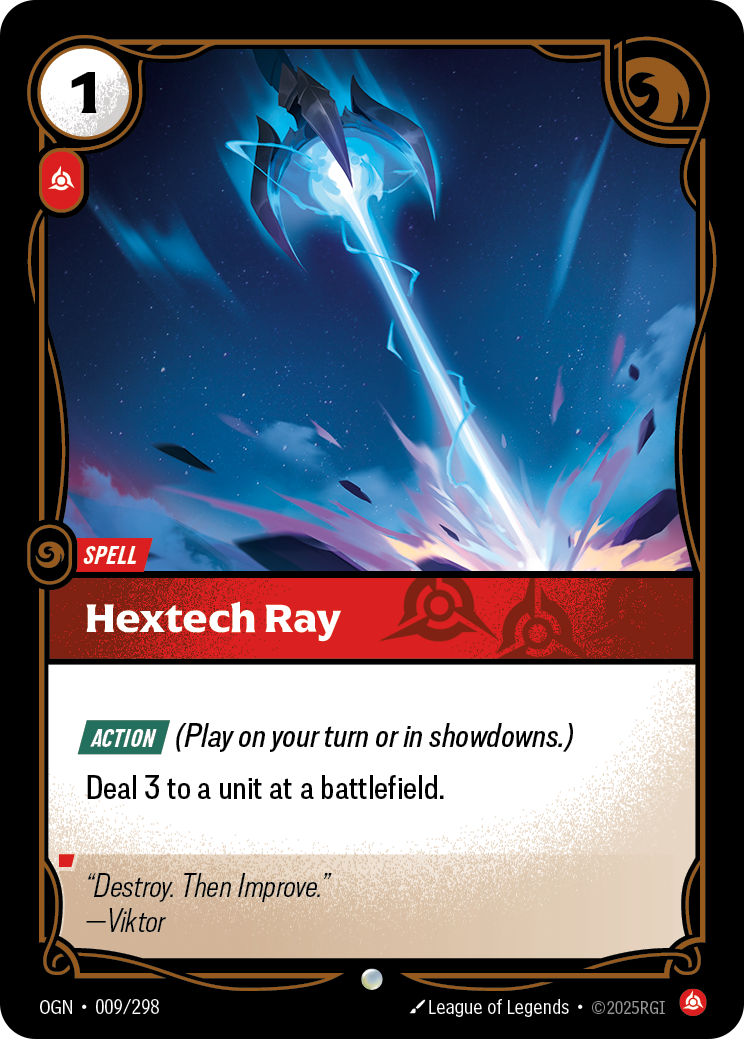
Hextech Ray (E:1/P:1)
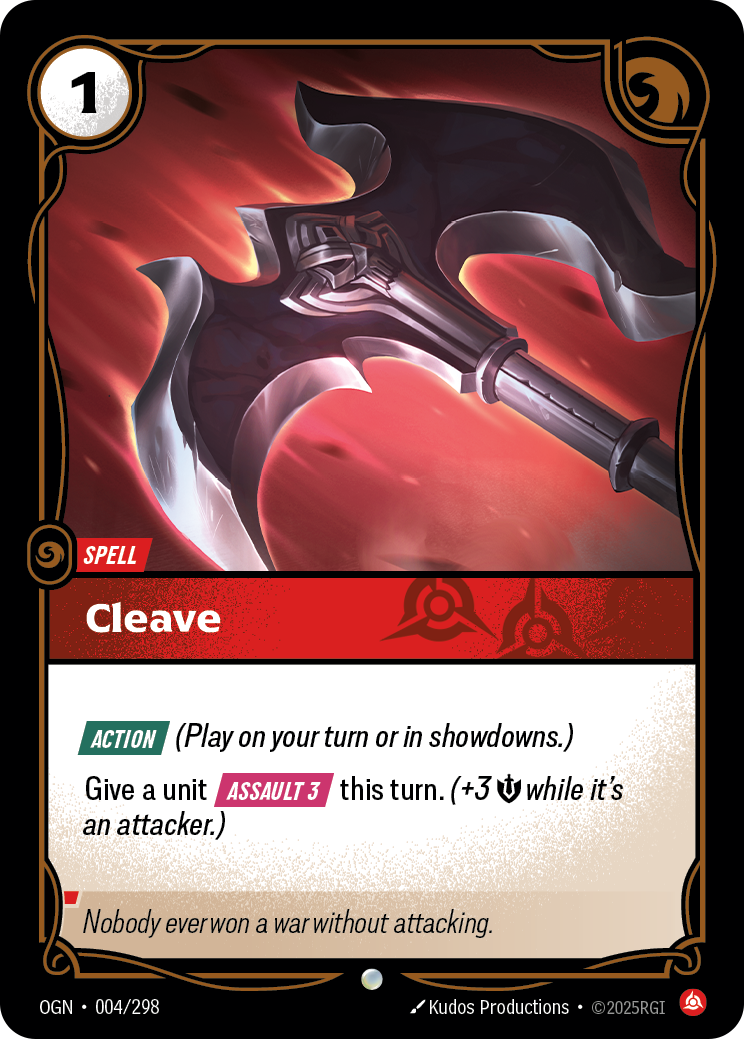
The most efficient removal spell in the deck. Three damage kills most early units and can be played during showdowns to swing combat. At effectively zero cost with Kai'Sa active, you can chain multiple Rays in a single turn to clear developed boards. The Action timing means you can also use it proactively on your turn to clear blockers before moving units.
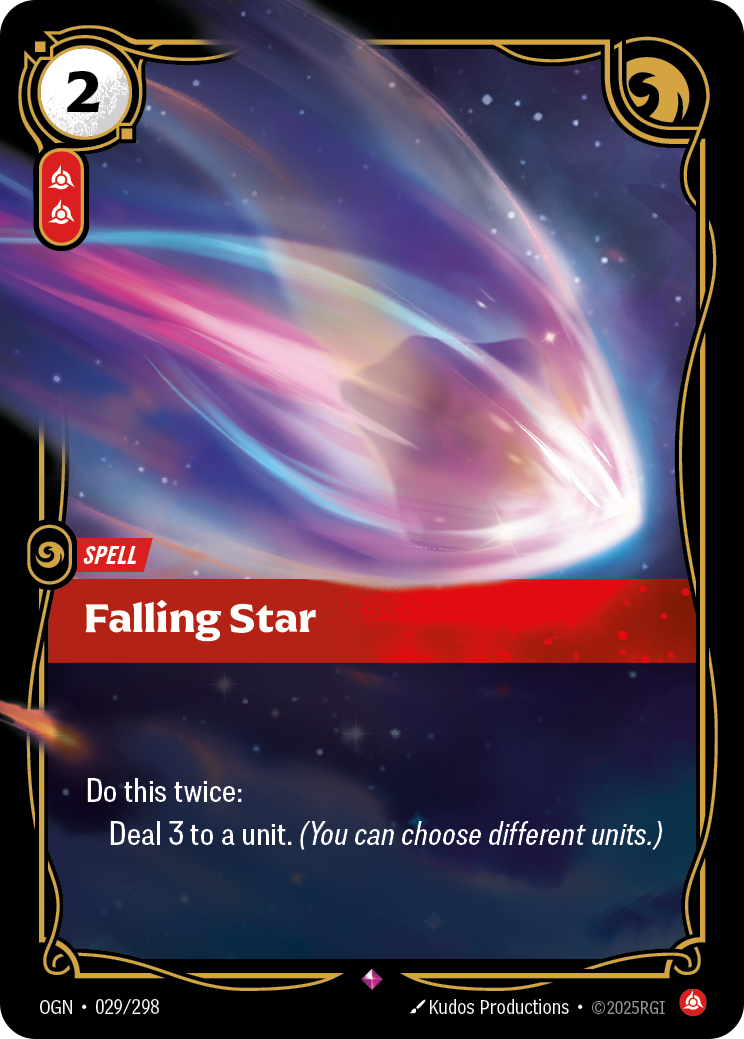
Falling Star (E:2/P:2)
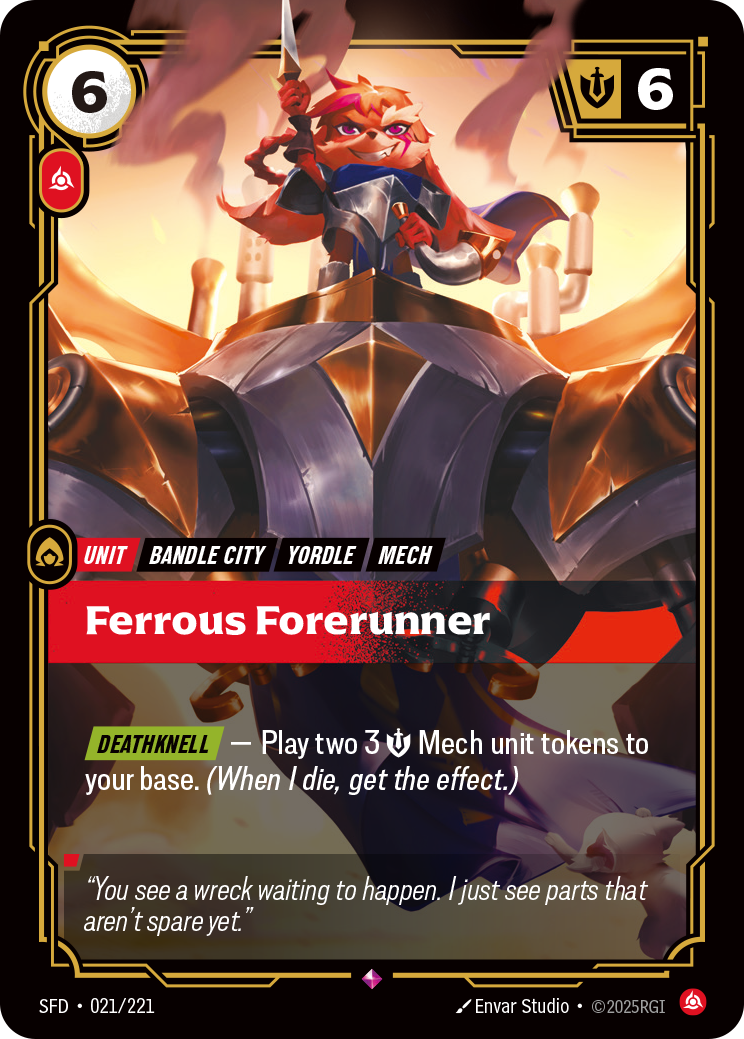
Six total damage split across two instances makes this your premium removal spell. It kills Ferrous Forerunner before the Deathknell triggers, eliminates two separate threats, or deals all six to a single large unit. With Kai'Sa active, this costs effectively one energy for six damage, which is absurdly efficient. The double-target flexibility cannot be overstated.
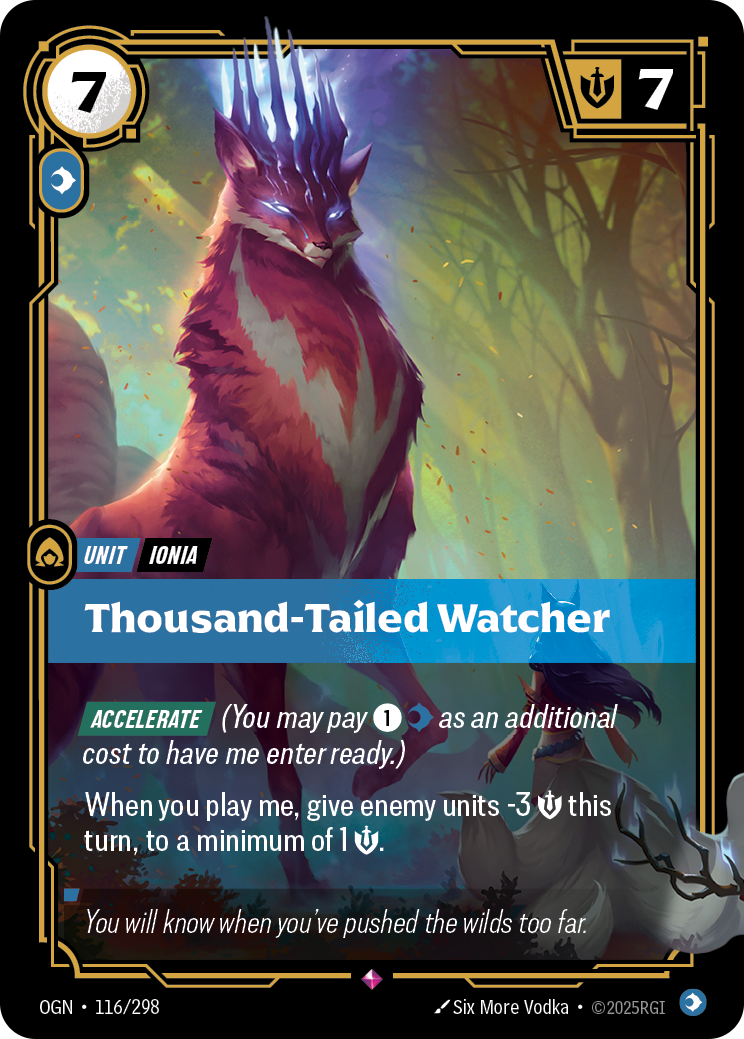
Thousand-Tailed Watcher (E:7/M:7/P:1)
Your primary late-game threat. Seven might survives most combat and requires specific answers. The Accelerate option (E:1 plus a Mind rune) lets you deploy it early when you need a blocker or clock, though you typically want to hard-cast it when you can protect it. This card wins games by itself if it sticks for two turns.
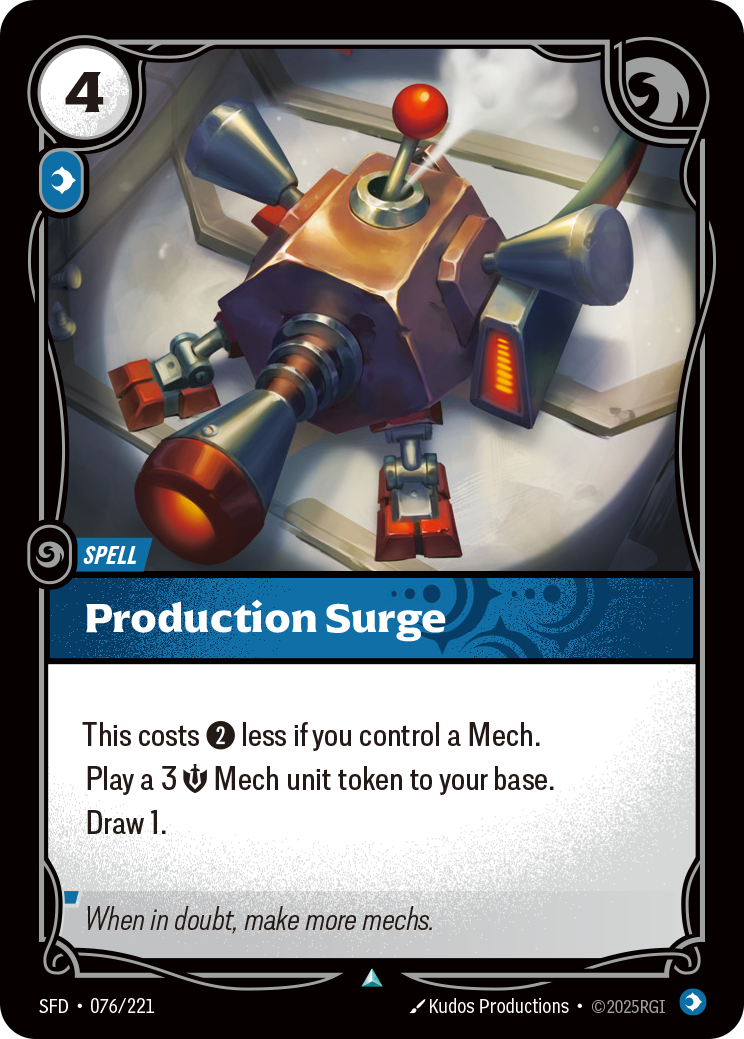
Production Surge (E:4/P:1)
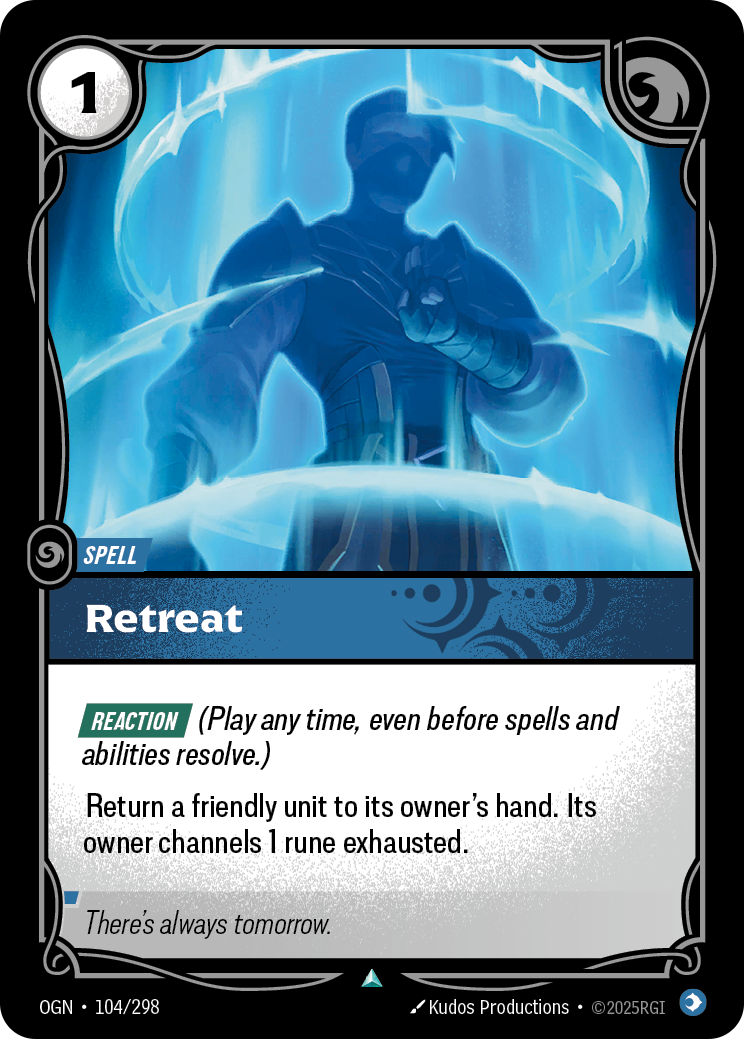
Costs two energy when you control any Mech, which includes tokens from Ferrous Forerunner or previous Production Surges. This creates exponential board development where one Surge enables discounted future Surges. The 3-might tokens trade favourably with most units and provide sacrifice fodder for Retreat if needed. Playing this on turn two off a Forecaster is often game-winning against aggressive decks.
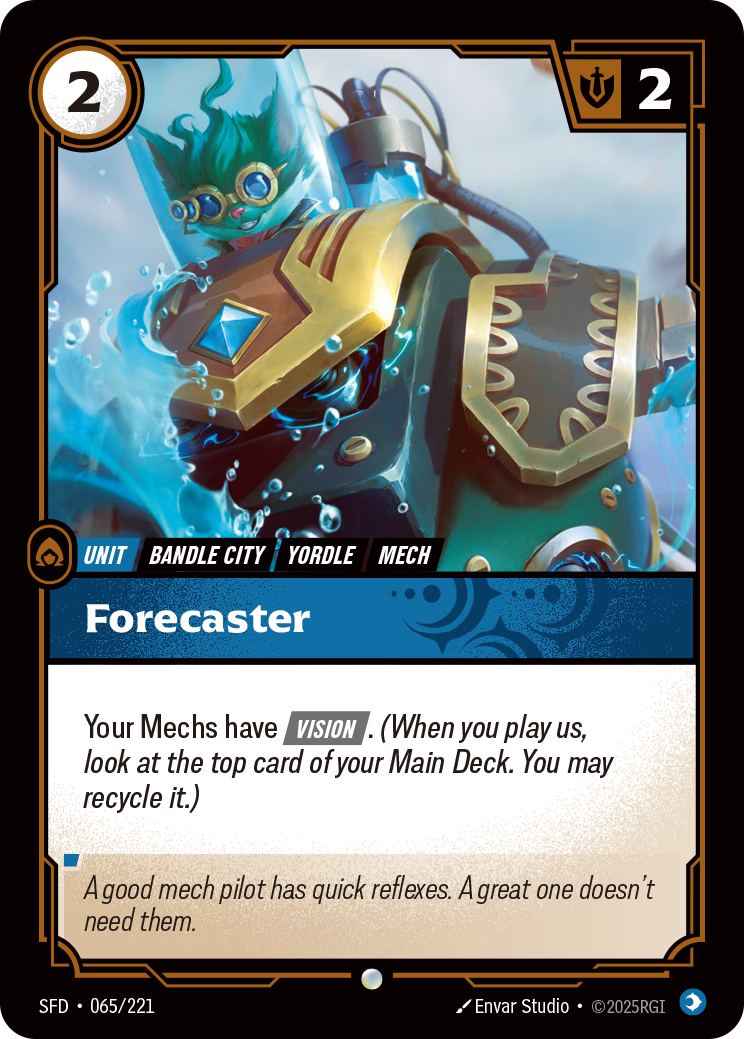
Forecaster (E:2/M:2)
Enables discounted Production Surges while providing Vision to filter draws. The two-drop slot is crucial for tempo, and Forecaster's body trades with other two-drops while providing ongoing value. Against control, the Vision ability helps you find threats or hold up the right interaction. Always a keep in your opening hand.
Darius, Trifarian (E:5/M:5/P:1)
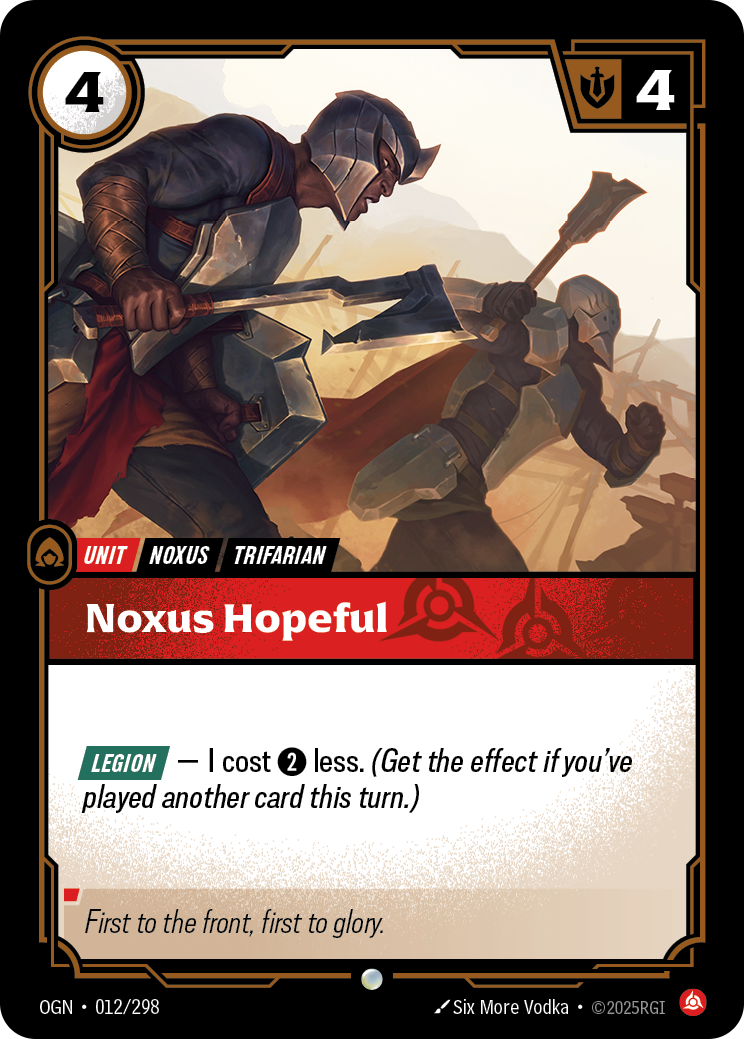
Your secondary win condition. The key is triggering his ability by playing him as your second card in a turn—often following a one-cost spell like Hextech Ray or Cleave. This creates a 7-might refreshed unit that can immediately conquer or attack, then refresh to block on your opponent's turn. He closes games faster than Thousand-Tailed Watcher but requires more setup.
Ferrous Forerunner (E:6/M:6/P:1)
Provides inevitability. Even when removed, the Deathknell generates two 3-might Mechs that enable Production Surge discounts and present additional threats. Against removal-light decks, a resolved Forerunner demands an immediate answer or it takes over the game. The six-might body also trades favourably with most units.
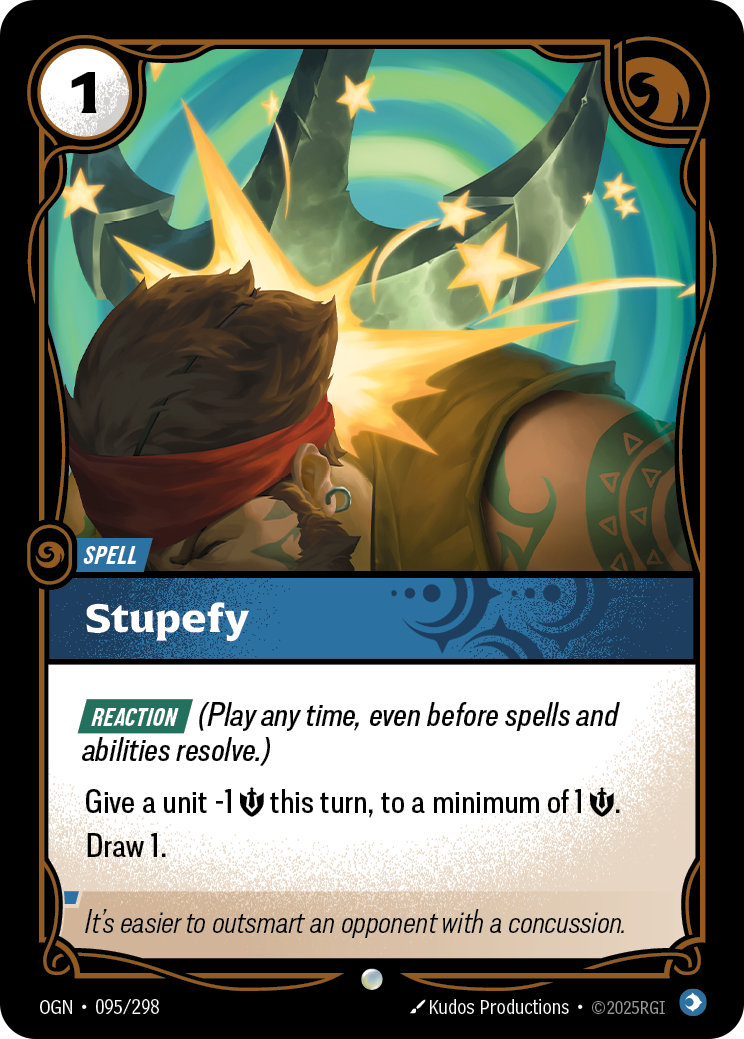
Stupefy (E:1)
Your reactive protection. Reaction timing means you can respond to removal targeting your key units or interrupt opponent combo pieces. The one-energy cost with Kai'Sa active makes this essentially free, allowing you to hold up interaction while still developing your board. Crucial against spell-based decks trying to remove your threats.
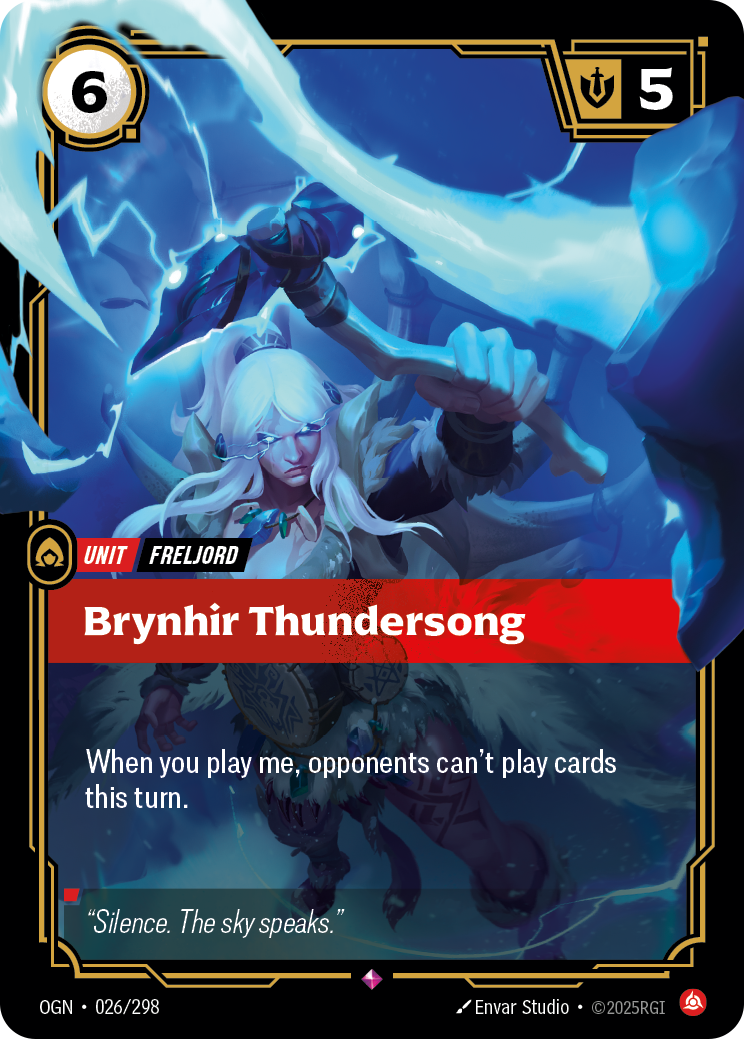
Brynhir Thundersong (E:6/M:5)
The single copy acts as a trump card in specific situations. Playing Brynhir locks opponents out of responding for the rest of the turn, letting you resolve critical threats or set up lethal without fear of interaction. Use this when you need to force through a game-ending play or protect a key unit from removal.
Matchup Analysis
The Guangzhou-winning configuration excels against unit-based aggressive strategies while maintaining game against control through efficient threats and card advantage, though it faces challenges from combo decks that ignore battlefield interaction.
Strengths
Aggressive unit decks fold to your removal density. Hextech Ray, Falling Star, and Cleave provide twelve main-deck answers to early threats, and Production Surge creates blockers that gum up attacks. Your life total becomes a resource you can spend freely knowing you'll stabilize around turn four or five. Against midrange strategies, your late-game units outclass theirs while your removal prevents them from building meaningful board presence.
The deck handles mirror matches well because Kai'Sa's rune generation provides more resources than opponent Legends in longer games. Your threat density with eight large units (three Thousand-Tailed Watcher, two Ferrous Forerunner, two Darius, one Brynhir) means you eventually overwhelm their removal. Void Gate makes your removal more efficient in damage races.
Weaknesses
Fast combo decks that win before turn six present problems. Your interaction suite focuses on units rather than disrupting opponent game plans, and you lack hand disruption to strip key combo pieces. Against these matchups, you're racing with Darius or hoping to land Brynhir Thundersong at the right moment to lock them out of their combo turn.
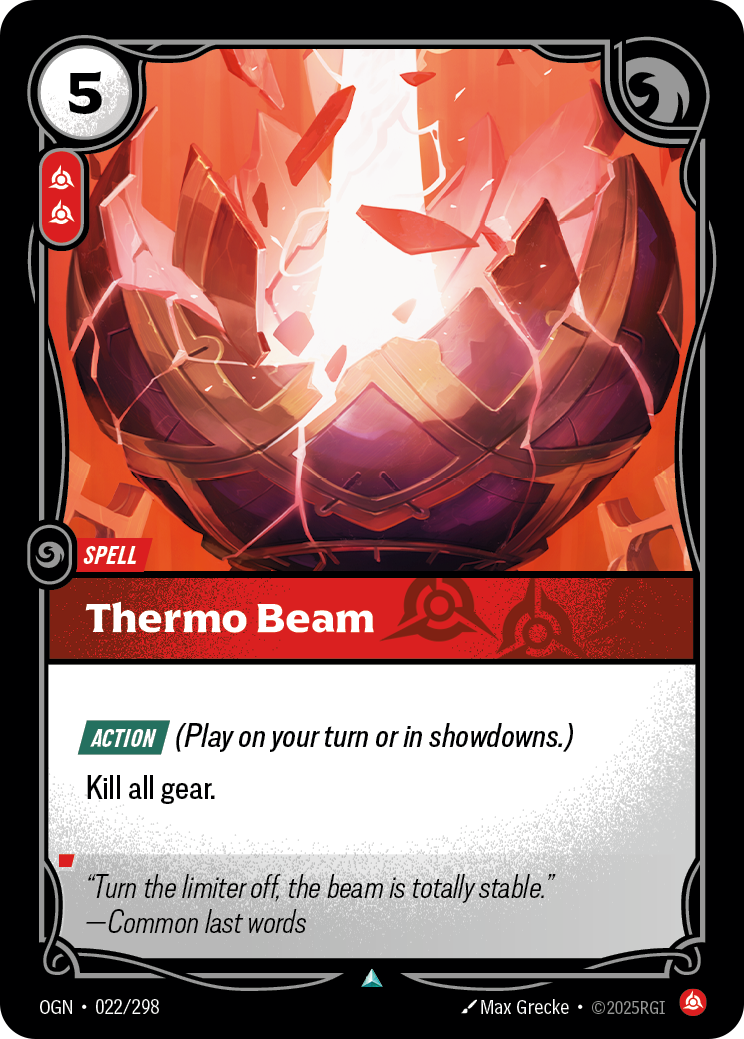
Decks running heavy gear strategies can be problematic game one. You have one main-deck Thermo Beam, but if opponents build their strategy around gear-based engines, that single copy may not arrive in time. This is why the sideboard includes two additional Thermo Beams for games two and three.
Control decks with bigger late-games can outlast you if they answer your initial threats. Thousand-Tailed Watcher is your best card in these matchups, but if they have exile-based removal or can go over the top with even larger threats, you can run out of gas despite Kai'Sa's rune generation.
Sideboard Strategy
Your sideboard addresses specific weaknesses while providing additional copies of situational main-deck cards. Against aggressive decks, you're already favoured, so sideboarding involves trimming your slowest cards for additional early interaction. Against control, you want to maximize threats while cutting conditional removal that may not have targets.
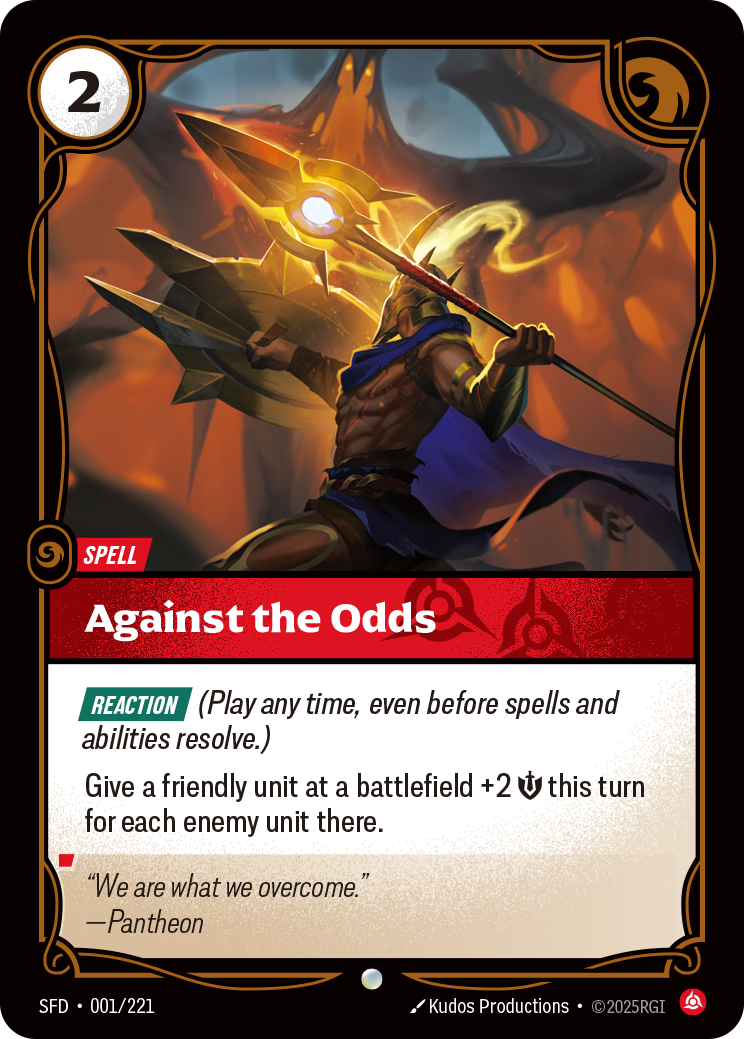
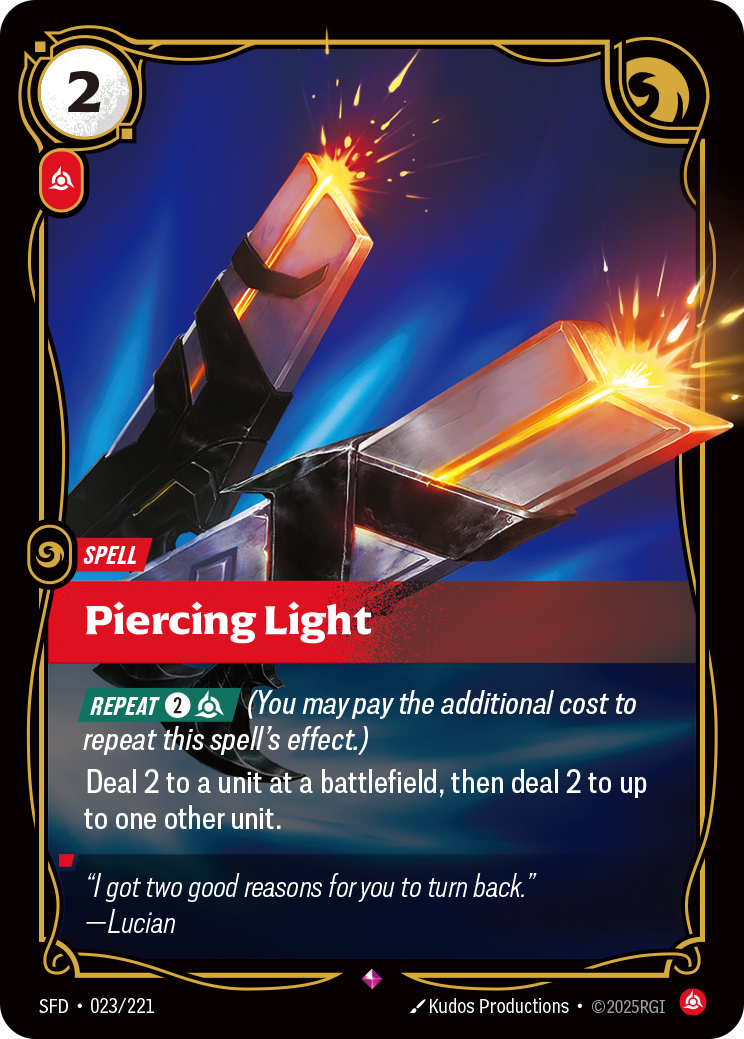
The two Piercing Light provide repeatable removal for matchups where you need to answer multiple large threats. Against ramp or late-game strategies, paying the repeat cost generates massive value. Two Against the Odds protect your key threats from removal in matchups where landing a single Thousand-Tailed Watcher or Darius wins the game.
Sideboard Guide
Specific sideboard plans for common matchups help you navigate games two and three after you've identified your opponent's strategy.
Vs. Aggressive Unit Decks
In: +2 Thermo Beam, +1 Bellows Breath, +2 Piercing Light
Out: -1 Brynhir Thundersong, -1 Time Warp, -2 Darius, Trifarian, -1 Icathian Rain
You're already favoured, so maximize early interaction. Thermo Beam kills gear-based engines some aggressive decks use. Piercing Light provides efficient removal for their mid-sized threats. Cut your slowest cards since you'll win by stabilizing rather than racing. Keep Production Surge and all your cheap removal.
Vs. Control
In: +2 Against the Odds, +2 Piercing Light
Out: -3 Hextech Ray, -1 Cleave
Trim your weakest removal since they won't present many units. Against the Odds protects your threats from their premium removal, and Piercing Light's repeat ability outvalues their answers. Keep Stupefy to protect key threats and Retreat to save units from exile effects. Brynhir Thundersong stays in as a way to force through threats.
Vs. Combo
In: +2 Against the Odds
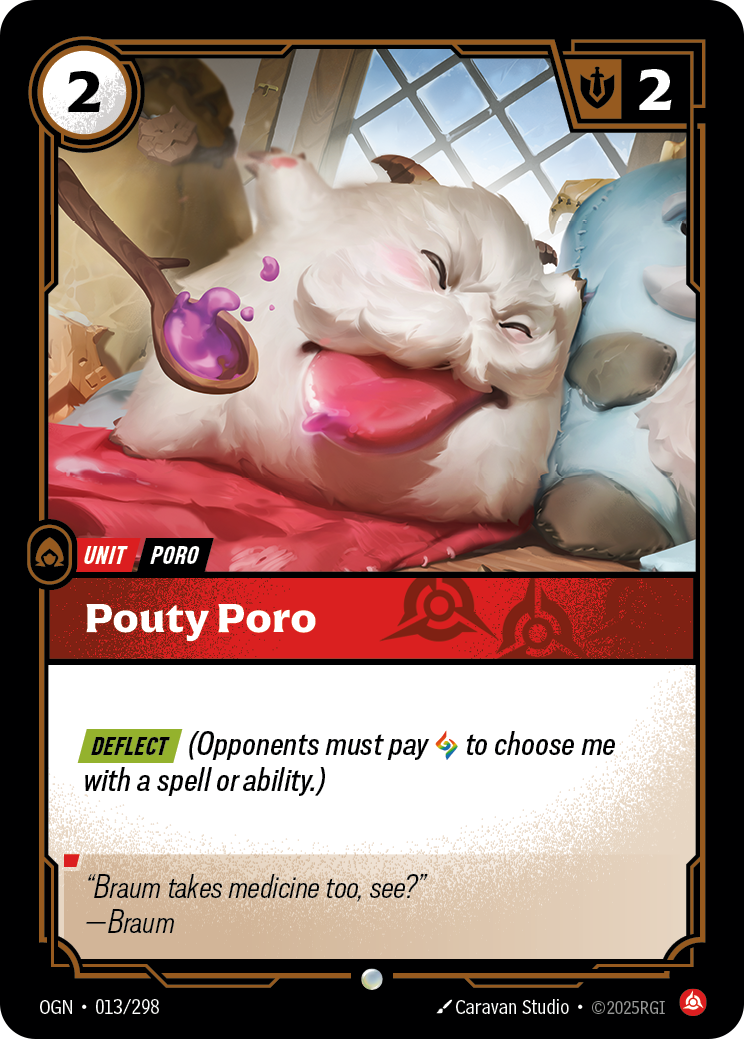
Out: -1 Pouty Poro, -1 Plundering Poro
Your game plan is racing with Darius while using Brynhir to lock them out of their combo turn. Against the Odds can protect Darius from removal, letting you get in additional attacks. Keep all your threats and cut the weakest units. This matchup is unfavourable, so your sideboard plan focuses on maximizing your limited outs rather than trying to disrupt them.
Vs. Gear-Based Strategies
In: +2 Thermo Beam, +1 Bellows Breath
Out: -1 Pouty Poro, -1 Plundering Poro, -1 Cleave
Three Thermo Beams post-board gives you consistent access to gear removal. Bellows Breath's repeat option can clear multiple pieces of gear if they rebuild. Cut your weakest units since the matchup revolves around answering their engine pieces rather than battlefield combat.
Budget Alternatives
The Guangzhou list runs several rare and epic cards that drive up the total cost, but you can build a functional version with strategic substitutions while maintaining the core strategy.
| Expensive Card | Budget Alternative | Notes |
|---|---|---|
| Thousand-Tailed Watcher (Rare) | Additional Ferrous Forerunner or large commons | Loses the Accelerate flexibility but maintains late-game threat density |
| Falling Star (Rare) | Additional Hextech Ray or common burn | Less efficient but still provides removal; run 4-5 total burn spells |
| Icathian Rain (Epic) | Any large burn spell or additional Cleave | This is a flex slot anyway; the deck functions without it |
| Brynhir Thundersong (Rare) | Additional Stupefy or Retreat | Loses the lockout effect but gains more consistent interaction |
| Darius, Trifarian (Rare) | Other 5-6 cost units with immediate impact | Significantly weakens your racing capability but maintains threat count |
The Legend and Champion are non-negotiable since the entire strategy revolves around Kai'Sa's rune generation. Forecaster, Production Surge, and your common removal spells form the functional core that must remain intact. If you're building on a budget, prioritize getting playsets of these commons and uncommons first, then gradually upgrade to the rare threats as your collection grows.
Where to Buy Riftbound Singles in Toronto
Buy These Riftbound Singles on Anime Alley In Stock
Kai'Sa - Daughter of the Void (247/298) - Origins Foil


Looking for more Riftbound singles in Toronto?
Anime Alley ships across Canada with local pickup available in the GTA.
Browse Riftbound Singles on Anime AlleyBrowse Singles on Anime Alley
Find the cards mentioned in this guide at competitive Canadian prices with fast shipping.
Shop Now

