

Irelia, Blade Dancer Deck Guide Competitive Riftbound (2026)
Irelia, Blade Dancer secured 5th place at the Guangzhou City Challenge by exploiting movement-based card advantage while protecting key threats with a dense suite of reactive countermagic. This tempo-control hybrid leverages Calm and Choas  runes to generate value through repeated unit repositioning, drawing cards off Stellacorn Herder triggers while maintaining board presence through Deflect champions that demand premium removal. The deck's success comes from its ability to out-resource opponents in longer games while maintaining enough disruption to survive aggressive starts, making it a versatile choice in the current metagame. Canadian players looking to build this list can find Riftbound singles in Toronto through specialized retailers that stock competitive staples at reasonable prices.
What separates this Irelia list from other movement-focused strategies is its commitment to protection rather than all-out aggression. With 11 reaction spells in the main deck and two Deflect champions, you're forcing opponents to fight through multiple layers of interaction before they can establish their gameplan. The movement package isn't about racing—it's about generating incremental advantage while your protected threats close out the game.
【City Challenge】Guangzhou Station - #5
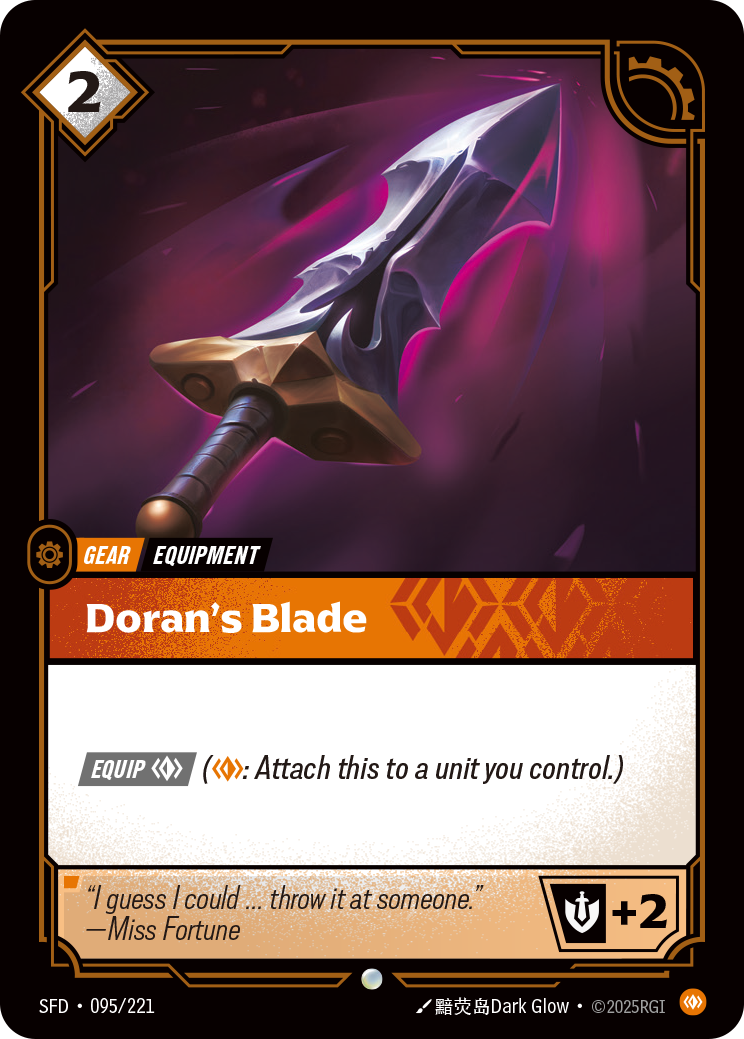
 ×3
×3
 ×3
×3
 ×3
×3
 ×3
×3
 ×3
×3
 ×2
×2
 ×2
×2
 ×2
×2
 ×2
×2
 ×2
×2
 ×2
×2
 ×2
×2
 ×2
×2
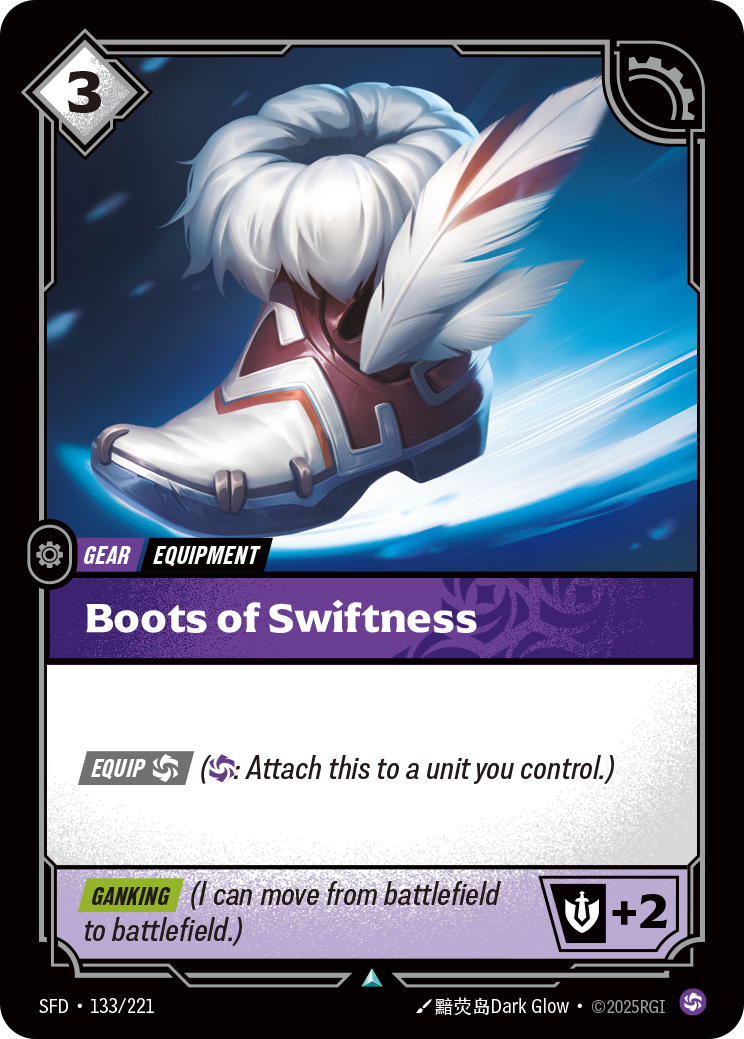
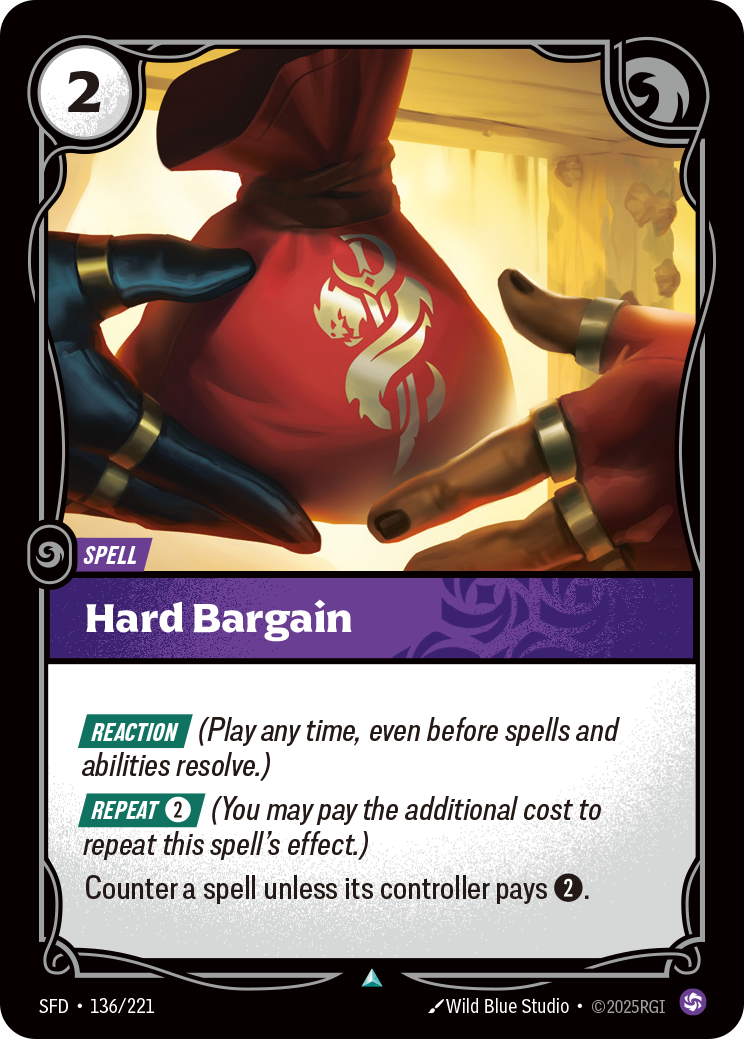
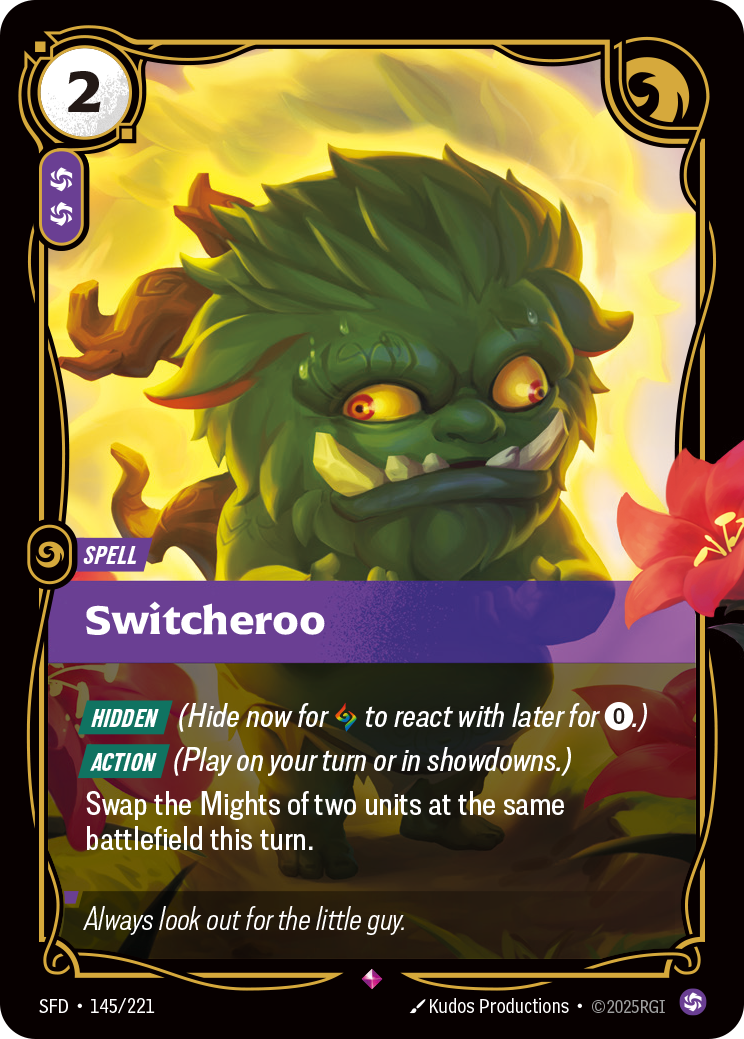
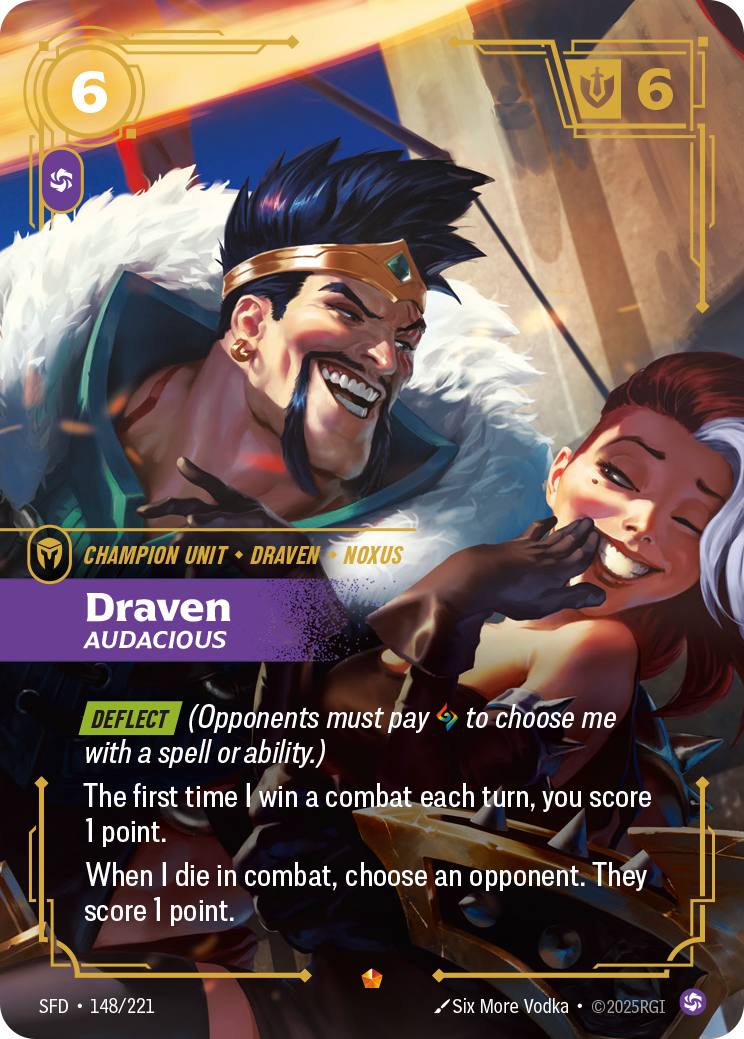 ×2
×2
 ×3
×3
How This Deck Works
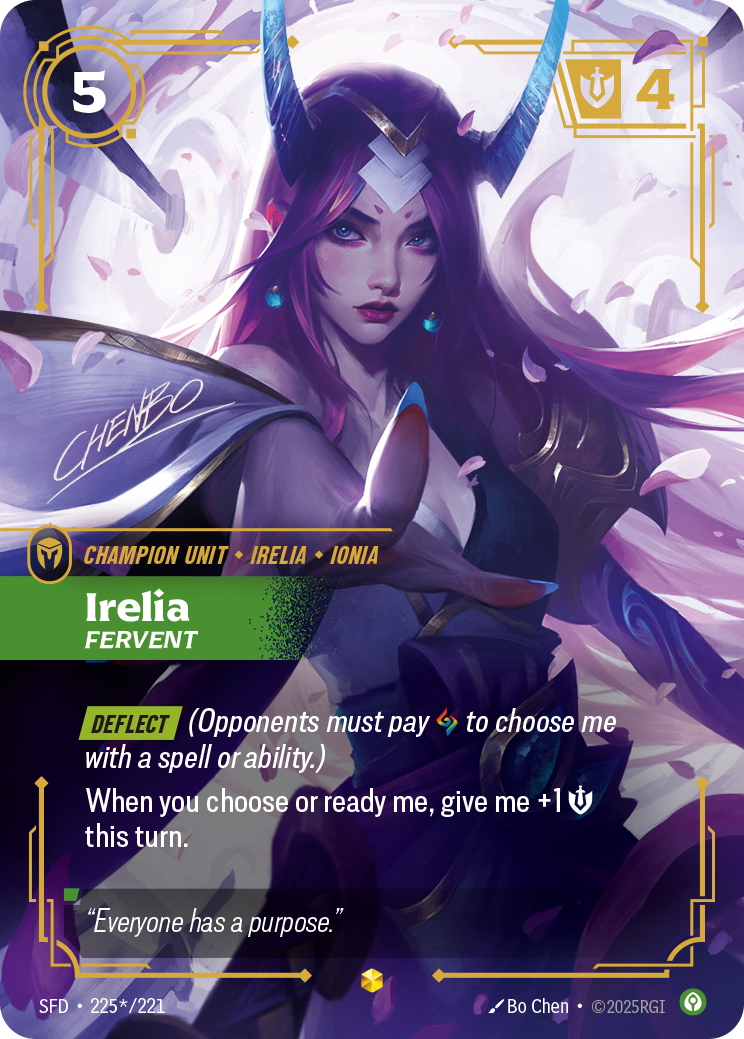
This deck operates as a tempo-control hybrid that generates card advantage through movement triggers while protecting its threats with countermagic and Deflect abilities. Irelia, Blade Dancer as your Legend provides a 2-energy equipment that grants additional utility to your units, though the real star is Irelia, Fervent—a 5-energy 4-might Calm champion with built-in Deflect that forces opponents to spend an extra rainbow rune just to target her with removal or abilities.
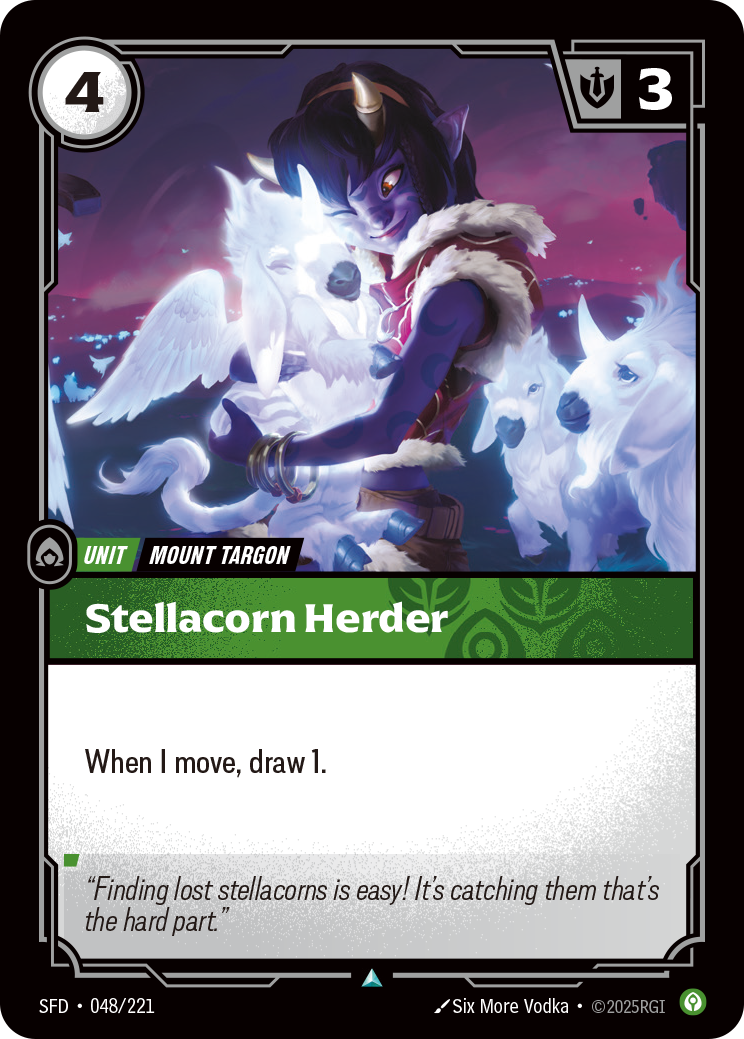
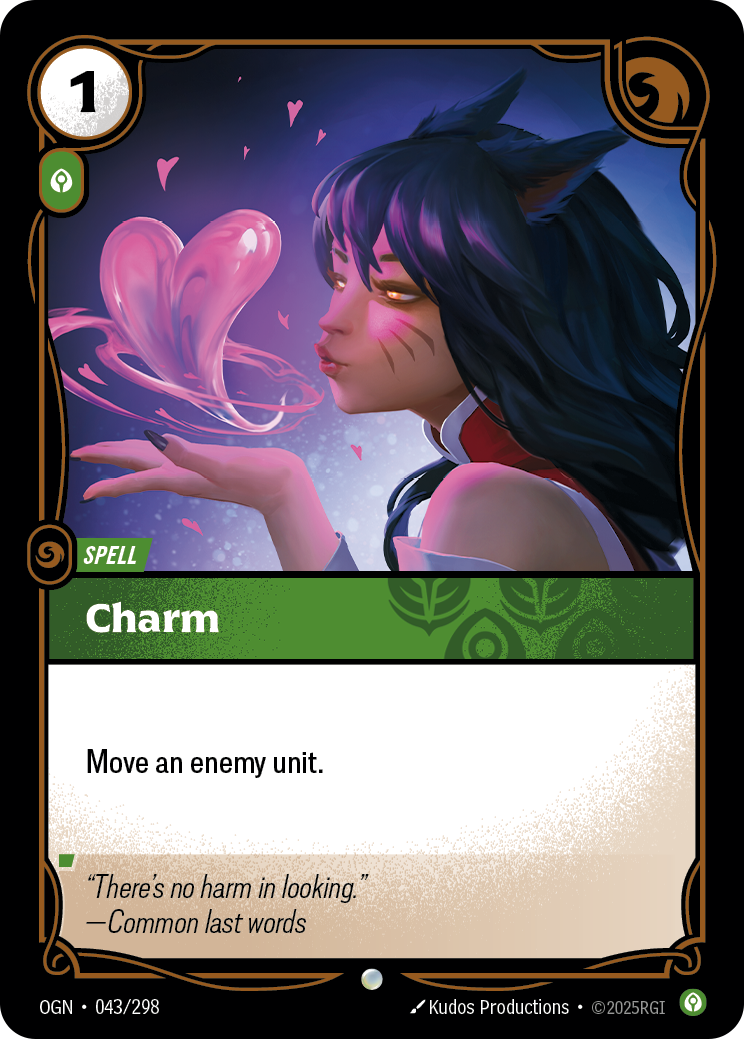
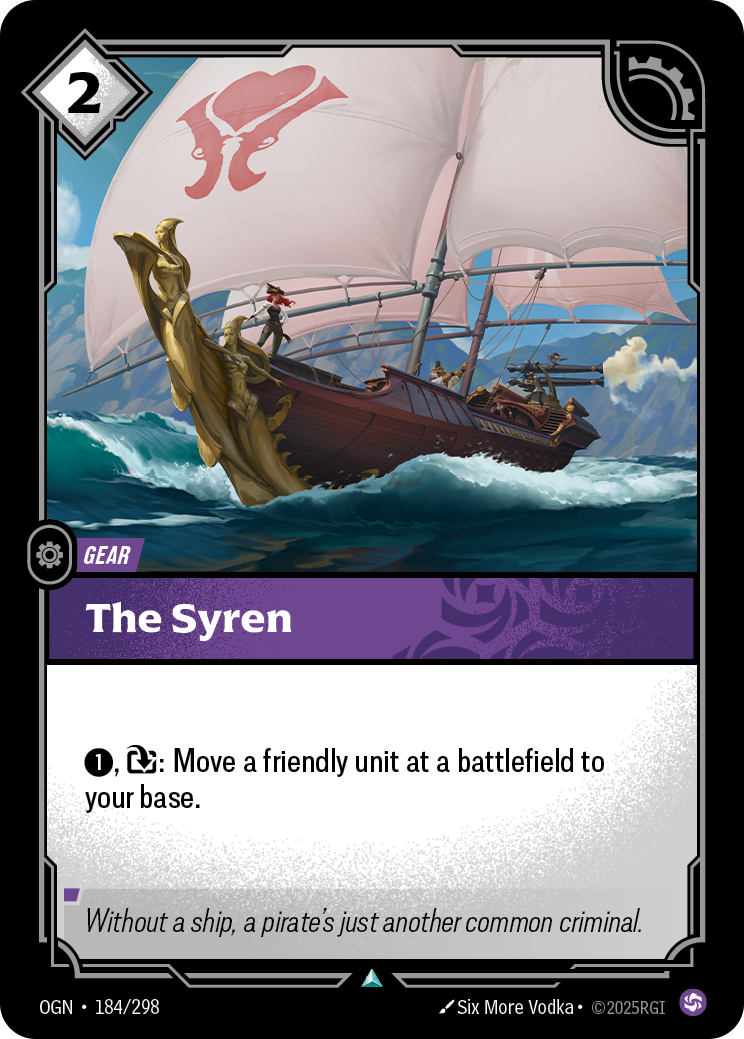
The core engine revolves around Stellacorn Herder, a 4-energy 3-might unit that draws a card every time it moves. With 3 Ride the Wind, 2 Charm, 1 The Syren, and various other movement effects, you're frequently drawing 2-3 extra cards per game off a single Herder. This card advantage fuels your reactive gameplan, ensuring you always have the right answer when opponents try to resolve their key spells.
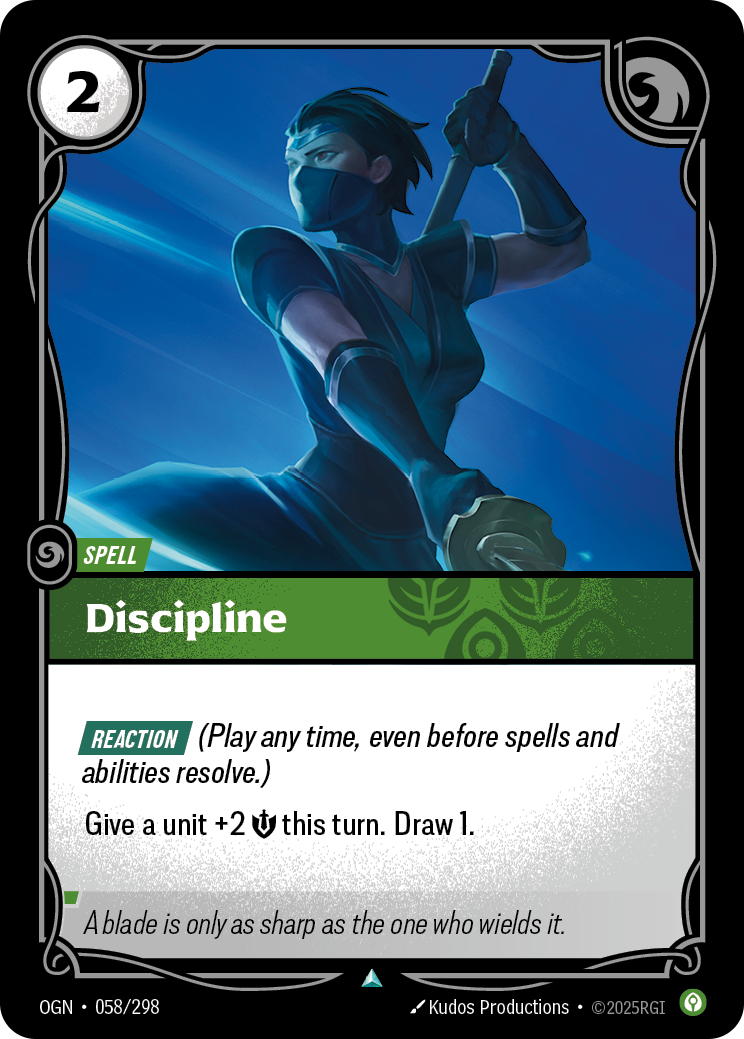
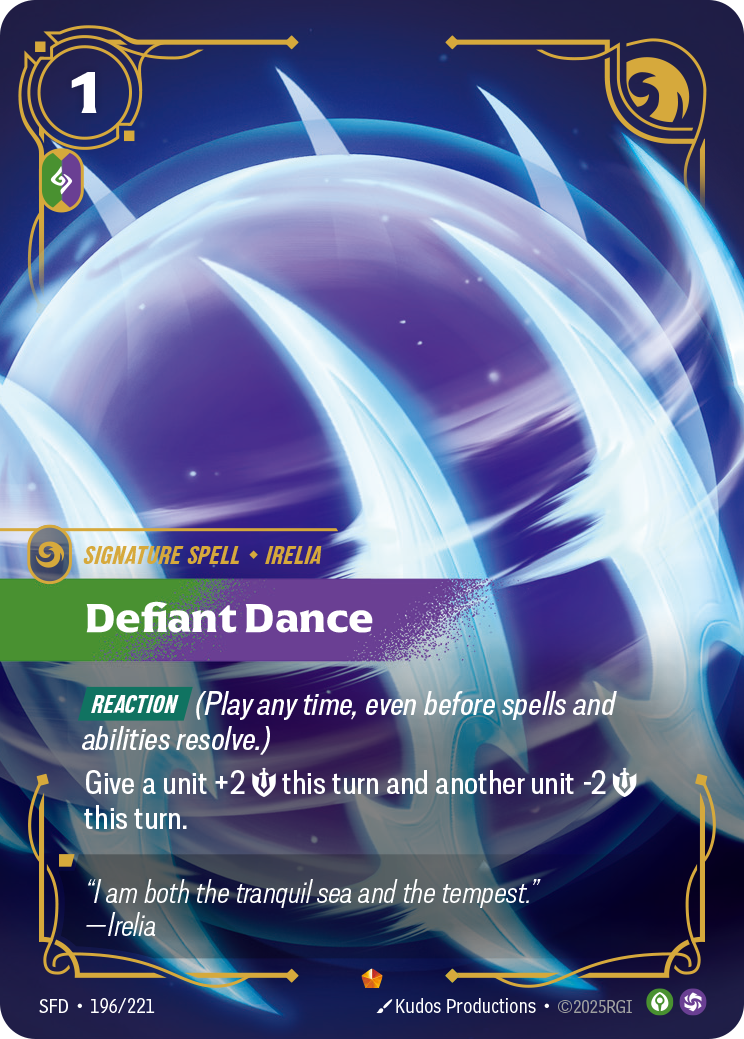
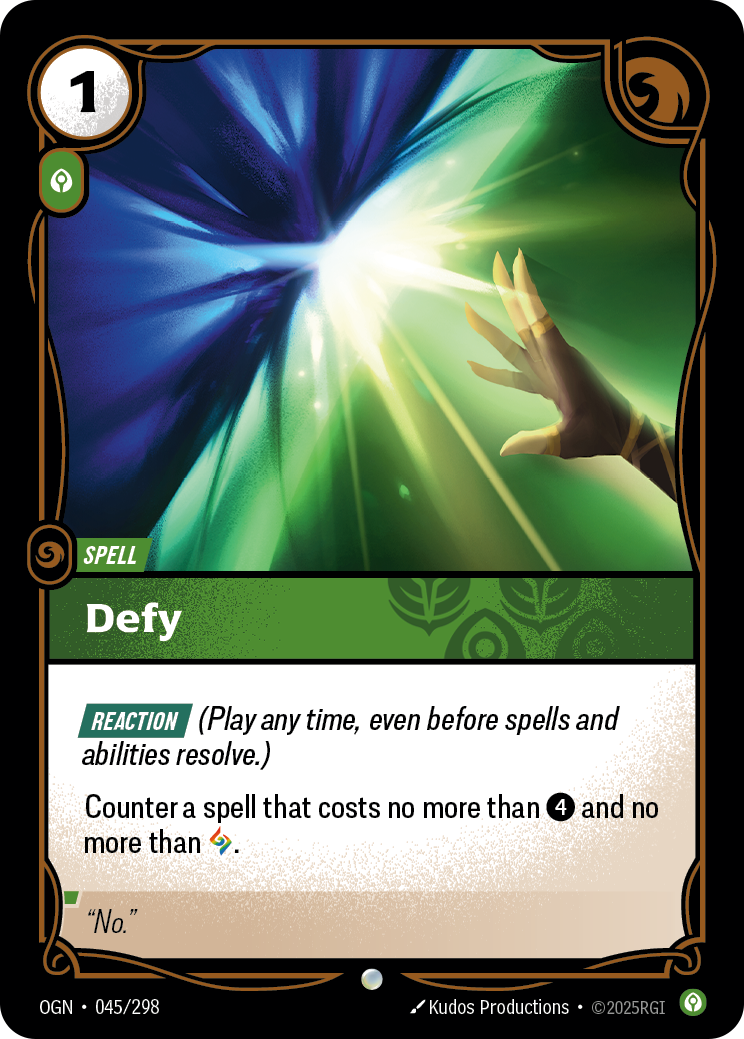
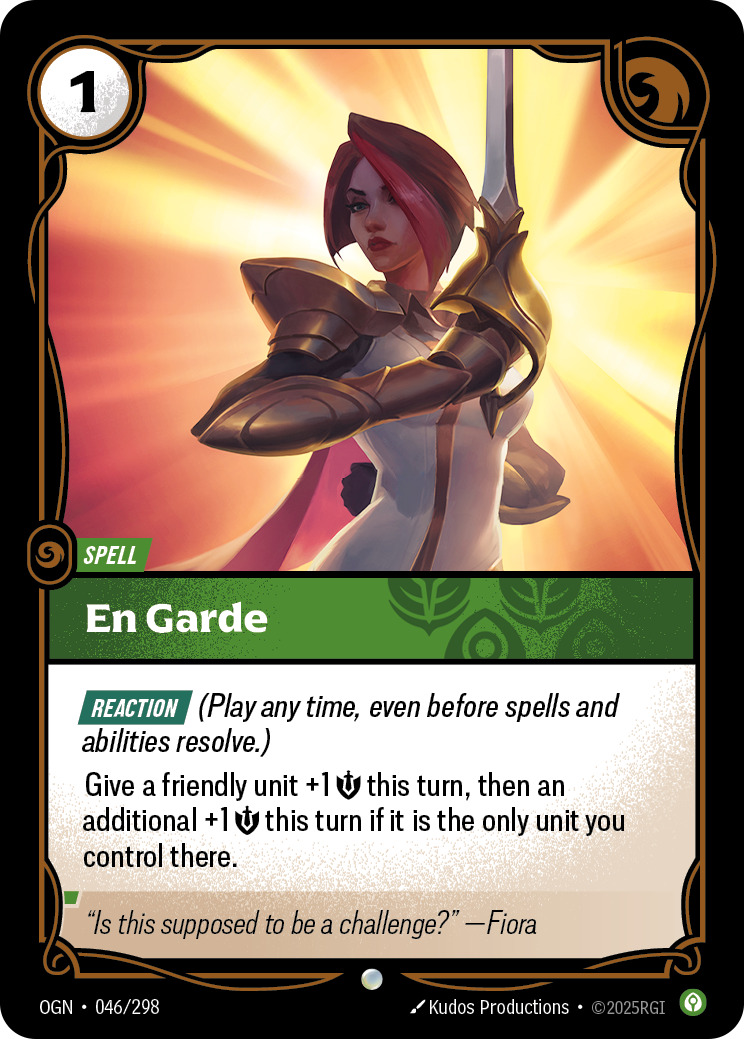
Your win condition is straightforward: land Irelia, Fervent or Draven, Audacious (a 6-energy 6-might Chaos champion with Deflect), protect them with your 11 reaction spells, and beat down while maintaining card parity through movement triggers. The Deflect ability is crucial here—opponents must pay an additional rainbow rune to target these champions with spells or abilities, which often means they simply can't remove them efficiently. When you're holding up Defy, Not So Fast, or Defiant Dance, removing a Deflect champion becomes a three-card problem for your opponent.
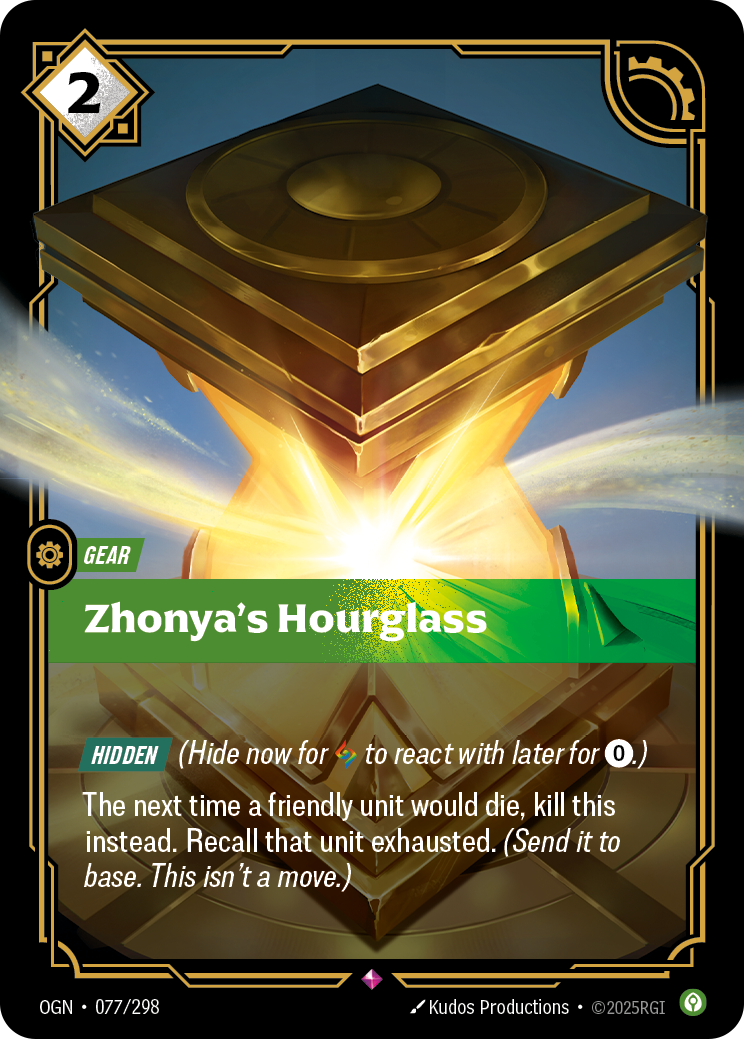
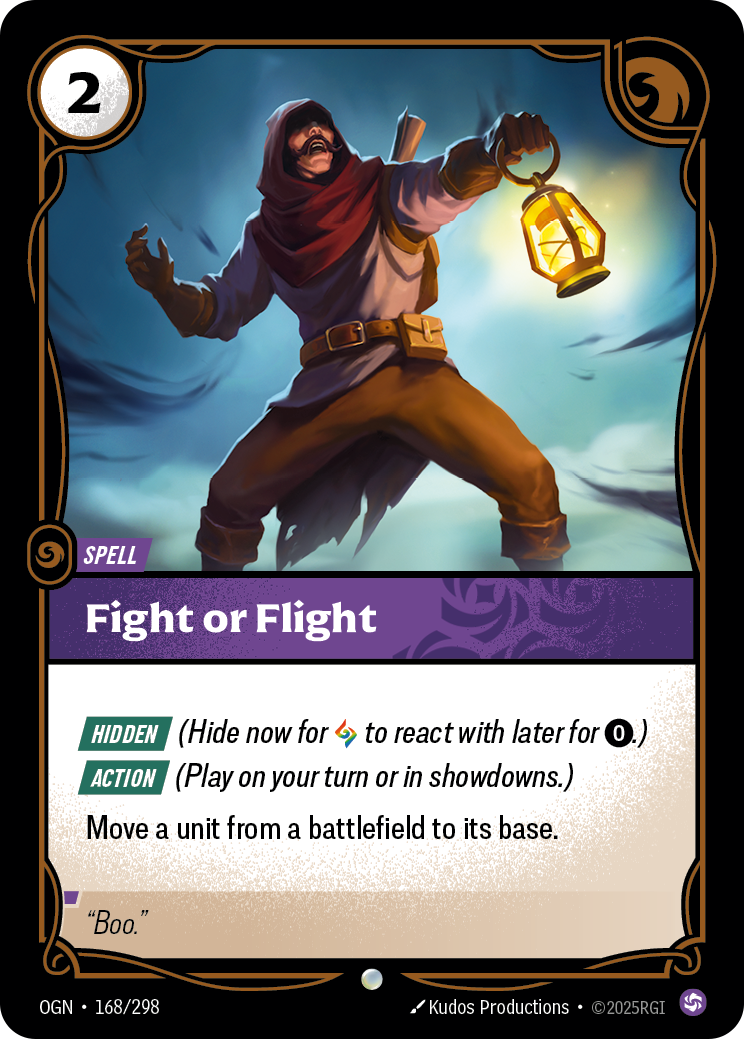
The Hidden mechanic appears on Tideturner, Zhonya's Hourglass, Fight or Flight, and Switcheroo. These cards can be played face-down for a rainbow rune, then flipped up later for zero energy as reactions. This creates enormous tempo swings—you're developing board presence or setting up protection while keeping mana available for other plays. Tideturner in particular is deceptively powerful: a 2-energy 2-might unit with Chaos typing that you can hide early and flip during combat to surprise block or trigger movement synergies.
The Calm/Chaos rune split (6 of each) supports your diverse spell requirements perfectly.  runes power your defensive suite (Defy, Not So Fast, En Garde, Discipline) while runes enable your proactive plays (Ride the Wind, Rebuke, Draven). The rune recycling triggers on both rune types let you generate Gold gear tokens by exhausting your Legend, providing additional value in grindy matchups.
Key Cards Breakdown
Understanding which cards win games and which are role-players is essential to piloting this deck correctly. Here's what matters most in competitive matches.
Irelia, Fervent (5 Energy, 4 Might)
Your primary win condition. The Deflect ability combined with Calm typing makes her incredibly difficult to remove profitably. Opponents need to spend a premium removal spell plus a rainbow rune, and if you're holding up a counter, they often need a second spell ready. She's not the biggest threat on raw stats, but the protection she provides herself makes her a must-answer that rarely gets answered cleanly. Mulligan aggressively for her in slower matchups.
Stellacorn Herder (4 Energy, 3 Might)
The card advantage engine. Every movement trigger draws you a card, which means a single Herder with Ride the Wind represents a 3-mana cantrip that also repositions your threat. In games where you land Herder on turn 4 and untap with it, you're frequently drawing 2-3 extra cards before it dies. The 3 might is relevant for contesting battlefields, and the Calm typing synergizes with your defensive spells. This is often your turn 4 play when you don't have Irelia.
Defiant Dance (1 Energy, 1 Power)
The most flexible protection spell in the deck. As a Calm/Chaos hybrid Signature spell, it works with all your runes and costs only 1 energy as a Reaction. It gives a unit +2/+2 or similar stats (the exact buff depends on Signature mechanics), which is enough to win combat or survive removal. The 1 power means it generates value even when cast proactively. Having access to this at instant speed while holding up other counters creates impossible decision trees for opponents.
Draven, Audacious (6 Energy, 6 Might)
Your late-game closer. The 6 might is a legitimate clock—he conquers battlefields in 2-3 attacks and ends games quickly once protected. Like Irelia, the Deflect ability makes him extremely difficult to remove, and at 6 energy he comes down when you have mana to protect him immediately. The Chaos typing means he doesn't compete with Irelia for calm runes, allowing you to deploy both in the same turn sequence if the game goes long.
Defy (1 Energy)
Clean counterspell. 1 energy to counter any spell is the going rate, and you're playing 2 main with a third in the sideboard. This is your answer to combo finishers, sweepers, and opposing Deflect-bypassing removal. The Calm typing means it competes with Irelia and your other defensive spells, so rune management matters. Save this for spells that actually win the game—don't blow it on a cantrip.
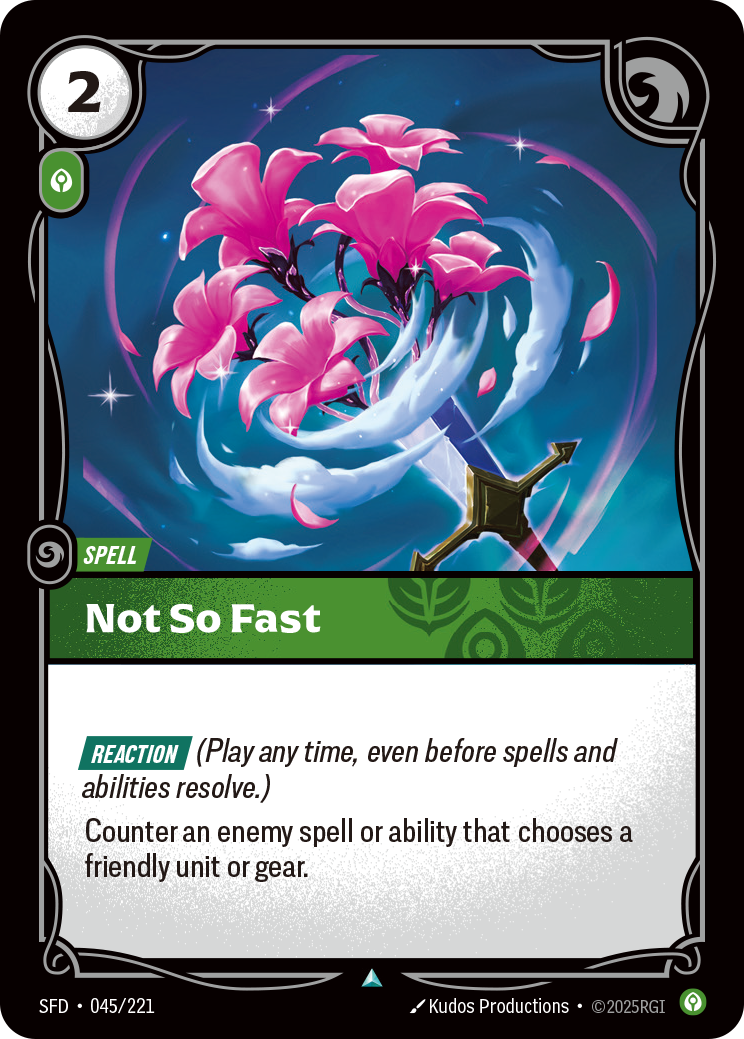
Not So Fast (2 Energy)
Your answer to activated abilities and equipment. At 2 energy it's more expensive than Defy, but it hits a different category of threats. This counters opposing gear activations, Legend abilities, and unit triggers that would otherwise be uncounterable. The versatility justifies the cost in a metagame full of equipment-based strategies.
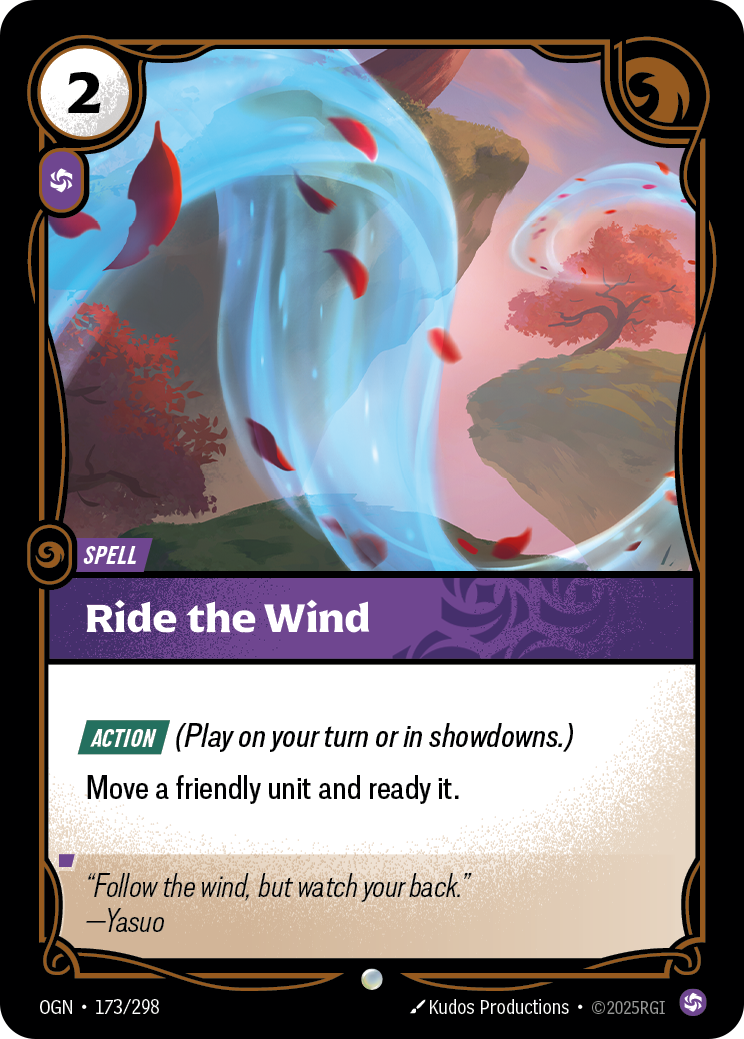
Ride the Wind (2 Energy, 1 Power)
Movement and tempo in one card. Moving a unit and readying it means you're getting an extra attack or block, plus triggering Stellacorn Herder if it's on board. The 1 power means you're generating incremental value even in games where the movement doesn't matter. At 2 energy it's efficient enough to cast multiple times per game, and the Chaos typing keeps it off your calm rune pile.
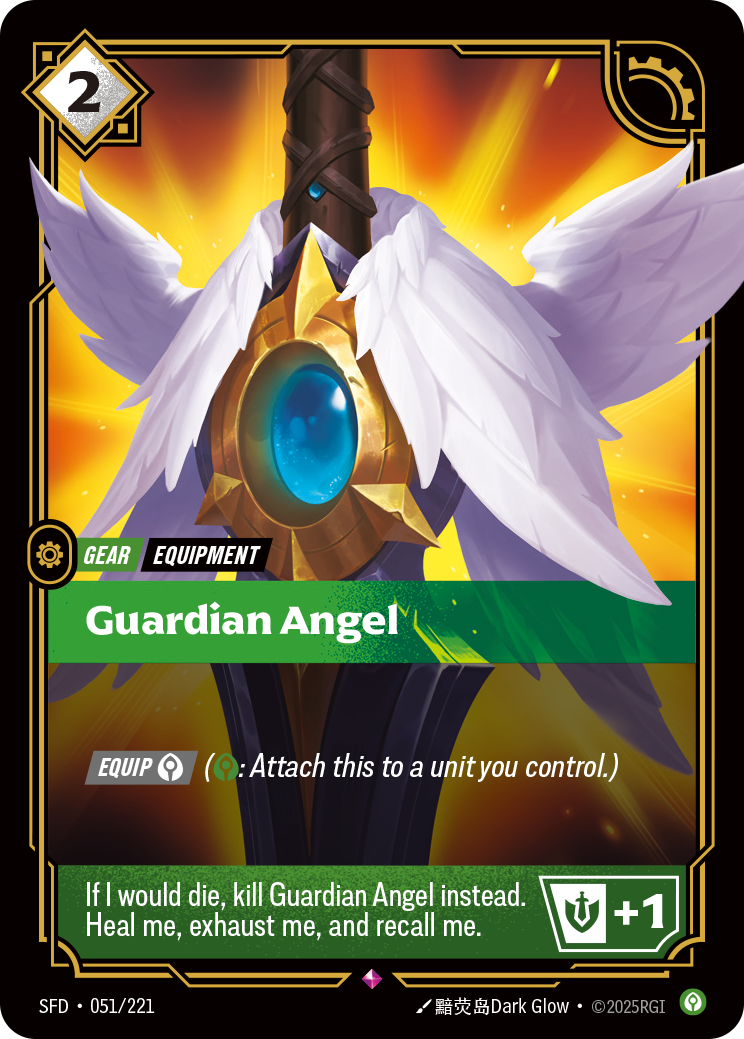
Guardian Angel (2 Energy, 1 Might)
Equipment that grants protection from death. The exact mechanics likely involve preventing lethal damage or returning the unit to play, and at 2 energy with Calm typing it fits perfectly into your defensive gameplan. Equipping this to Irelia or Draven creates a threat that requires multiple removal spells, exhausting your opponent's resources while you continue drawing cards.
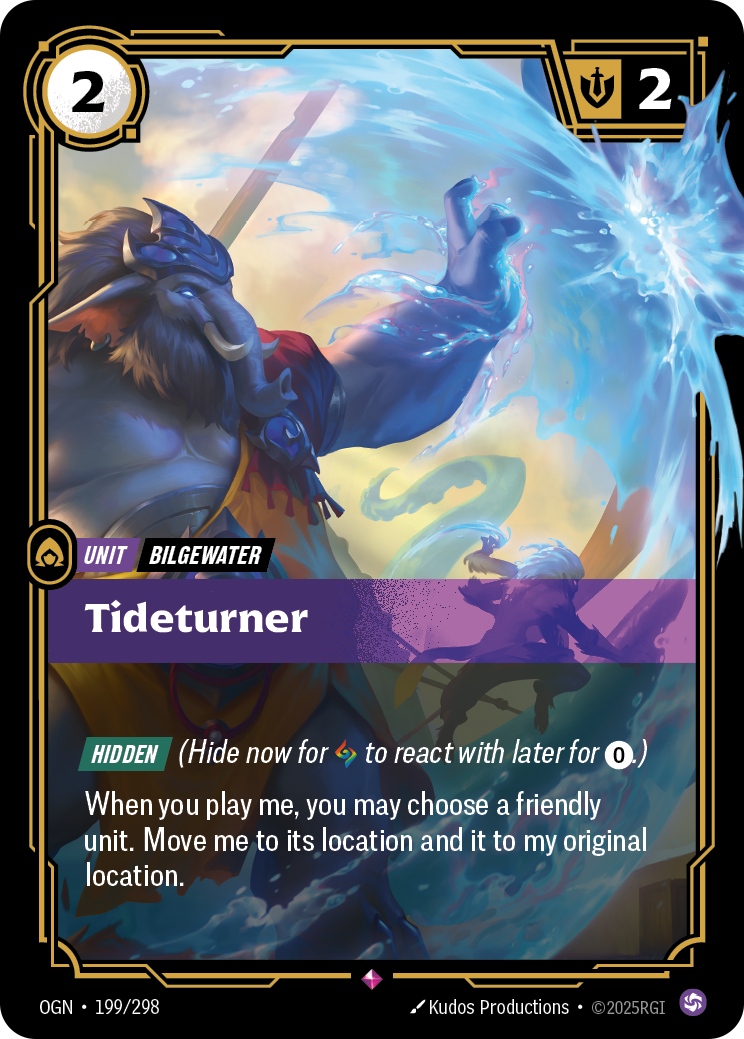
Tideturner (2 Energy, 2 Might)
Hidden unit that provides flexible board presence. You can play it face-down for a rainbow rune early, then flip it for free during combat or in response to removal. The 2/2 stats aren't impressive, but getting a free unit into play mid-combat or as a surprise blocker generates significant tempo. The Chaos typing means it synergizes with your aggressive battlefield conquests.
Zhonya's Hourglass (2 Energy)
Hidden gear that likely provides temporary invulnerability or phase-out effects. At 2 energy with Hidden, you're paying a rainbow rune now to have a free protection effect later. This is insurance against sweepers and targeted removal, and the ability to activate it at zero energy means you can protect your Deflect champions even when tapped out.
Matchup Analysis
This deck's strength lies in its adaptability—you can play the control role against aggro and the tempo role against slower decks. Understanding when to pivot between these roles determines your win rate.
Strengths
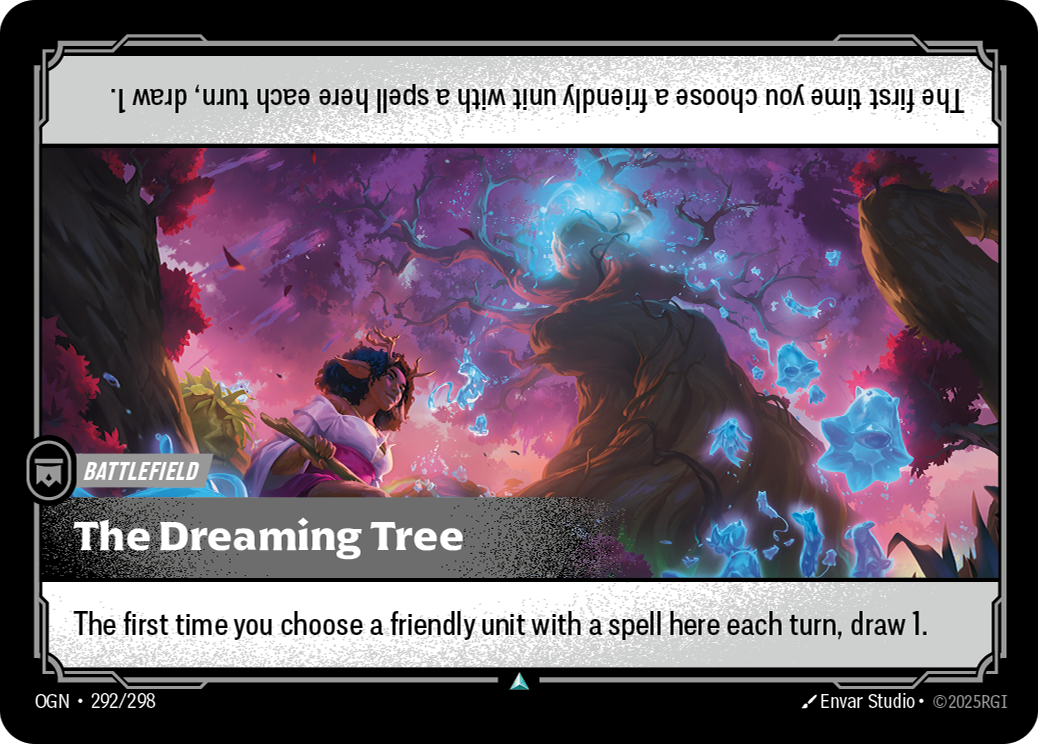
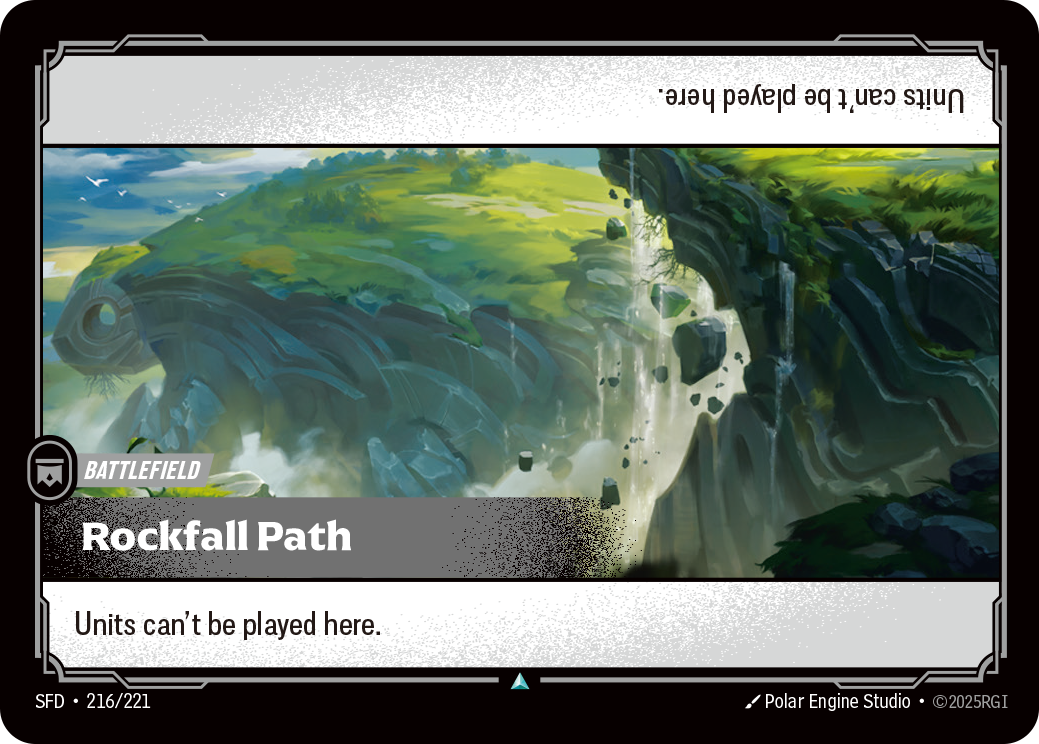
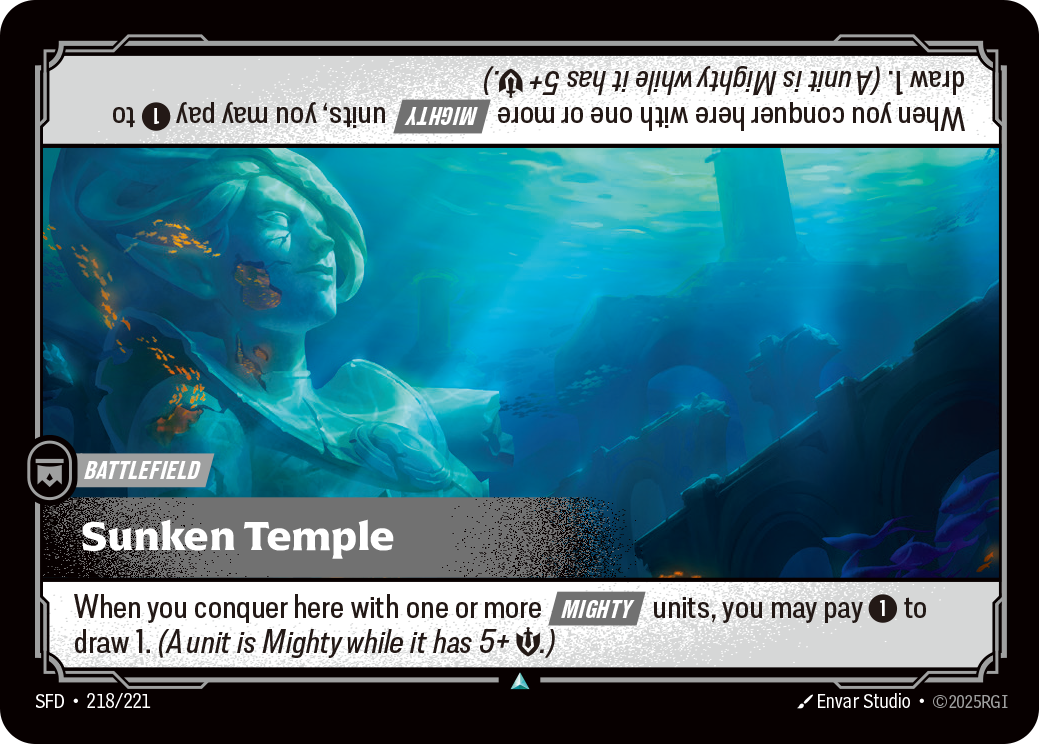
You dominate midrange mirrors and creature-based strategies. Deflect champions backed by countermagic create board states where opponents simply can't interact profitably. Your 11 reaction spells mean you're almost always holding up interaction, which slows down combo decks and forces them to play around multiple counters. The movement-based card draw ensures you don't run out of resources in grindy games, and your battlefield suite (The Dreaming Tree, Rockfall Path, Sunken Temple) provides additional angles of attack.
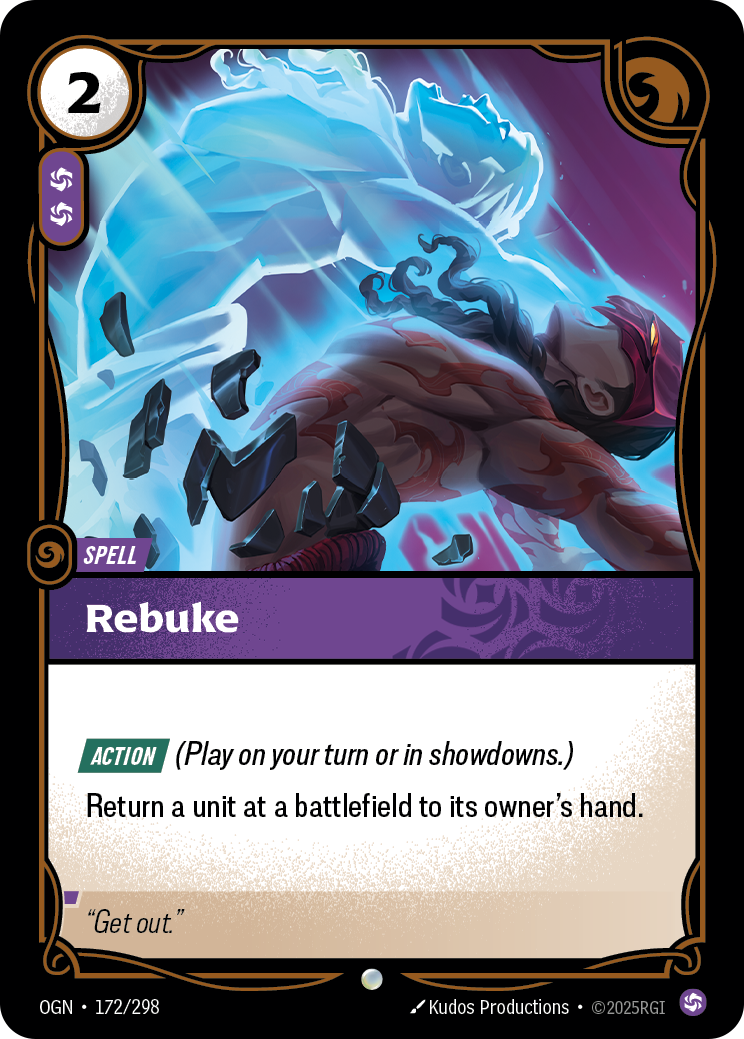
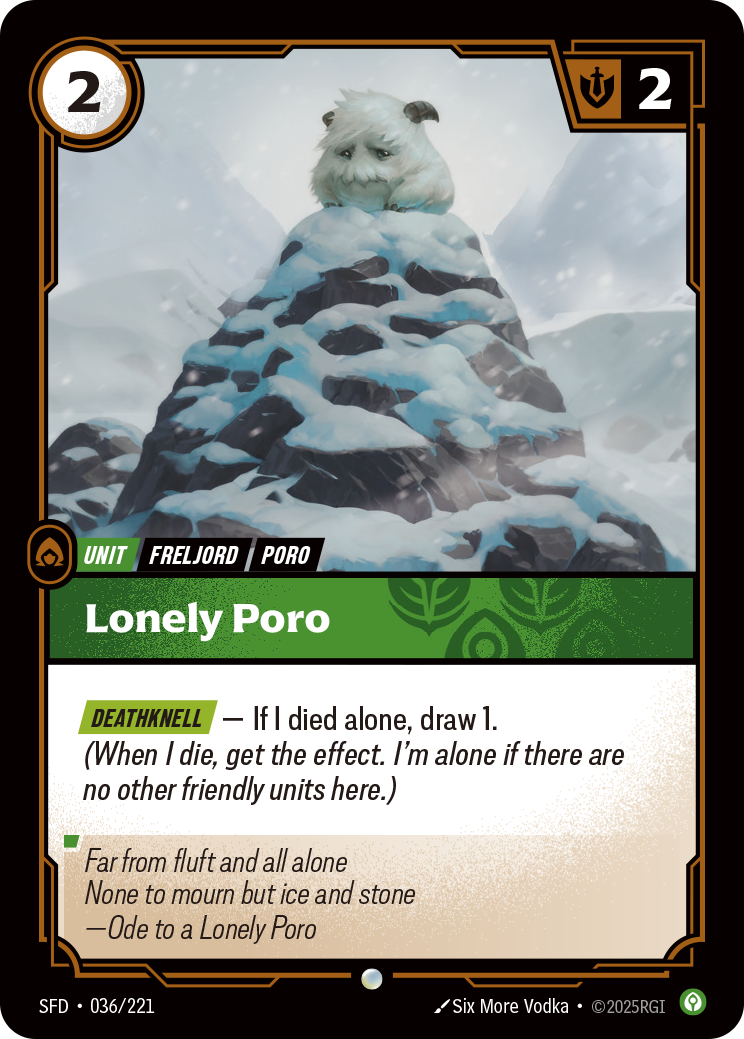
Against aggressive decks, your early blockers (Tideturner, Lonely Poro from the sideboard) combined with life-gain or damage prevention from gear stabilizes the board. Rebuke bounces their key threats, and once you land Irelia or Draven with protection, they can't race. The Dreaming Tree battlefield rewards you for targeting your own units with movement spells, which means you're drawing extra cards while developing your defence.
Weaknesses
Pure control decks with sweepers and inevitability can grind you out if they answer your Deflect champions cleanly. You're playing a creature-based strategy, which means mass removal hurts. Your reactive spells are excellent at protecting individual threats, but if they're running 4-5 sweepers, you'll eventually run out of champions. The deck also struggles against strategies that ignore the board entirely—if they're winning through alternate win conditions or uninteractable combo pieces, your Deflect champions don't matter.
Fast combo decks that win before turn 5-6 can steal games if you don't draw your counters. You're only running 4 hard counters main deck (2 Defy, 2 Not So Fast), which means you're not favoured against decks that can chain multiple combo pieces in one turn. Your proactive disruption is limited to Rebuke and the occasional Charm on a key setup unit.
Sideboard Strategy
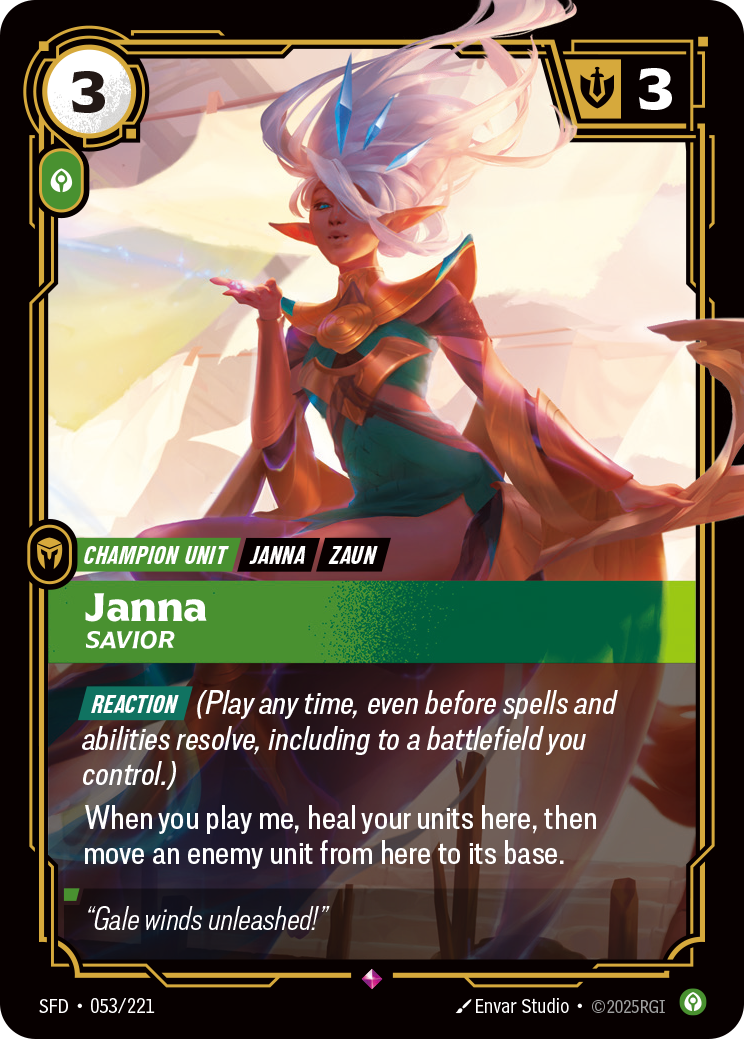
Against aggro, you're bringing in 3 Lonely Poro, 1 Defy, 1 En Garde, and potentially Janna, Savior. Lonely Poro provides early blockers that replace themselves when they die alone, which happens frequently against aggressive strategies that deploy multiple small threats. The extra Defy and En Garde give you more ways to protect your life total and key blockers.
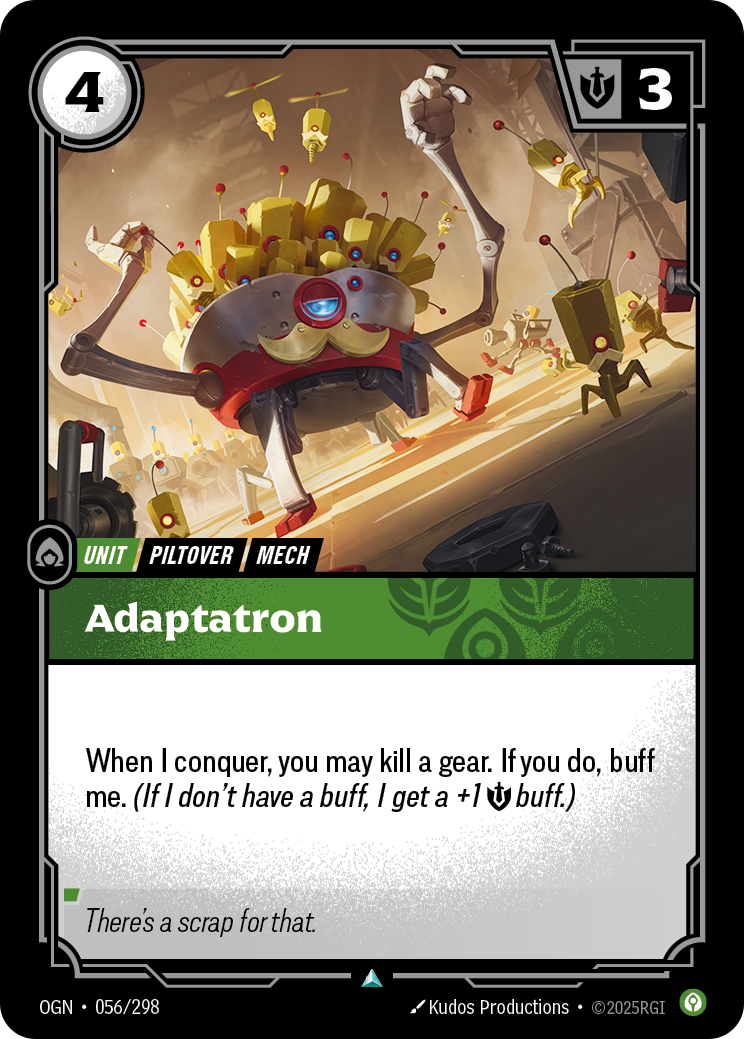
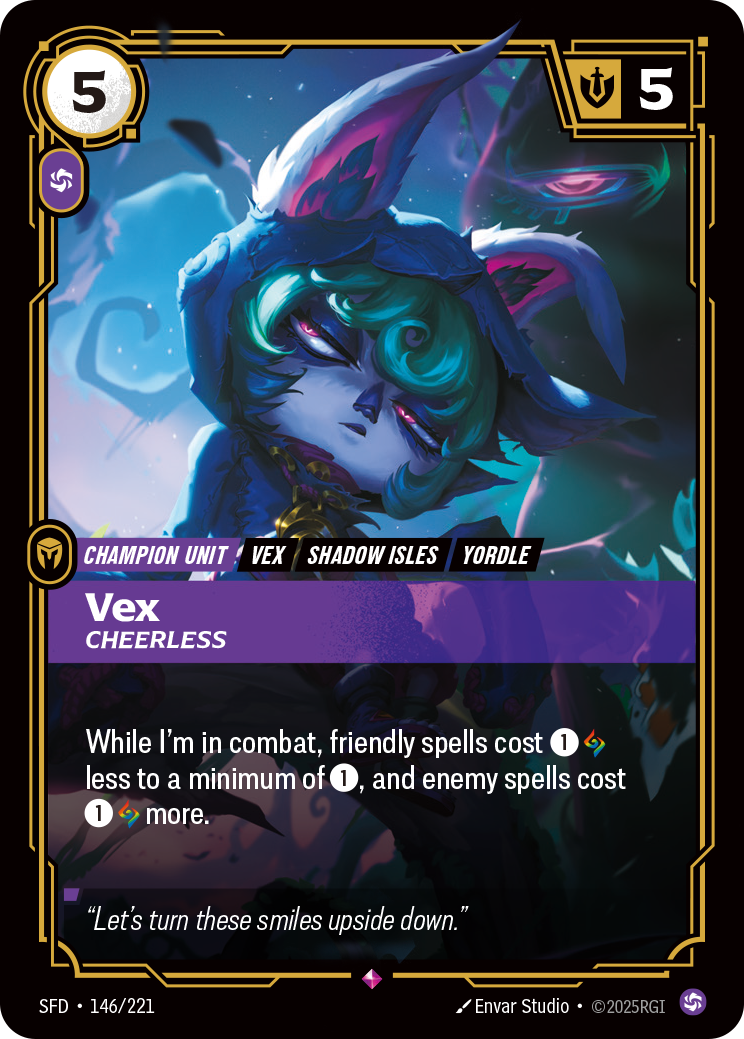
Against control, you're siding in Vex, Cheerless and potentially Adaptatron. Vex makes your spells cost 1 less while she's in combat, which means you can deploy threats and hold up protection simultaneously. Adaptatron provides a secondary threat that grows when you sacrifice gear, which happens naturally as games go long. You're cutting your expensive gear pieces and situational movement spells that don't pressure their life total.
Against combo, maximize your counterspells. The third Defy comes in, and you're cutting slow card draw engines like Stellacorn Herder that don't impact the board immediately. Hard Bargain becomes better here—the Repeat mechanic likely lets you counter multiple spells, which is exactly what you need against storm-style combo decks.
Sideboard Guide
Knowing exactly what to sideboard separates competent players from tournament winners. Here's the specific strategy for each sideboard card.
| Sideboard Card | Bring In Against | Cut From Main |
|---|---|---|
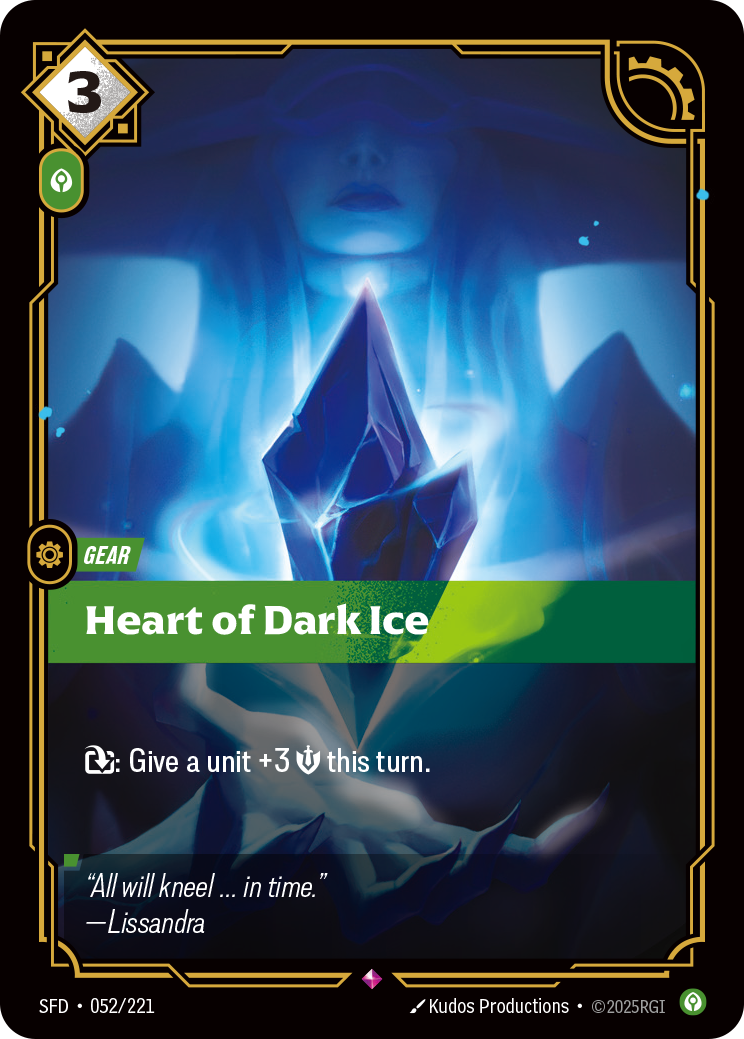
| 3× Lonely Poro | Aggro, creature swarm strategies | 1× Draven, 1× Stellacorn Herder, 1× Heart of Dark Ice |
| 1× Defy | Combo, control with key spells | 1× Charm or 1× Ride the Wind |
| 1× En Garde | Aggro, combat-focused decks | 1× Hard Bargain |
| 1× Adaptatron | Control, grindy midrange | 1× Discipline or 1× Tideturner |
| 1× Janna, Savior | Aggro, burn strategies | 1× The Syren |
| 1× Vex, Cheerless | Control, counter-heavy decks | 1× Guardian Angel or 1× Zhonya's Hourglass |
The key principle is matching your interaction to their threats. Against decks trying to go wide, you want cheap blockers and sweeper protection. Against decks trying to go big, you want counters and removal. Against decks trying to ignore you, you want faster clocks and cost reduction.
Don't over-sideboard. You're typically bringing in 3-5 cards maximum. Your core engine (Irelia, movement spells, key counters) stays in every matchup because that's what the deck does. You're trimming the least effective cards for the specific matchup, not rebuilding your entire strategy.
Budget Alternatives
This list runs several expensive cards—Defiant Dance, Guardian Angel, Zhonya's Hourglass, and the champion suite all carry premium price tags. If you're building on a budget, here's where you can compromise without destroying the deck's functionality.
Replace Guardian Angel with cheaper equipment that provides similar protection. Generic +1/+1 gear or equipment that grants temporary indestructibility will keep your threats alive, even if they're less efficient. You lose some percentage points in grindy matchups, but the core gameplan still functions.
Cut Draven, Audacious for additional copies of cheaper Chaos champions or large units.
Buy These Riftbound Singles on Anime Alley


Looking for more Riftbound singles in Toronto?
Anime Alley ships across Canada with local pickup available in the GTA.
Browse Riftbound Singles on Anime AlleyBrowse Singles on Anime Alley
Find the cards mentioned in this guide at competitive Canadian prices with fast shipping.
Shop Now

