

Annie, Dark Child Deck Guide — 1st Place - Regional Qualifier: Houston (2026)
Shawn Dhaliwal's Annie, Dark Child deck won the Regional Qualifier in Houston by leveraging spell recursion and high-tempo champion plays to overwhelm opponents before they could stabilize. This Chaos/Fury hybrid operates as a midrange tempo deck that generates incremental advantage through Annie's spell recursion while deploying a suite of efficient champions—Darius, Vi, and Kai'Sa—that pressure multiple battlefields simultaneously. The deck's success stems from its ability to recycle key interaction spells like Cleave and Ride the Wind while maintaining board presence through resilient units like Pouty Poro and flexible removal options.
For Canadian players looking to build this list, Anime Alley offers competitive pricing on Riftbound singles in Toronto with both local pickup and Canada-wide shipping options, making it straightforward to acquire the champions and uncommons that form this deck's backbone.
Annie, Dark Child
How This Deck Works
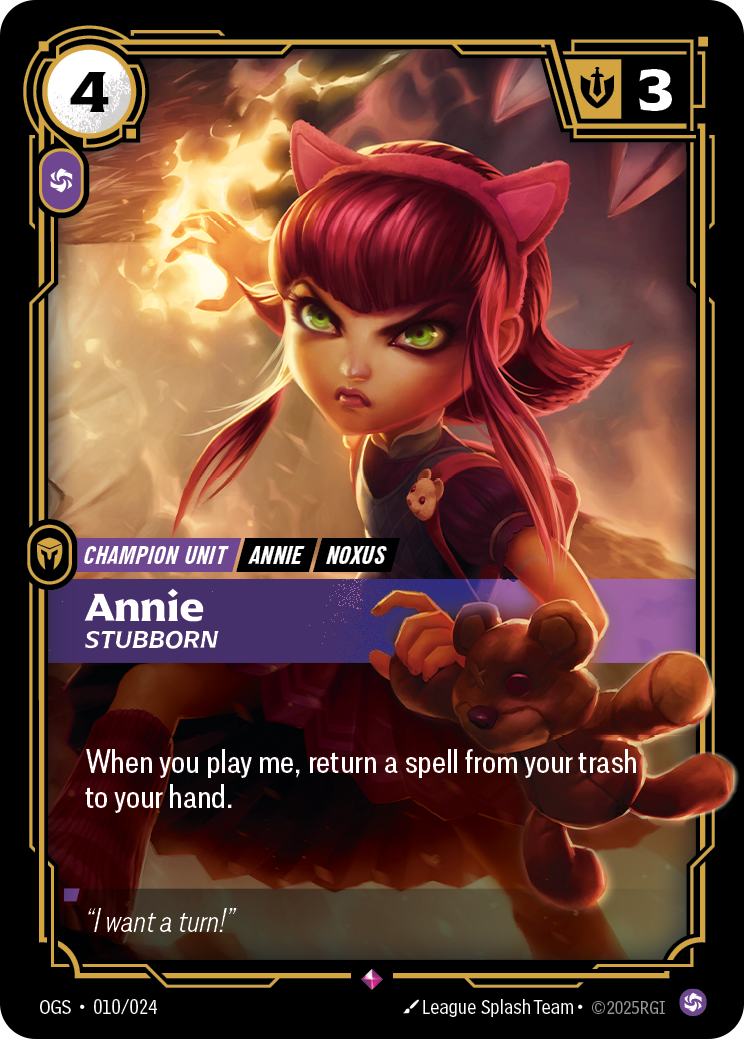
This deck functions as a tempo-oriented midrange strategy that uses Annie's spell recursion to generate card advantage while deploying efficient threats. The core loop involves playing Annie (either Dark Child or Stubborn—they share identical text) to reclaim high-impact spells from your trash, then using those spells to enable your champions to dominate battlefields.
The Legend/Champion synergy revolves around Annie's 4-energy cost making her playable on the same turn as many of your interaction spells. When you play Annie on turn 4, you immediately return a spell like Cleave, Ride the Wind, or Void Seeker to hand, effectively making her a 4-energy 3/1 that draws you a specific card. This creates situations where you can play Annie, reclaim Cleave, then immediately cast Cleave on Darius or Vi to pressure a battlefield with 7+ might.
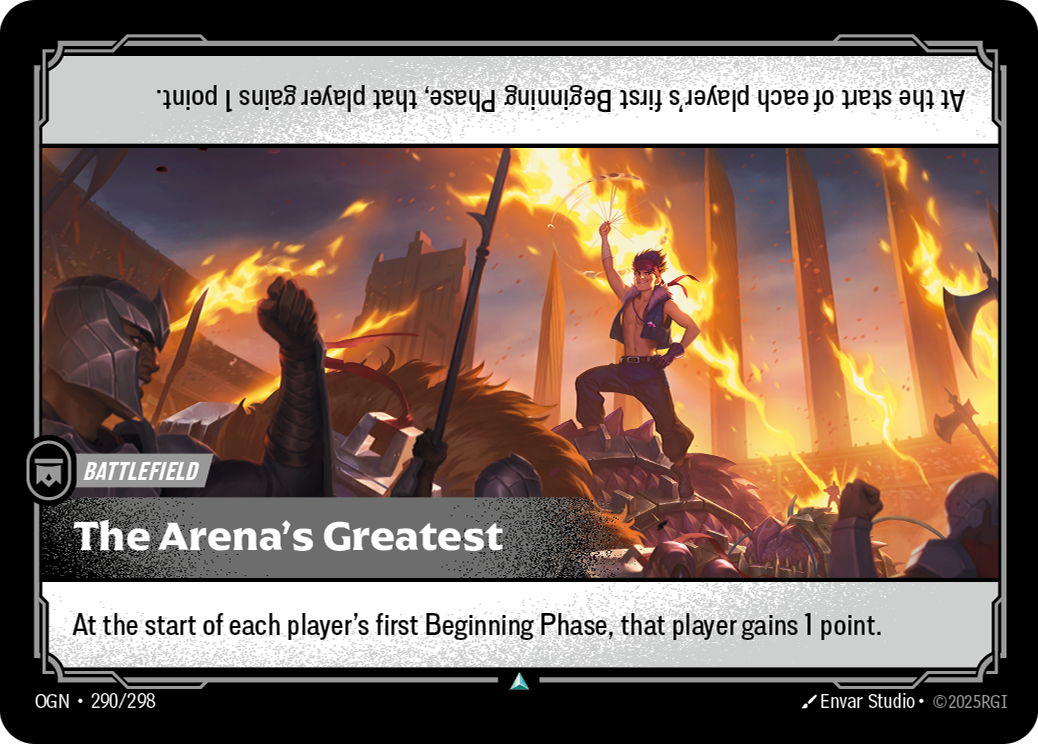
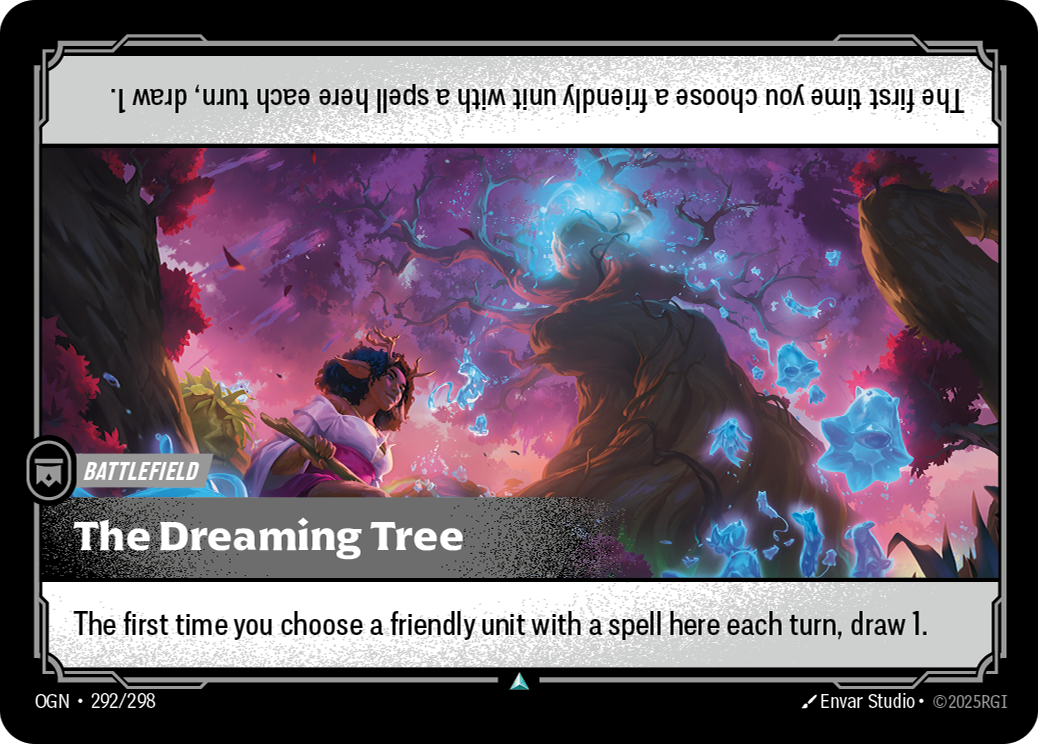
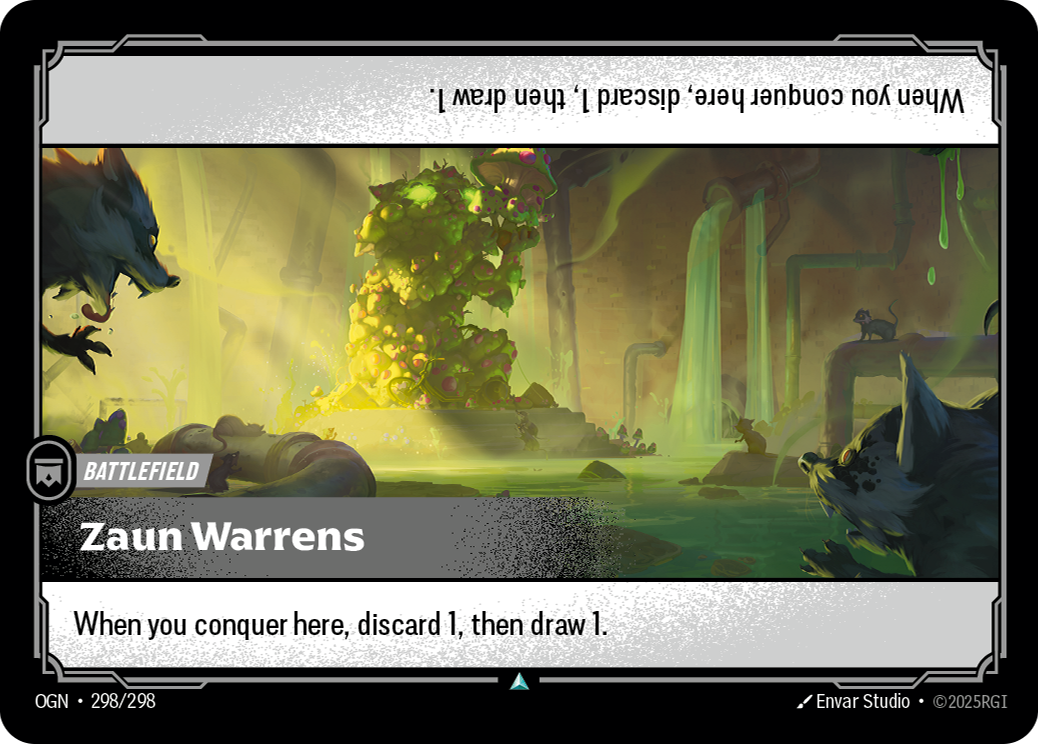
Your win condition centres on conquering two battlefields before your opponent stabilizes. The battlefield selection—The Arena's Greatest, The Dreaming Tree, and Zaun Warrens—all provide incremental advantages that accelerate your gameplan. The Arena's Greatest gives you early points, The Dreaming Tree rewards your self-targeting spells like Cleave and Ride the Wind, and Zaun Warrens converts battlefield conquests into card selection.
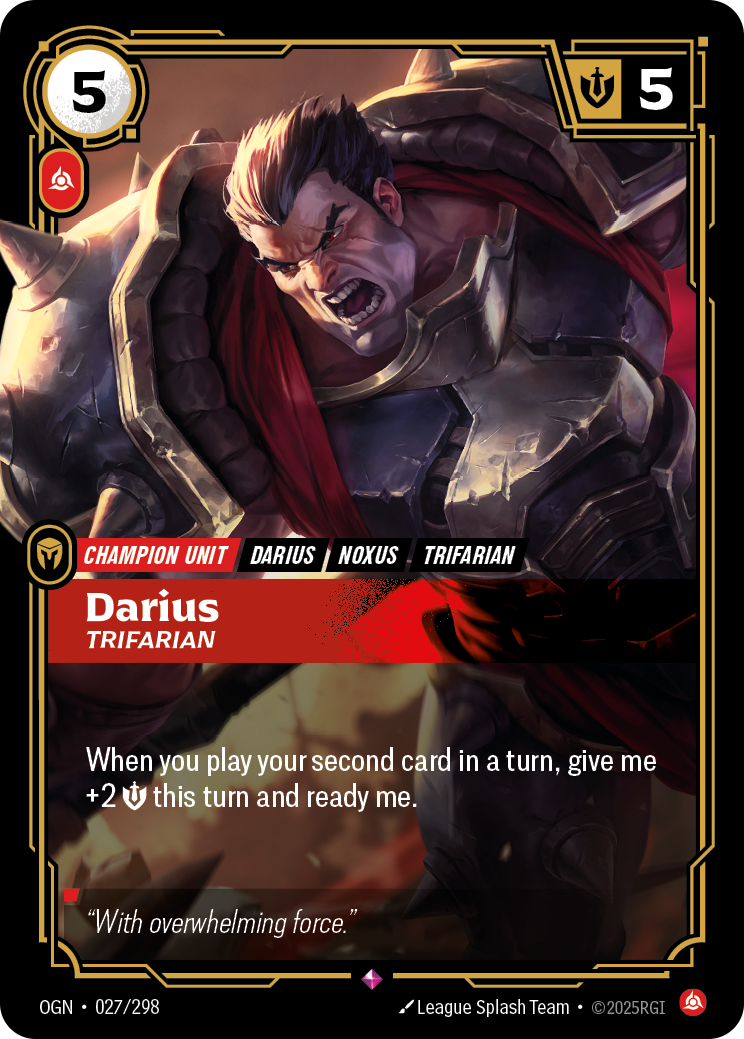
Darius, Trifarian is your primary finisher. His ability triggers when you play your second card in a turn, giving him +2 might and readying him. This means a typical turn 5+ involves playing a cheap spell (Cleave, Ride the Wind, or Flash) followed by Darius, who immediately becomes a 7-might threat that can attack, then potentially attack again if you play another spell. The Fury Runes support this by channeling additional runes when you play mighty units, enabling multi-spell turns.
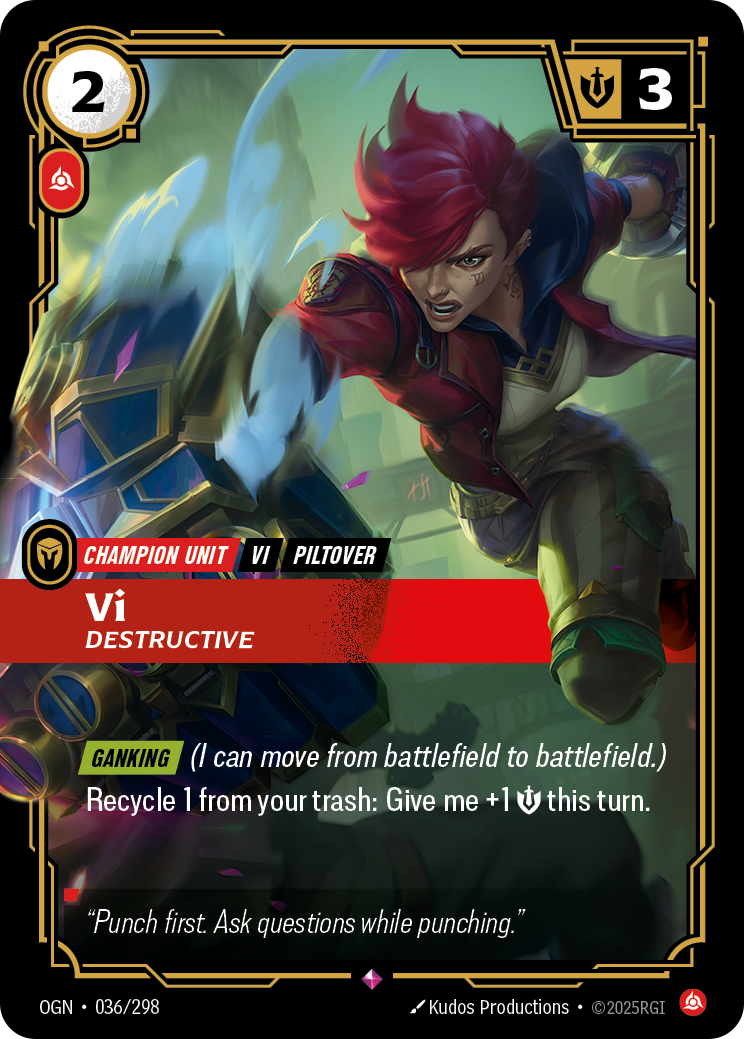
Vi, Destructive provides battlefield flexibility through her Ganking keyword, allowing her to move between battlefields freely. Her Recycle ability turns dead cards into fuel while putting a 3-might body on board for only 2 energy. She's your best turn-2 play when you have excess lands or duplicate spells to recycle.
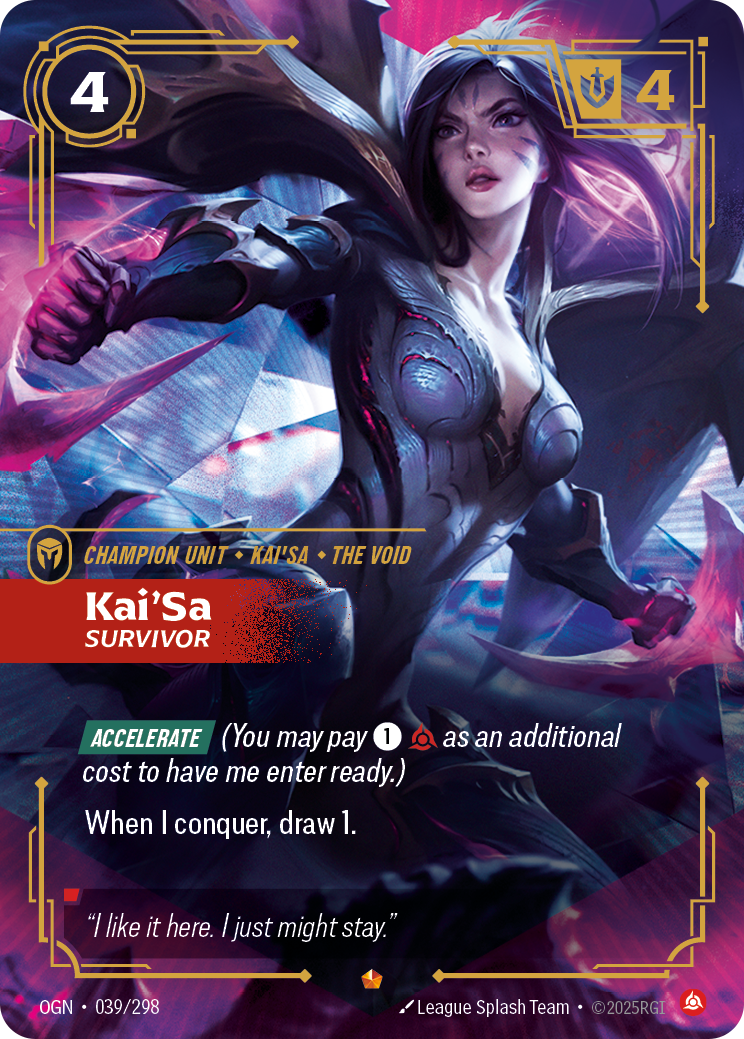
Kai'Sa, Survivor offers an alternative angle with her Accelerate keyword, allowing you to hide her for an additional Fury rune cost. This creates awkward situations for opponents who must respect the threat of a 4-might champion appearing mid-combat. Her base 4/4 statline also trades favourably with most early champions.
The Chaos Runes enable your spell-heavy gameplan by generating Gold gear tokens when you recycle runes. Since many of your spells have low energy costs, you'll frequently recycle runes to cast multiple spells per turn, creating gear tokens that provide additional bodies on battlefields.
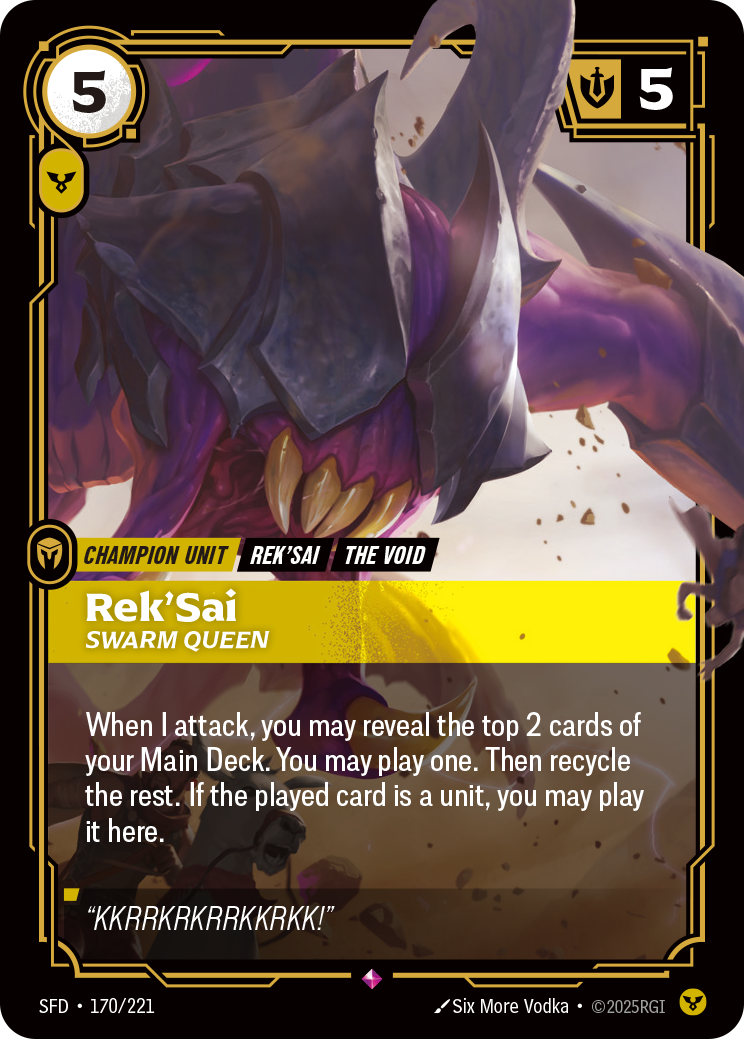
Stacked Deck deserves special mention as your only Order champion. At 5 energy for a 5/5, he's already efficiently statted, but his attack trigger lets you reveal and potentially play the top 2 cards of your deck. This provides explosive turns where you can chain multiple champions or spells together, though the Order rune requirement means you're playing him primarily as a large body rather than a combo piece.
Key Cards Breakdown
These cards form the essential components that make the deck function at a competitive level, each serving specific roles in your tempo-focused gameplan.
Annie, Dark Child / Annie, Stubborn (4 Energy, 3/1)
Your Legend and Champion provide the spell recursion that defines the deck's grind game. Playing Annie on turn 4 or later after you've already cast Cleave or Ride the Wind turns her into a pseudo-tutor that guarantees you have interaction. The 3 might means she can actually pressure battlefields when buffed with Cleave, and the 1 point means she contributes to your win condition even if she dies immediately. Always consider which spell you'll need most in the next 2 turns before playing Annie—Cleave for offense, Void Seeker for removal, or Ride the Wind for flexibility.
Darius, Trifarian (5 Energy, 5/1)
Your primary finisher that converts cheap spells into overwhelming battlefield pressure. The ready effect on his trigger means he can attack twice in one turn if you sequence correctly: play Darius, play a cheap spell to trigger him (he readies and becomes 7 might), attack, then play another spell to ready him again. This creates 14+ might of attacks in a single turn from one champion. His 1 point makes him vulnerable to removal, but the Fury tag means he benefits from your Fury Runes' channel effect.
Vi, Destructive (2 Energy, 3/1)
The most efficient champion in the deck for early battlefield presence. Ganking lets her respond to opponent threats by moving between battlefields, and the Recycle ability turns dead cards into value. Your ideal turn 2 is playing Vi while recycling an excess Fury Rune or duplicate spell. The 3 might trades with most early champions, and the Fury tag again benefits from rune channeling.
Kai'Sa, Survivor (4 Energy, 4/0)
Your most flexible champion that can be played openly or hidden with Accelerate. The 4/4 statline with no points makes her excellent for contesting battlefields without giving your opponent points when she dies. Use Accelerate when you have excess Fury Runes and want to threaten instant-speed pressure, or play her openly when you need an immediate body. She's particularly strong at The Dreaming Tree where her presence forces opponents to commit removal.
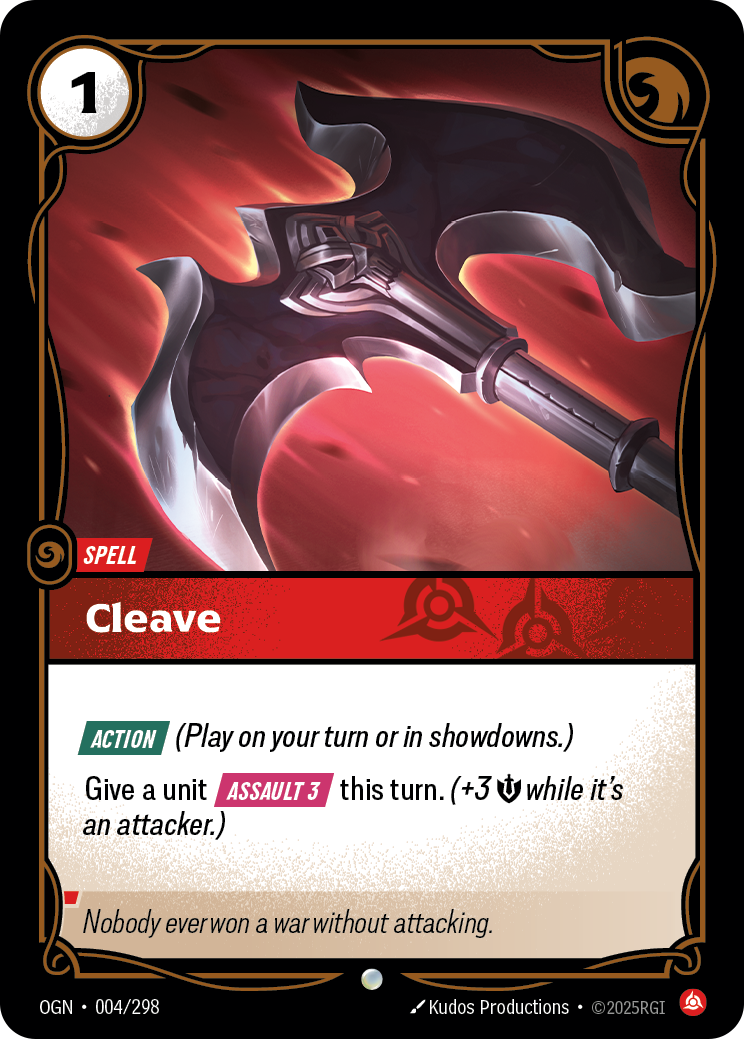
Cleave (1 Energy)
The most important spell in your deck. Giving a unit Assault 3 turns any champion into a serious threat—Vi becomes 6 might, Darius becomes 8 might, even Pouty Poro becomes a 5-might attacker. The 1-energy cost means it's your primary enabler for Darius triggers and it's the spell you'll most frequently reclaim with Annie. Always consider whether using Cleave now or saving it for an Annie recursion provides more value.
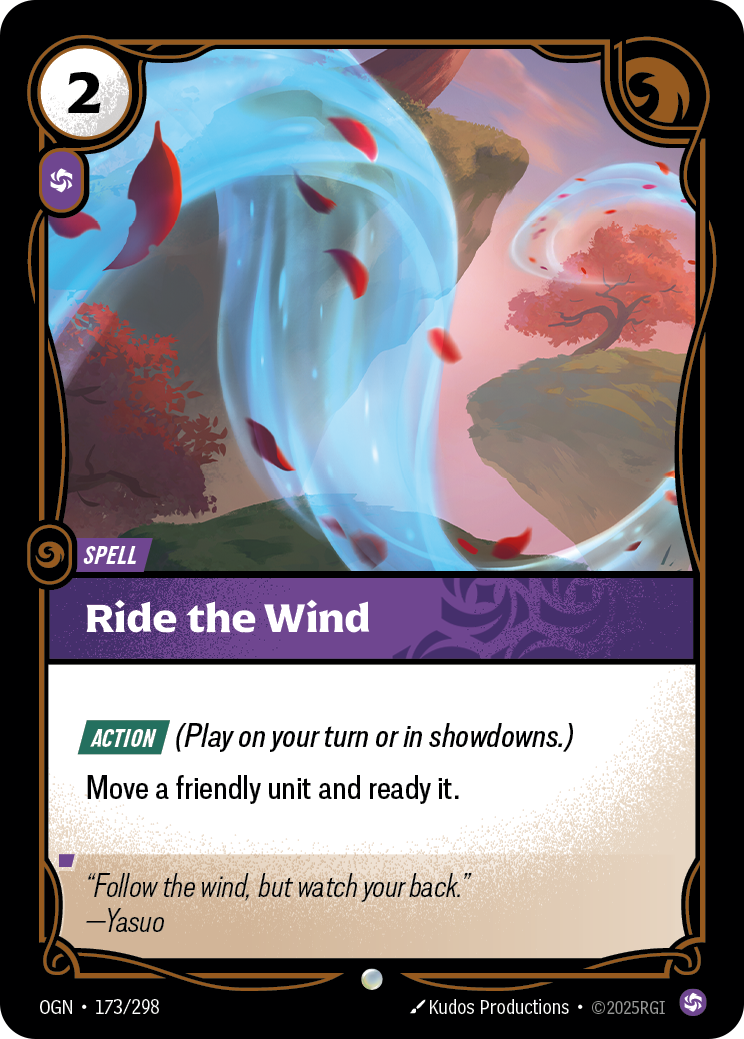
Ride the Wind (2 Energy, 1 Point)
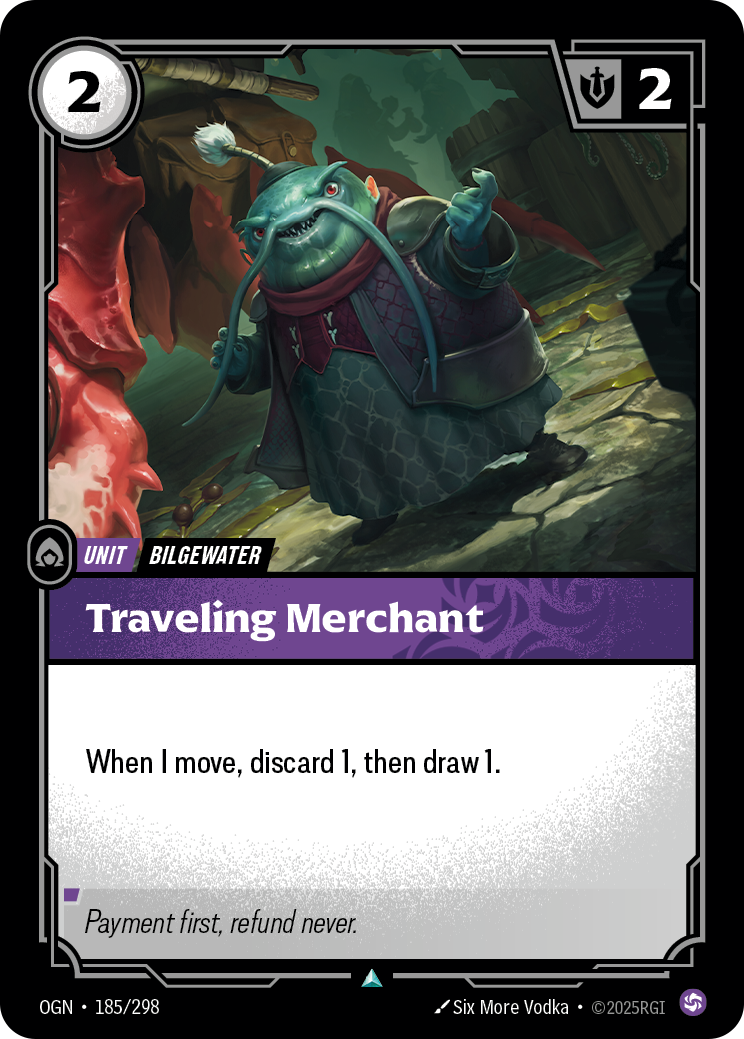
Your most flexible spell that solves multiple problems. Moving a unit lets you: reposition champions to threatened battlefields, enable Traveling Merchant's discard/draw ability, save a unit from removal, or set up favourable attacks. The ready effect means you can move a champion that already attacked to a new battlefield and attack again. The 1 point makes it a legitimate win condition—casting it 3 times contributes meaningfully to your 7-point goal.
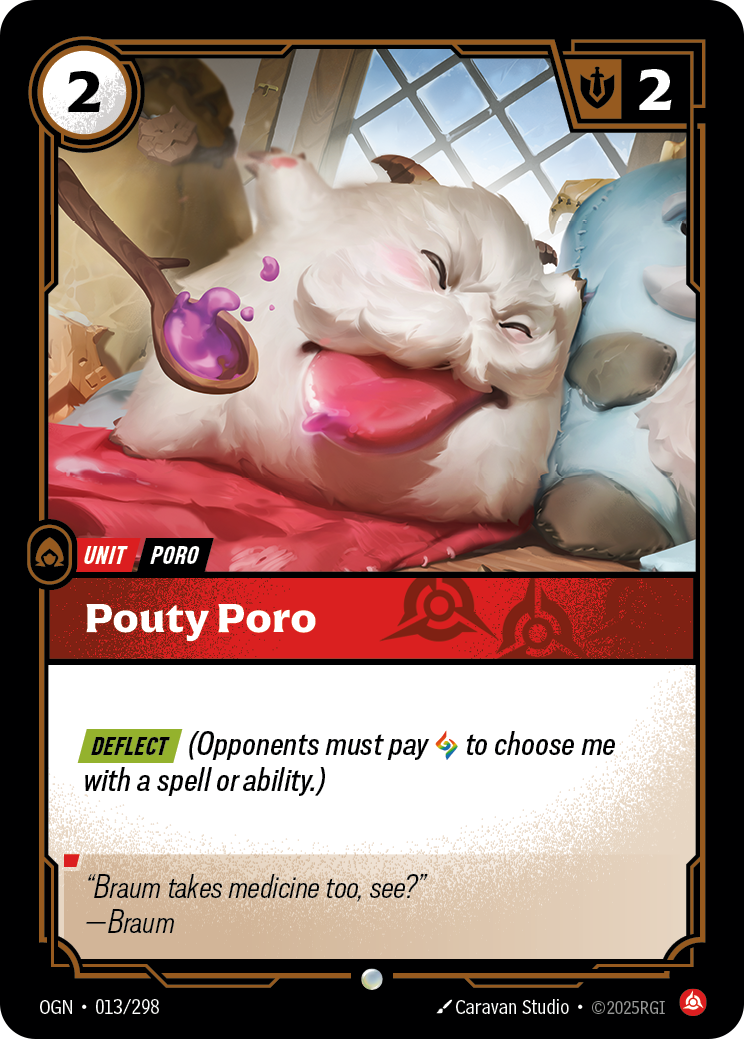
Pouty Poro (2 Energy, 2/2)
Your most resilient early unit thanks to Deflect forcing opponents to pay extra runes to target it with spells or abilities. The 2/2 statline contests early battlefields effectively, and the Fury tag means it benefits from rune channeling. It's your best turn-2 play when you don't have Vi, and it becomes a legitimate threat when buffed with Cleave (5 might with Deflect protection).
Scrapheap (2 Energy)
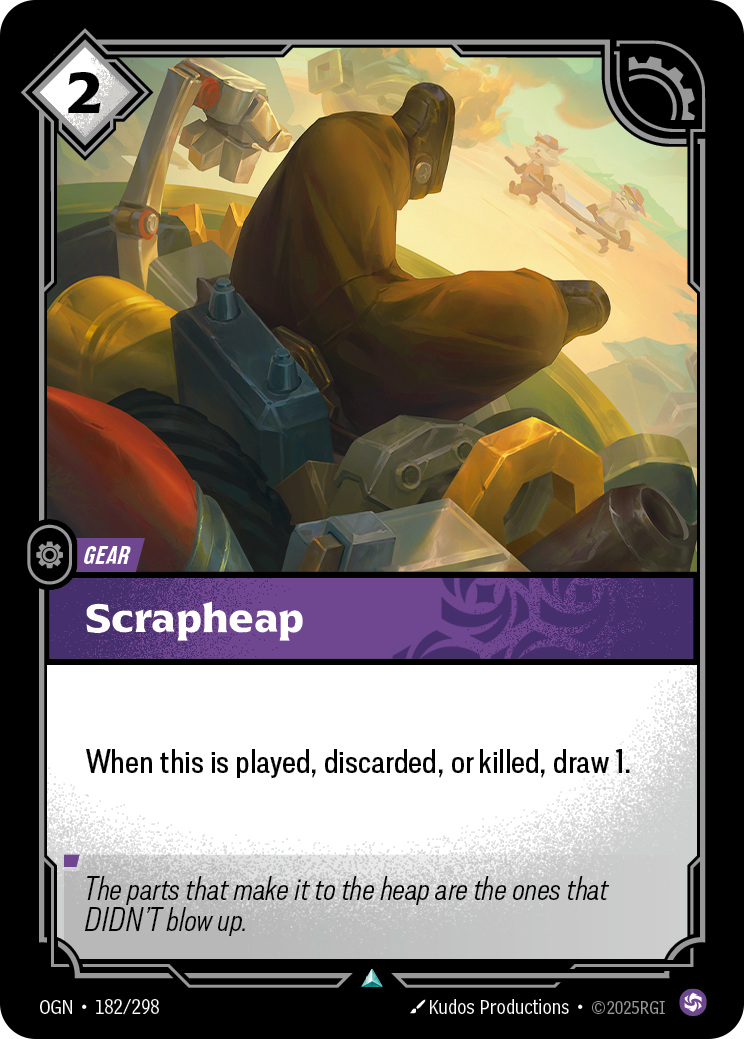
The gear that ensures you never run out of cards. Drawing when played, discarded, or killed means it replaces itself in every scenario. Play it early to enable Traveling Merchant, let it die to draw a card, or discard it to Merchant or Zaun Warrens for value. The Chaos tag synergizes with your Chaos Runes, and the guaranteed card draw makes it better than most 2-energy units in extended games.
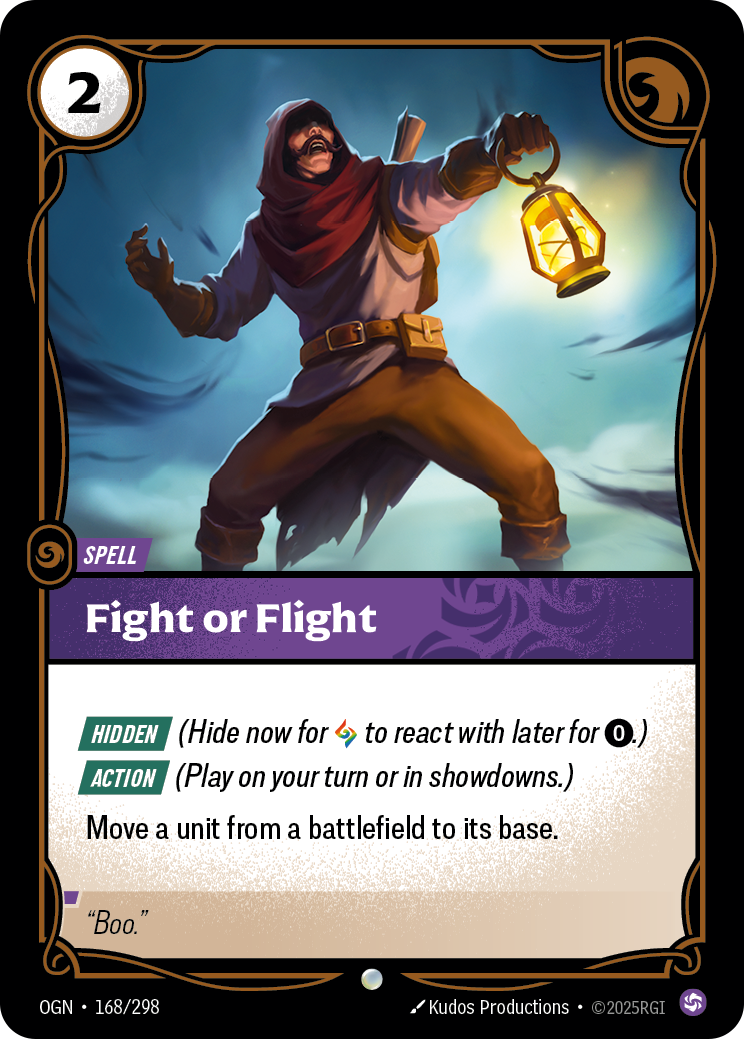
Flash (2 Energy)
Your primary protection spell with Reaction timing. Moving a unit at instant speed saves champions from removal, repositions threats mid-combat, or enables Traveling Merchant triggers on your opponent's turn. The 2-energy cost is steep, but the flexibility of Reaction timing makes it worth the investment in matchups with heavy removal.
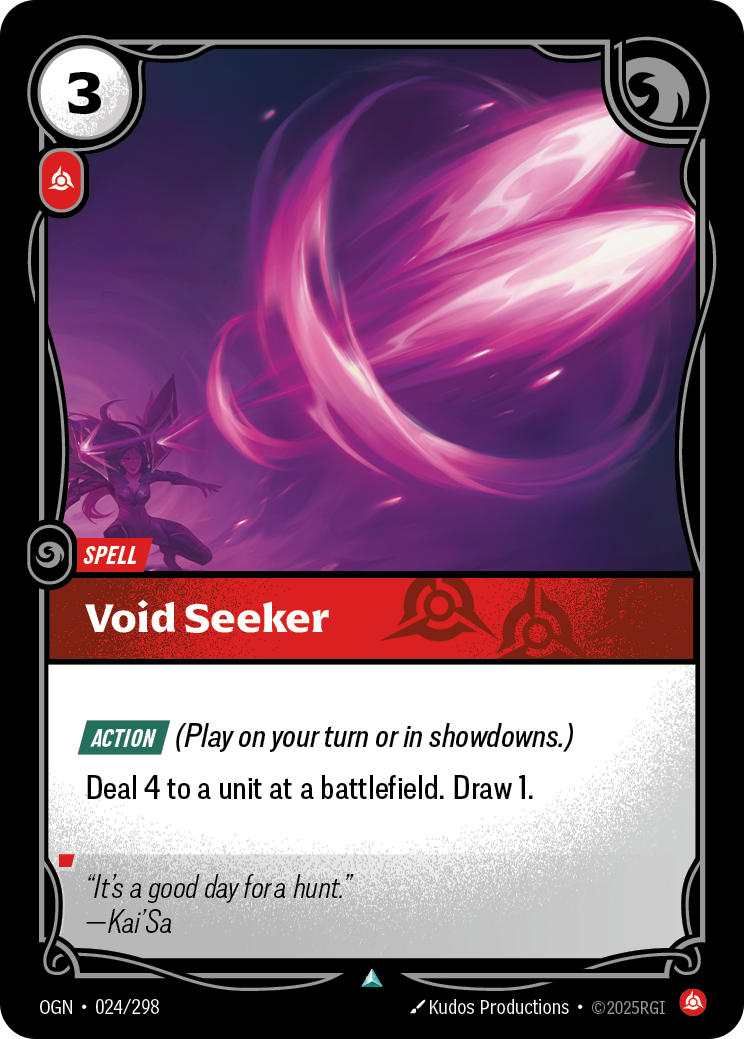
Void Seeker (3 Energy, 1 Point)
Your only direct removal spell that deals 4 damage to a unit at a battlefield. This kills most early champions cleanly and pressures larger threats. The 1 point makes it contribute to your win condition while removing blockers. It's expensive at 3 energy, but the Action timing means you can use it proactively to clear paths for attacks, and it's a premium target for Annie recursion in removal-heavy matchups.
Matchup Analysis
This deck's matchup spread favours aggressive and midrange strategies while struggling against dedicated control decks with extensive removal suites.
Strengths
You dominate other midrange decks through superior spell recursion and champion efficiency. Decks that try to match your battlefield presence card-for-card lose to Annie reclaiming Cleave or Void Seeker repeatedly. Your champion density (15 champions in 39 cards) means you consistently have threats, and your cheap interaction lets you answer opposing champions while developing your own.
Against aggressive strategies, Pouty Poro's Deflect and Vi's Ganking provide excellent defensive tools. The Fury Runes' channel ability lets you cast multiple spells per turn to stabilize, and your champions have enough might to trade favourably with most aggro units. Void Seeker cleanly removes most aggressive champions, and Cleave lets you attack through smaller units.
The deck excels in battlefield races where both players are trying to conquer simultaneously. Your champion mobility (Vi's Ganking, Ride the Wind, Flash) lets you respond to threats across multiple battlefields, and Darius provides explosive turns that can steal battlefield conquests unexpectedly.
Weaknesses
Control decks with extensive removal suites present your worst matchup. Decks running 8+ removal spells can answer your champions one-for-one while generating card advantage through draw spells. Your champions all have 0-1 points, making them vulnerable to efficient removal, and you lack card draw beyond Scrapheap and battlefield abilities.
Combo decks that ignore battlefield presence can outrace you. Your interaction suite is primarily battlefield-focused (Cleave, Void Seeker) with limited disruption for non-battlefield strategies. If your opponent is assembling a win condition that doesn't involve conquering battlefields, you have few tools to interfere.
Your mana base of pure Fury and Chaos Runes creates awkward hands when you draw Stacked Deck early. The Order champion requires an Order rune to play, and you have none in your rune package, meaning Stacked Deck is often a dead card until very late game when you've recycled enough runes to generate rainbow energy.
Sideboard Strategy
The 7-card sideboard provides targeted answers for specific matchups while maintaining your core gameplan.
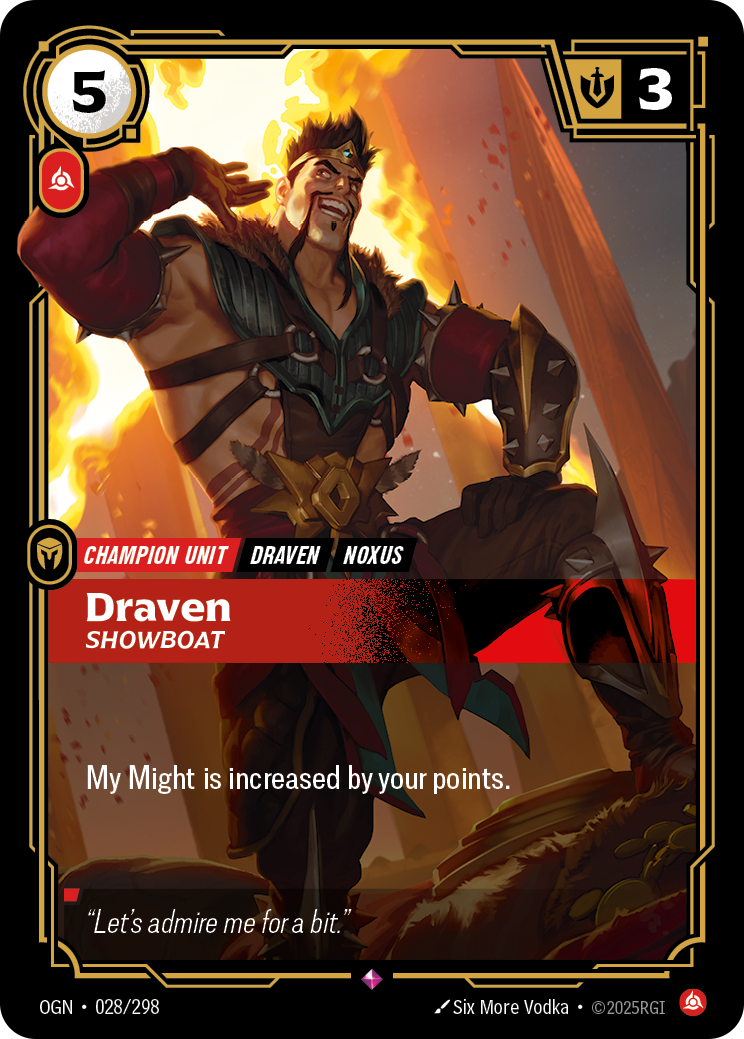
Draven, Showboat (2 copies) comes in against control and midrange matchups where games go long. His might scaling with your points creates a champion that grows increasingly difficult to answer as the game progresses. A 3-might champion at 5 energy is poor, but a 6+ might champion becomes a must-answer threat.
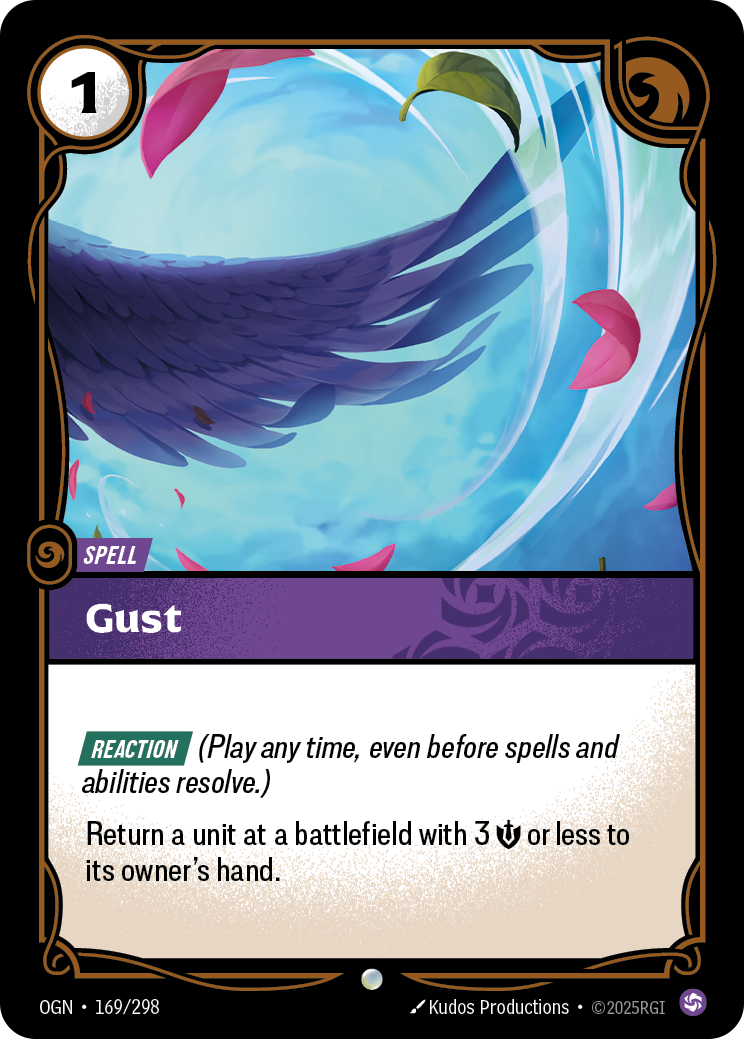
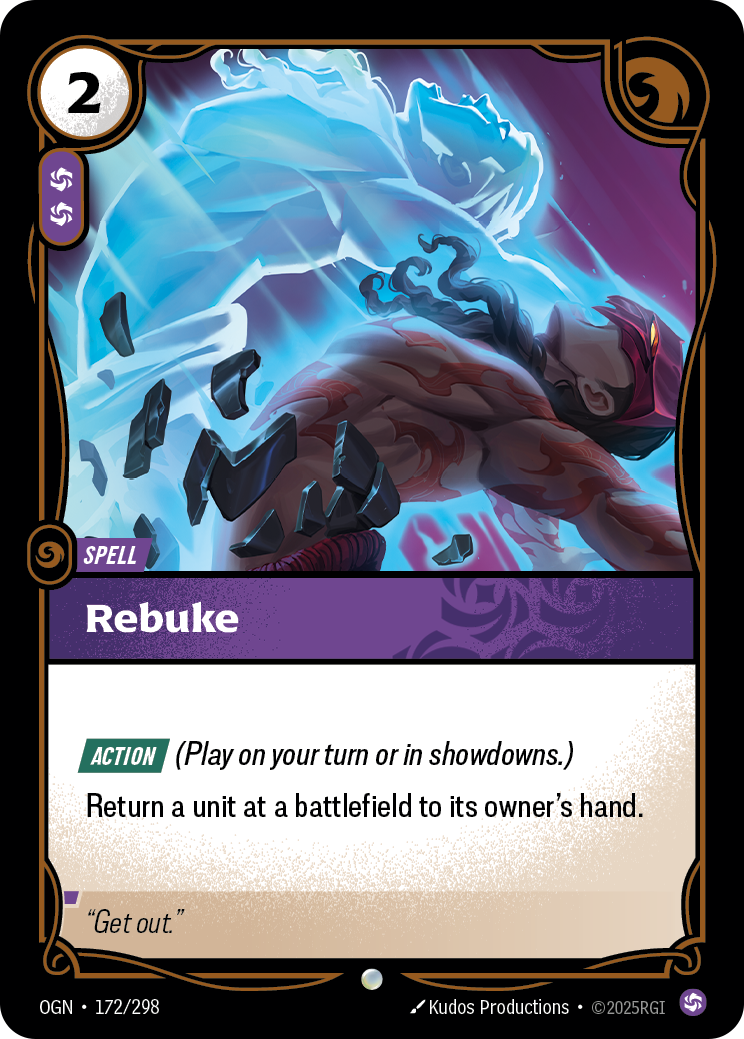
Additional Gust and Rebuke copies (2 each) provide extra interaction against champion-heavy decks. Gust's 1-energy cost makes it extremely efficient for tempo plays, returning an opponent's champion to hand while you maintain battlefield presence. Rebuke costs more but provides a permanent answer by returning units to deck, preventing recursion effects.
The third Void Seeker gives you additional removal against aggressive strategies that flood battlefields with small units. Having 3 copies of your only direct damage spell ensures you can answer multiple threats in matchups where removal density matters more than spell recursion.
Sideboard Guide
Sideboarding with this deck involves adjusting your interaction suite while maintaining champion density, as your core gameplan of pressuring battlefields with efficient champions remains consistent across matchups.
Against Aggressive Decks
Bring in: +1 Void Seeker, +2 Rebuke
Take out: -1 Gust, -2 Fight or Flight
You need maximum removal density to answer their early champions. Fight or Flight is too slow when you're trying to stabilize, and the single Gust is less impactful than permanent removal. The additional Void Seeker gives you 3 copies of direct removal, and Rebuke handles larger threats while preventing recursion.
Against Midrange Decks
Bring in: +2 Draven, Showboat, +2 Gust
Take out: -1 Void Seeker, -3 Pouty Poro
Midrange matchups become resource battles where Draven's scaling provides a threat that outgrows their removal. Pouty Poro's Deflect matters less when opponents are playing champions rather than targeted spells, and you'd rather have additional interaction. Gust's tempo advantage wins battlefield races by returning their champion while yours remains.
Against Control Decks
Bring in: +2 Draven, Showboat, +2 Rebuke
Take out: -3 Cleave, -1 Void Seeker
Control matchups require threats that provide inevitability. Draven grows beyond their removal's efficiency as you accumulate points, and Rebuke answers their win conditions permanently. Cleave is primarily an aggressive tool that's less valuable when you're not racing for battlefield conquests. You're transitioning to a more controlling gameplan where champion quality matters more than combat tricks.
Against Combo Decks
Bring in: +2 Rebuke, +2 Gust
Take out: -3 Cleave, -1 Void Seeker
Combo matchups demand maximum disruption. Rebuke and Gust can target key combo pieces, and the tempo loss from bouncing their setup units can buy you additional turns to win through battlefield conquest. Cleave and Void Se
Buy These Riftbound Singles on Anime Alley
 In Stock
Annie - Dark Child (Starter) (017/024) - Origins Proving Grounds


Looking for more Riftbound singles in Toronto?
Anime Alley ships across Canada with local pickup available in the GTA.
Browse Riftbound Singles on Anime AlleyBuy These Riftbound Singles on Anime Alley
In Stock
Annie - Dark Child (Starter) (017/024) - Origins Proving Grounds
Looking for more Riftbound singles in Toronto?
Anime Alley ships across Canada with local pickup available in the GTA.
Browse Riftbound Singles on Anime AlleyBrowse Singles on Anime Alley
Find the cards mentioned in this guide at competitive Canadian prices with fast shipping.
Shop Now

